How to Propagate Cascara serpentine buckthorn?
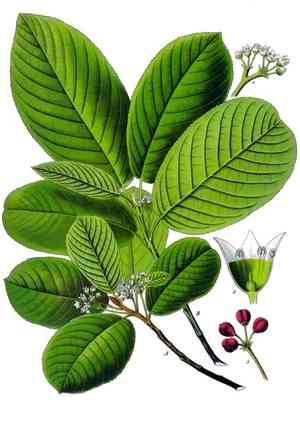
Cascara serpentine buckthorn can be successfully multiplied via cuttings. For optimal root development, select robust, semi-woody stem sections, preferably harvested during periods of vigorous development. Young, pliable stem cuttings can also establish effectively in environments with elevated humidity. Employing a rooting stimulant can potentially boost the rate of establishment and subsequent growth. Meticulous handling and stringent hygiene protocols are crucial to avert the spread of pathogens throughout the cutting procedure.
Optimal Time for Cascara Serpentine Buckthorn Propagation
Propagation Method
Cuttings
Propagation Period
Fall,Winter
Tools Required for Cascara Serpentine Buckthorn Propagation
Sharp Pruning Shears
These are essential for taking healthy cuttings from cascara serpentine buckthorn. Their sharp blades ensure clean cuts, preventing stem tissue damage, which is vital for better root initiation. Always disinfect shears before use to avoid disease transmission.
Rooting Hormone
This product promotes root development on cascara serpentine buckthorn cuttings. Applying rooting hormone to the cut end significantly increases the chances of successful root formation. This is especially important for hardwood cuttings of cascara serpentine buckthorn, which might otherwise struggle to root.
Sterile Potting Mix
A well-draining, sterile potting mix offers an ideal environment for cascara serpentine buckthorn cutting roots to grow. Its sterility helps prevent fungal and bacterial diseases, which can be harmful during the vulnerable stages of root development.
Humidity Dome or Plastic Bags
These create a moist microclimate around cascara serpentine buckthorn cuttings, preventing moisture loss and wilting. Maintaining high humidity is crucial during the initial stages of root development until the cutting can sustain itself.
Heat Mat
Placing a heat mat beneath the propagation tray boosts success by providing a warm rooting environment, essential for stimulating root growth in cascara serpentine buckthorn cuttings, particularly in cooler climates or seasons.
How to Propagate Cascara Serpentine Buckthorn
Propagation Difficulty
Moderately Challenging
Caring for Your Newly Propagated Cascara Serpentine Buckthorn
Caring for Your Newly Propagated Cascara Serpentine Buckthorn
Once roots are established, gradually introduce cascara serpentine buckthorn cuttings to drier conditions by opening the plastic cover or greenhouse for a few hours daily. After 1-2 months, move the cuttings to their permanent spot in a sunny to partially shaded area with well-draining soil. Water consistently to keep the soil moist, especially during dry spells, and apply a balanced, slow-release fertilizer annually to support healthy growth.
Common Errors to Avoid When Propagating Cascara Serpentine Buckthorn
Overwatering
Excessive watering of cascara serpentine buckthorn can lead to root rot, hindering the plant's nutrient absorption. This surplus moisture creates an oxygen-deprived environment around the roots, encouraging harmful fungal growth.
Deep planting
Planting cascara serpentine buckthorn seeds or seedlings too deeply can impede their germination and growth. Deep planting may cause seedlings to deplete their stored energy before reaching the surface, resulting in poor establishment and potential failure.
Neglecting humidity
Ignoring the need for adequate humidity during propagation can cause cascara serpentine buckthorn cuttings to dry out before rooting. This common error often leads to a lower propagation success rate.
Ignoring pre-soaking
Failing to pre-soak cascara serpentine buckthorn seeds can result in poor germination rates. The hard seed coat of cascara serpentine buckthorn requires pre-soaking to soften, allowing the embryo easier access to water and nutrients essential for germination.
Tips for Propagating Cascara Serpentine Buckthorn
Humidity control
Maintain a high humidity environment when propagating cascara serpentine buckthorn from cuttings. Using a humidity dome or placing cuttings in a plastic bag can prevent moisture loss, which is crucial for successful root development.
Softwood cuttings
Utilize softwood cuttings for cascara serpentine buckthorn propagation, as they tend to root more easily and quickly than hardwood cuttings. Ensure these cuttings are taken from healthy, disease-free parent plants to improve success rates.
Seed pre-soaking
Pre-soak cascara serpentine buckthorn seeds for 24 to 48 hours in warm water before planting. This process softens the hard seed coat, enhancing water absorption and significantly improving germination rates.
Well-draining medium
Employ a well-draining propagation medium to prevent waterlogging, which is detrimental to cascara serpentine buckthorn's root health. Mixtures of peat, perlite, and vermiculite are often suitable for facilitating proper drainage and aeration.



