How to Prune Upland swamp privet?
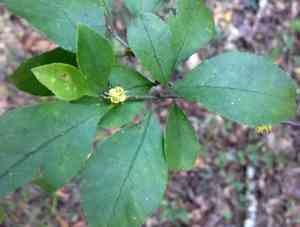
Forest swamp privet is a resilient bush recognized for its thick leaves and ability to thrive in damp conditions. The most effective trimming should occur in early spring prior to the appearance of new shoots. Eliminate any lifeless or compromised limbs to foster robust development and sculpt the plant. Gentle trimming promotes improved air movement and lowers the chance of illness. Concentrate on preserving an airy framework to improve light exposure. Trimming forest swamp privet elevates its aesthetic appeal and strengthens its general health.
What Are the Benefits of Pruning Upland Swamp Privet?
What Are the Benefits of Pruning Upland Swamp Privet?
Upland swamp privet benefits from trimming by keeping a manageable size, promoting strong growth, and ensuring a well-formed, appealing look. Regular trimming helps improve air flow, lower pest and disease risks, and boost flowering or fruiting in this particular plant.
What Is the Best Time for Pruning Upland Swamp Privet?
What Is the Best Time for Pruning Upland Swamp Privet?
Trimming upland swamp privet in early spring is considered ideal as it allows the plant to begin its growth cycle with renewed vigor. This timing ensures that any damaged or unwanted branches are removed before new growth emerges, fostering healthier and more robust development. Additionally, early spring pruning helps avoid disrupting the plant's flowering or fruiting periods, which typically occur later in the season. By aligning the trimming schedule with the plant's natural growth cycle, gardeners can enhance its overall health and appearance.
What Tools Do I Need to Prune Upland Swamp Privet?
Bypass Pruners
Perfect for clean cuts on live branches and stems up to ¾ inch thick. Essential for maintaining the health and look of upland swamp privet.
Lopping Shears
Useful for cutting thicker branches up to 1-1.5 inches in diameter, which helps manage the structure and size of upland swamp privet.
Pruning Saw
Needed for removing larger, woody stems or branches that exceed the capacity of bypass pruners and lopping shears. This tool ensures precise cuts without harming upland swamp privet.
Hand Pruners
Best for detailed trimming and shaping tasks, especially when working with smaller shoots and refining the growth form of upland swamp privet.
Pole Pruner
Allows for easy reach of higher branches without needing a ladder, ensuring safety and efficiency in trimming taller sections of upland swamp privet.
How to Prune Upland Swamp Privet
Identify
Inspect upland swamp privet for diseased leaves, withered leaves, and dead or diseased branches before starting any trimming.
Sanitize
Sanitize trimming tools with a solution of one part bleach to nine parts water to prevent the spread of disease.
Remove diseased leaves
Carefully remove all diseased leaves by cutting them off at the base where they connect to the stem, ensuring no infected material remains.
Trim withered leaves
Trim withered leaves by cutting them back to healthy tissue, making sure to leave a small margin of healthy leaf to avoid damaging the plant.
Cut dead branches
Cut dead branches back to the main stem or a healthy lateral branch, ensuring the cut is clean and at an angle to promote water runoff and prevent rot.
Common Pruning Mistakes with Upland Swamp Privet
Over-pruning
Removing too much foliage at once can stress upland swamp privet and hinder its growth. It can also lead to excessive leaf drop or reduce flowering.
Improper cuts
Making cuts too close to a bud or leaving too long a stub can cause dieback in upland swamp privet or create entry points for disease.
Pruning at an improper angle
Cutting at an incorrect angle can cause water to accumulate on the cut surface, increasing the risk of rot or infection in upland swamp privet.
Not using sharp tools
Using dull tools can make jagged cuts that take longer to heal, potentially causing more harm to upland swamp privet.
Ignoring dead or diseased wood
Failing to remove dead or diseased wood can allow infections to spread throughout upland swamp privet, compromising its health.
Common Pruning Tips for Upland Swamp Privet
Use sharp, clean tools
Always ensure your trimming tools are sharp and clean to make precise cuts and prevent the spread of disease to upland swamp privet.
Make clean cuts
Always cut just above a bud or branch node to encourage healthy new growth in upland swamp privet. This helps minimize dieback and promotes vigorous new shoots.
Disinfect tools between cuts
When trimming diseased branches, disinfect your tools between each cut to prevent the spread of pathogens to other parts of upland swamp privet.
Thinning
Regularly thin out crowded branches of upland swamp privet to improve air circulation and light penetration, which promotes healthier growth and reduces the risk of fungal diseases.
Prune for shape
Trim upland swamp privet to maintain its natural shape, removing any crossed or rubbing branches first. This ensures balanced growth and prevents structural weaknesses.



