How to Propagate Upland swamp privet?
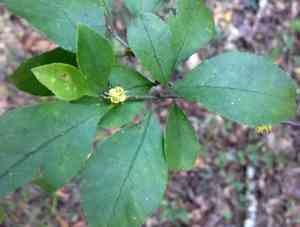
The upland swamp privet, a deciduous shrub, thrives in damp environments. To propagate this plant, semi-hardwood cuttings taken in the latter part of summer are most effective. Cuttings should measure 4-6 inches, be treated with rooting hormone, and then inserted into well-draining, humid soil. Covering them with a plastic dome to preserve moisture will aid in root formation. Rooting can require several weeks, so perseverance is essential.
When Is the Optimal Time to Propagate Upland Swamp Privet?
Propagation Type
Cutting
Propagation Season
Spring,Summer
What Equipment Is Utilized for Upland Swamp Privet Propagation?
Pruning Shears
Crucial for obtaining cuttings from upland swamp privet. Sharp, clean shears facilitate precise cuts, minimizing plant stress and enhancing rooting success.
Rooting Hormone
Aids in stimulating root development in upland swamp privet cuttings. Dip the severed end of the cutting in rooting hormone to boost the likelihood of successful root formation.
Propagation Trays
Employed to hold upland swamp privet cuttings during the rooting phase. These trays keep cuttings organized and offer a controlled setting for initial development.
Seedling Heat Mat
Delivers consistent warmth from below, which helps maintain an ideal temperature for root growth in upland swamp privet cuttings.
Misting System
Ensures consistent moisture levels around upland swamp privet cuttings, vital for preventing dehydration and promoting successful rooting.
Humidity Dome
Maintains high humidity around upland swamp privet cuttings, crucial for preventing desiccation while encouraging root development.
Sterilized Potting Mix
Offers a clean, nutrient-rich substrate for upland swamp privet cuttings to establish roots. Sterilization helps ward off disease and fungal infections.
How to Propagate Upland Swamp Privet?
Propagation Type
Moderately Difficult
How to Nurture Your Newly Propagated Upland Swamp Privet?
How to Nurture Your Newly Propagated Upland Swamp Privet?
Following successful propagation, ensure young upland swamp privet plants receive consistent moisture, especially during dry spells. They flourish in full to partial sun and prefer well-draining yet moisture-retentive soils. Applying mulch around the base will help retain soil moisture and regulate temperature. Prune to maintain desired shape and remove any damaged or crossing branches. Regularly inspect for pests or diseases and treat as needed to keep the plant healthy and robust.
Common Errors to Avoid When Propagating Upland Swamp Privet
Insufficient Drainage
Using poorly draining soil can lead to root rot, which is particularly harmful to upland swamp privet's growth. Ensuring proper drainage is essential to prevent waterlogged conditions.
Overwatering
Excessive watering can cause water stress and root diseases in upland swamp privet. It is important to allow the soil to dry out slightly between waterings.
Incorrect Soil Type
Utilizing the wrong soil type can impede root establishment and growth. Upland swamp privet prefers a sandy or loamy soil with good aeration.
Inadequate Light
Placing upland swamp privet in insufficient light can hinder its growth and reduce its vitality. It requires a certain amount of light to thrive, even though it may tolerate partial shade.
Improper Cutting Techniques
Using dull tools or incorrect cutting methods can damage upland swamp privet's stems, decreasing the chances of successful propagation.
Advice for Propagating Upland Swamp Privet
Well-Draining Soil
Employ a soil mix that ensures good drainage, such as a blend of sand and loam, to prevent root rot and promote healthy growth in upland swamp privet.
Moderate Watering
Water upland swamp privet moderately, allowing the top inch of soil to dry out between waterings to prevent water stress and root diseases.
Adequate Light
Provide upland swamp privet with ample light, ideally in a location where it can receive partial to full sunlight, to support vigorous growth.
Sharp, Clean Tools
Use sharp, sterilized tools for taking cuttings to ensure clean cuts and to minimize the risk of stem damage or infections.
Careful Handling of Cuttings
Handle cuttings with care and plant them immediately in appropriate growing medium to increase the chances of successful rooting.



