How to Prune Tropical fimbry?
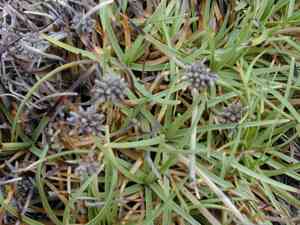
A herbaceous perennial characterized by its clumped, sedge-like habit, Fimbristylis dichotoma benefits from trimming to preserve its shape and vitality. Cut away any deceased or discolored leaves, and detach faded seed structures to stimulate fresh development, ideally in early spring or during the winter period, aligning with its inactive phase. Consistent removal of withered sections deters self-propagation and aggressive spreading. This maintenance practice guarantees a neat look, revitalizes Fimbristylis dichotoma, and limits its expansion in cultivated environments.
What Are the Benefits of Pruning Tropical Fimbry?
What Are the Benefits of Pruning Tropical Fimbry?
Trimming tropical fimbry promotes vigorous development and maintains its desired shape, ensuring the plant stays visually appealing and thriving.
What Is the Best Time for Pruning Tropical Fimbry?
What Is the Best Time for Pruning Tropical Fimbry?
Pruning in early spring allows tropical fimbry to recover quickly, as this is typically just before the start of the growing season when the plant is emerging from dormancy. This timing provides tropical fimbry the chance to heal from cuts and produce new growth as temperatures rise. Winter pruning is also advantageous for tropical fimbry because plants are inactive during this period. This dormancy means that cutting back the plants will result in less stress and minimize sap loss, which helps maintain the plantâs health and vitality. Furthermore, without leaves, it is easier to observe the structure of tropical fimbry in winter, enabling more strategic pruning. Avoid pruning during blooming or fruiting periods as it may hinder the plant's ability to thrive during its growth cycle.
What Tools Do I Need to Prune Tropical Fimbry?
Hand Pruners
These are perfect for trimming and shaping tropical fimbry, allowing for precise cuts on smaller stems without causing unnecessary harm to the plant.
Garden Shears
Suitable for quickly trimming grass-like foliage of tropical fimbry, ensuring a tidy appearance and removal of any brown or damaged leaves.
Sharpened Blade or Knife
Sometimes detailed work is necessary for tropical fimbry; a clean, sharp blade can be used for thinning or dividing clumps without fraying the ends of the cuts.
Gloves
Due to the delicate nature of tropical fimbry, wearing gloves can protect the gardenerâs hands from moisture and any sharp edges of the plant's foliage during the pruning process.
How to Prune Tropical Fimbry
Identify affected parts
Inspect tropical fimbry thoroughly to locate diseased and withered leaves, which are the targets for pruning.
Disinfect tools
Before starting, sanitize all pruning tools with a solution of one part bleach to nine parts water to prevent disease transmission.
Remove diseased leaves
Using sharp, clean scissors or pruners, carefully cut away diseased leaves at their base where they meet the stem or the next healthy leaf. Ensure cuts are clean and avoid tearing plant tissue.
Trim withered leaves
Repeat the cutting process for withered leaves, removing them at their base to encourage healthy growth and improve air circulation among the remaining foliage of tropical fimbry.
Cleanup
Dispose of all removed material away from healthy plants to prevent any potential spread of disease and clean all tools after completion.
Common Pruning Mistakes with Tropical Fimbry
Over pruning
Removing too much foliage from tropical fimbry can stress the plant, reducing its vigor and resilience. Aim to prune no more than one-third of the plant at a time.
Improper cut location
Cutting tropical fimbry too far from nodes (points where leaves emerge) may lead to dieback and disease. Make cuts close to, but not right at, the nodes to promote healthy regrowth.
Dull tools
Using dull pruning tools can result in jagged cuts that may harm tropical fimbry, making it more susceptible to disease and pest damage. Always use sharp, clean tools.
Random cutting
Indiscriminate cutting without understanding the growth habit of tropical fimbry can lead to uneven growth and reduced flowering. Follow the plant's natural shape when pruning.
Common Pruning Tips for Tropical Fimbry
Clean tools
Before and after pruning tropical fimbry, ensure tools are clean to prevent the spread of pests and diseases. Use a solution of bleach and water or rubbing alcohol for sterilization.
Prune basal growth
Tropical fimbry benefits from pruning the basal growth to encourage air circulation and reduce the likelihood of fungal diseases. Trim the lower leaves that are close to the soil.
Pinch tips
To promote bushier growth and more flowering in tropical fimbry, pinch back the tips of the plant during its active growth phase.
Remove dead or damaged
Regularly inspect tropical fimbry for dead, damaged, or diseased foliage and stems, and prune these out promptly to maintain plant health and appearance.



