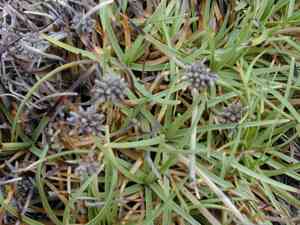
Tropical fimbry (Fimbristylis cymosa)
Also known as: Hurricanegrass
Tropical fimbry, originally found in coastal and atoll regions worldwide, has recently been identified as spreading its range into Texas. In this new environment, it poses a threat to native plants by overtaking their habitats and reducing local biodiversity.
In This Article
Attributes of Tropical fimbry
Lifespan
Perennial
Plant Type
Grass
Plant Height
25 cm to 80 cm
Spread
10 cm to 20 cm
Leaf Color
Green
Flower Size
5 mm to 1 cm
Flower Color
Brown
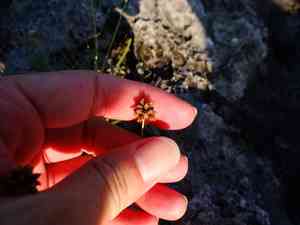
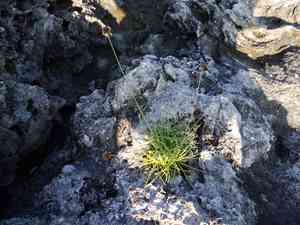
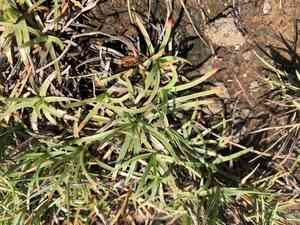
Images of Tropical fimbry
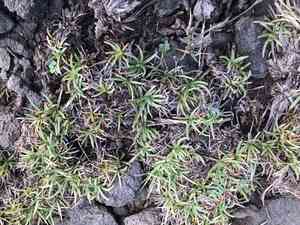
Quickly Identify Tropical fimbry
1
Fimbristylis cymosa can be identified by its slender, wiry stems and small, clustered spikelets. The plant\'s leaves are often reduced to basal sheaths.
Scientific Classification of Tropical fimbry
Phylum
Vascular plants
Class
Monocotyledons
Order
Poales
Family
Sedge
Genus
Fimbry
Species
Tropical fimbry
Planting and Growing of Tropical fimbry
Care Difficulty
Easy
Watering Schedule
Every 4 days
Sunlight Requirements
Full sun
Sunshine Duration
4-6 hours
Ideal Temperature
68-86℉
Soil Type
Potting Mix, Peat Mix
Soil pH
6.5-7.5
Fertilizer Type
Balanced
Pruning Season
Spring, Summer
Pruning Area
Branches, Leaves
Pruning Frequency
Once a year
Repotting Season
Spring
Pot Type
Ceramic, Plastic
 How to Water Tropical fimbry?
For Fimbristylis cymosa, ensuring the soil is moist yet never waterlogged is key. Aim to provide around 200 ml of water per session, making sure the top 2-3 inches of soil are adequately soaked without standing water at the base.
What are the symptoms of an underwatered Tropical fimbry?
›
What should I do if my Tropical fimbry is not getting enough water?
›
What are the symptoms of an overwatered Tropical fimbry?
›
How to save an overwatered Tropical fimbry?
›
 What Are the Sunlight Requirements for Tropical fimbry?
Fimbristylis cymosa favors full sun but can tolerate partial sun. Access to ample sunlight ensures vigorous growth, robust stem structure, and enhances its visual appeal.
What is the best lighting condition for Fimbristylis cymosa?
›
How can one ensure ideal lighting for Fimbristylis cymosa?
›
What are the benefits of providing ideal lighting to Fimbristylis cymosa?
›
 What Is the Ideal Temperature Range for Tropical fimbry?
Ideally, Fimbristylis cymosa thrives in temperatures between 68°F to 86°F. This range provides optimal conditions for its growth and overall health. Maintaining temperatures within this range can help ensure the plant receives the warmth it needs while avoiding the stress associated with temperature extremes.
 What Soil is Best for Tropical fimbry?
Fimbristylis cymosa thrives in well-drained soils, preventing root waterlogging and ensuring oxygen availability. This promotes healthy root growth and robust plant structure, crucial for the plant’s vigor. The plant prefers soil enriched with organic matter, which offers a continuous supply of nutrients. This nourishment is vital for the plant’s optimal growth, enhancing its resilience to environmental stresses. A balance in moisture is key, ensuring the soil retains enough hydration without becoming soggy. This balance helps the plant remain hydrated and prevents issues related to drought or excess water.
 How to Fertilize Tropical fimbry?
For Fimbristylis cymosa, it's vital to use a balanced fertilizer with a 10-10-10 formula applied at a diluted rate of 1/4 teaspoon per gallon of water, ensuring that the nutrients are provided without overwhelming the plant's ability to process them.
 How to Prune Tropical fimbry?
Start by inspecting the plant for any signs of dead or dying leaves. These are usually brown or yellow and should be removed to promote the plant's health and appearance. Focus on trimming excess growth to maintain the plant's natural tufted shape. Use sharp scissors or pruners to make clean cuts, ensuring an even and aesthetic appearance. After the plant flowers, cut back the flower stalks to the base. This not only tidies the plant but also encourages new growth by redirecting energy from seed production.
More About Pruning Techniques→
 How to Propagate Tropical fimbry plant?
1
Collect mature seeds from the plant and store them in a cool, dry place. Before planting, soak the seeds in water for 24 hours to improve germination rates.
2
Prepare a well-draining soil mix and fill it in pots or seed trays. The soil should be slightly moist but not waterlogged to promote healthy root development.
3
Sow the seeds evenly on the soil surface and cover lightly with a thin layer of soil. Keep the soil moist and place the pots in a location with bright, indirect light. Once the seedlings are strong enough, transplant them to their permanent location.
 How to Repot Tropical fimbry plant?
1
Repotting Fimbristylis cymosa is necessary when you notice roots coming out of the drainage holes. Another clear signal is when the soil dries out faster than usual, indicating that the root system has outgrown its current space. Ideally, repotting should be done during the active growth period in spring or early summer, ensuring the plant has ample time to recover and establish itself well in its new environment.
2
Select a pot that is just a size larger than the current one. This ensures that the roots have enough room to expand without the risk of excess soil retaining too much moisture, which could cause root rot. A pot with good drainage is crucial to prevent waterlogging, promoting healthier root development and overall plant growth.
3
Opt for a well-draining sandy soil mix to replicate the plant’s natural habitat. This type of soil mix provides essential aeration while retaining enough moisture to sustain the plant, preventing root rot and ensuring a solid foundation for the plant's development. Such soil not only supports healthy root growth but also aids in nutrient uptake.



