How to Prune Sacred fig?
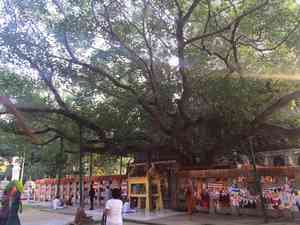
This esteemed tree, recognized by its cordate foliage and sturdy build, greatly benefits from judicious pruning. Schedule the trimming of sacred fig for late winter, concentrating on excising any lifeless, injured, or ailing limbs. Periodically reducing the density of the crown fosters vigorous development and boosts air movement. Exercise caution to prevent over-pruning, as this can negatively impact the thick leaf cover that is a defining characteristic of sacred fig. Consistent trimming improves the tree's visual appeal and guarantees its extended lifespan.
What Are the Benefits of Pruning Sacred Fig?
What Are the Benefits of Pruning Sacred Fig?
Trimming sacred fig encourages robust development by reallocating energy to new shoots and preserving its desired form, crucial for both visual appeal and space management in gardens.
What Is the Best Time for Pruning Sacred Fig?
What Is the Best Time for Pruning Sacred Fig?
Winter is considered the ideal period for pruning sacred fig as it typically enters a dormant state. The cooler temperatures and reduced daylight hours slow down the plant's growth cycle. Pruning in winter minimizes stress on sacred fig, as less energy is required for growth, flowering, or fruiting. Additionally, the absence of leaves at this time offers better visibility for pruning, ensuring more precise cuts and effective shaping. Pruning during dormancy also helps prevent the spread of pests and diseases that are more active in warmer seasons. Consequently, winter pruning supports the health of sacred fig and prepares it for vigorous growth in the spring.
What Tools Do I Need to Prune Sacred Fig?
Hand pruners
Suitable for cutting small branches (up to 3/4 inch) on sacred fig, allowing for precise trimming of twigs and foliage.
Lopping shears
Perfect for cutting medium-sized branches (up to 1 1/2 inches) of sacred fig, offering increased leverage with their extended handles.
Pruning saw
Utilized for cutting larger branches (over 1 1/2 inches) of sacred fig, which are too thick for hand pruners or lopping shears.
Pole pruner
Enables reaching higher branches of sacred fig without a ladder, ensuring safety and efficiency from the ground.
Gardening gloves
Protect the gardener's hands from the irritating sap of sacred fig.
Rubbing alcohol or disinfectant
To sanitize the blades of pruning tools, preventing the transmission of disease between cuts on sacred fig.
Step-by-step guidance
Sanitize tools before use, begin by removing dead or diseased branches, then shape sacred fig, ensuring clean cuts at a 45-degree angle to promote healing.
How to Prune Sacred Fig
Step1: Inspect for Debris and Disease
Examine sacred fig thoroughly to locate dead wood, diseased limbs, and broken branches for removal. This will inform the extent and specifics of the required pruning.
Step2: Tool Sterilization
Sanitize your pruning tools with rubbing alcohol or a 10% bleach solution to prevent disease spread.
Step3: Dead Wood Removal
Start by removing all dead wood. Make clean cuts just outside the branch collar, the swollen tissue at the base of a branch.
Step4: Cutting Back Diseased Limbs
Trim diseased limbs by cutting several inches into healthy wood beyond the affected areas. This prevents disease from spreading to healthy parts of sacred fig.
Step5: Trimming Broken Branches
Cleanly trim broken branches, cutting just above a lateral branch or bud, or if necessary, remove the entire branch at the branch collar. This encourages healthy growth and tree structure.
Step6: Structural Assessment for Canopy Shaping
After removing dead, diseased, and broken branches, assess sacred fig's structure for shaping. Aim for an open, balanced canopy that allows light and air to reach the tree's interior.
Step7: Thinning Overcrowded Branches
If needed, thin out overcrowded branches by removing some at their origin to improve light penetration and reduce disease risk.
Step8: Angle Cuts for Water Runoff
Make all cuts at a 45-degree angle to prevent water accumulation, which can cause rot and disease, and to promote rapid healing.
Step9: Debris Clearance
Clear all removed material from around the base of sacred fig to prevent potential disease or pest infestations.
Step10: Diseased Material Disposal
Properly dispose of diseased and dead plant material, not in your compost, to avoid spreading pathogens.
Step11: Moderation in Pruning
Avoid heavy pruning of sacred fig as this can stress the tree. Generally, do not remove more than 25% of the foliage in one growing season.
Step12: Post-Pruning Hydration
Water the base of sacred fig after pruning to reduce stress and provide hydration for recovery.
Step13: Observation for Stress and Disease
Monitor the tree for signs of stress or disease in the following weeks and months, and respond with appropriate care and possible additional pruning if necessary.
Post-Pruning Care for Sacred Fig
Post-Pruning Care for Sacred Fig
Immediately after pruning sacred fig, clean the cuts to prevent infection. Ensure it receives indirect sunlight to reduce stress, maintaining consistent humidity and temperature. Avoid direct, intense light. Begin a fertilization regime a month post-pruning with balanced nutrients to aid recovery. Monitor for wilting or discoloration, indicating stress or disease. If symptoms persist, consult a horticulturist. Regular observation encourages prompt action and ensures sacred fig's healthy regrowth.
Common Pruning Mistakes with Sacred Fig
Avoid excessive foliage removal to prevent plant stress
Over-pruning or removing too much of sacred fig's foliage at once, which can stress the plant and lead to reduced vigor or disease susceptibility.
Use sharp and clean tools to avoid jagged cuts and infections
Using dull or dirty pruning tools, resulting in jagged cuts and potential infections in sacred fig.
Understand growth patterns to maintain plant structure during pruning
Pruning indiscriminately without understanding the growth patterns of sacred fig, which can result in an unbalanced shape and hinder the plant's natural structure.
Make clean cuts to aid healing and reduce pest risks
Tearing or ripping branches instead of making clean cuts, hurting sacred fig's ability to heal properly and increasing the risk of pests.
Remove diseased or dead branches to promote healthy growth
Neglecting to remove diseased or dead material, which can impede sacred fig's growth and allow issues to spread.
Common Pruning Tips for Sacred Fig
Use sterilized shears for clean cuts and disease prevention
Use sharp and sterilized pruning shears to make clean cuts on sacred fig, which help prevent disease transmission and encourage faster healing.
Prioritize removing dead or diseased branches for plant health
Focus on removing dead, diseased, or damaged branches first to promote sacred fig's health and vigorous growth.
Prune according to natural shape directing new growth
Prune to maintain the natural form of sacred fig, cutting back to a lateral branch or bud that points in the direction you want new growth to follow.
Thin overgrown areas to improve light and air circulation
When thinning overgrown areas, selectively remove some branches back to their point of origin to improve sunlight penetration and air circulation in sacred fig's canopy.
Prune above nodes to encourage healthy branching
Make pruning cuts just above a node or swelling where a leaf was attached to promote healthy branching in sacred fig.
Avoid leaving stubs to prevent decay and pest issues
Avoid leaving stubs when pruning sacred fig, as this can lead to decay and invite pests and diseases.



