
Sacred fig (Ficus religiosa)
Also known as: Bo tree, Peepal tree
The Bodhi tree, also known as Ficus religiosa, holds sacred significance in Buddhism, Jainism, and Hinduism. While it belongs to the mulberry family, contact with its sap can lead to skin irritations.
Attributes of Sacred fig
Images of Sacred fig
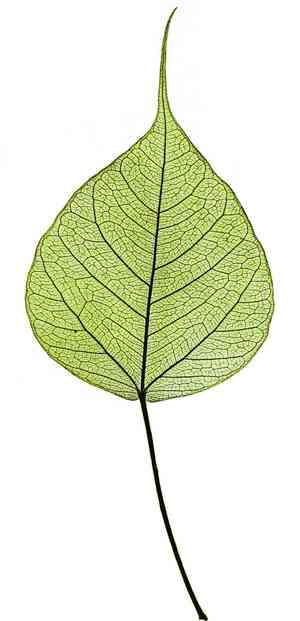
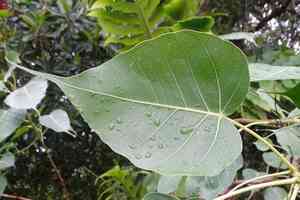
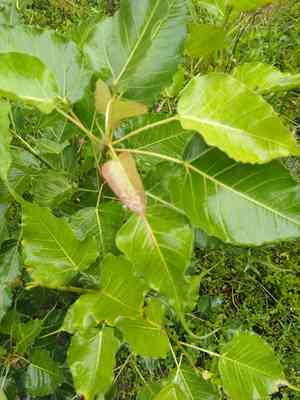
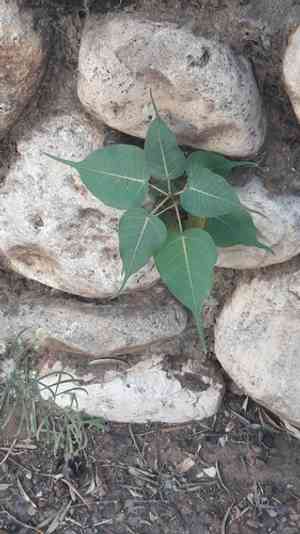
Quickly Identify Sacred fig
Scientific Classification of Sacred fig
Planting and Growing of Sacred fig
 How to Water Sacred fig?
 What Are the Sunlight Requirements for Sacred fig?
 What Is the Ideal Temperature Range for Sacred fig?
 What Soil is Best for Sacred fig?
 How to Fertilize Sacred fig?
 How to Prune Sacred fig?
 How to Propagate Sacred fig plant?
 How to Repot Sacred fig plant?
Toxicity of Sacred fig
Is Sacred fig toxic to cat?
The sacred fig is known to have a low level of toxicity for cats, which can manifest if they consume excessive amounts of the plant. The toxic elements lie within the plant's sap and juice, posing potential health risks to felines. Following consumption, affected cats may show indications of physical discomfort or distress. Therefore, cat owners need to be alert and discourage their pets from chewing on or eating any parts of the sacred fig. If a cat shows any unusual behavior or symptoms of illness after being in contact with the sacred fig, it is essential to seek prompt veterinary attention to ensure their health and receive suitable treatment. Timely professional intervention can help alleviate the impacts of these mild toxins.
Is Sacred fig toxic to dog?
The sacred fig presents a mild toxicity risk for dogs. Although the plant is not considered highly toxic, consuming it in substantial amounts can result in negative health effects. The major concern centers around the sap or juice of the sacred fig, which contains the toxic elements that may cause poisoning. Dogs can be exposed to these toxins if they chew on or ingest parts of the plant, especially areas where the sap is readily available. Symptoms of poisoning in dogs can manifest as gastrointestinal disturbances, including vomiting and diarrhea, as well as possible skin irritation if there is contact with the sap. It is essential for dog owners to keep a close watch on their pets and limit access to sacred fig to mitigate any potential hazards. Should a dog consume a considerable quantity of sacred fig, it is crucial to seek prompt veterinary assistance to ensure proper treatment and management of any arising symptoms.



