Enhancing Your Garden Design with the Sacred fig Plant: A Landscaping Guide
1
The Sacred fig enhances atmospheric purity through pollutant absorption.
2
Proper placement of Sacred fig optimizes its visual appeal and ecological advantages.
3
Effective plant pairings contribute to the garden's overall attractiveness and vitality.
Introducing the Sacred Fig in Garden Design
Overview of integrating Sacred Fig into contemporary outdoor spaces
Incorporating the Sacred Fig into modern landscapes offers a distinct combination of visual appeal and ecological advantages. As a resilient and magnificent species, it has found its place not only in traditional settings but also in current garden layouts. This tree can serve as a focal point or seamlessly blend into a larger design, offering shade, structure, and a sense of peace.
The visual charm of the Sacred Fig
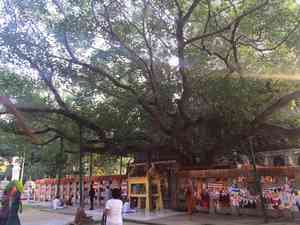
The visual charm of the Sacred Fig is undeniable, with its unique and expansive canopy, robust trunk, and vibrant green leaves. This tree can act as a striking centerpiece in any garden, providing both height and depth. Its roots frequently form organic, interwoven sculptures that can function as natural art installations, making any landscape visually engaging and distinctive.
Ecological advantages linked to the Sacred Fig
The Sacred Fig significantly benefits the environment by enhancing air quality, providing wildlife habitat, and assisting in soil stabilization. Its broad leaves are effective at filtering pollutants from the air, while its extensive root system helps reduce soil erosion. Additionally, the shade it offers can lower local temperatures, creating a cool microclimate within your garden.
Optimal Placement for Sacred Fig in Your Garden
Assessing light and shade requirements
To ensure the Sacred Fig flourishes in your garden, it's vital to evaluate its light and shade needs. The Sacred Fig generally prefers areas where it can receive ample sunlight, though it can also tolerate some shade. Positioning it in a spot that gets morning sun and afternoon shade can help it grow vigorously while maintaining its health.
Considering ground composition and drainage
The ground composition and drainage are equally crucial. The Sacred Fig thrives in well-draining soil that retains some moisture but isn't waterlogged. Amending the soil with compost or organic matter before planting can improve its drainage and fertility, helping your tree to establish itself quickly and healthily.
Strategic positioning for visual harmony and tree vitality
Strategically placing the Sacred Fig within your landscape can maximize its visual appeal and health. Locating it where it can serve as a natural focal point, such as the center of a large lawn or at a garden corner, can create a sense of balance and harmony. Ensure it has sufficient room to grow and expand without excessive competition for resources with other plants.
Pairing Sacred Fig with Other Flora
Selecting companion plants for balance and contrast
Choosing appropriate companion plants for the Sacred Fig can enhance the overall balance and contrast in your garden. Consider low-growing shrubs or groundcovers that won't compete for sunlight, and tall grasses or perennials that complement the height and structure of the Sacred Fig. Colors and textures should be selected to highlight and contrast the tree's beautiful green foliage.
Avoiding common errors in plant pairings
When selecting companion plants, it's important to steer clear of certain mistakes. Ensure the companion plants have similar water and soil requirements to prevent stress on any individual species. Additionally, be wary of overcrowding, as this can lead to competition for resources and potential diseases.
Examples of successful landscaping with Sacred Fig and companions
Examples of successful landscaping projects with the Sacred Fig often involve pairing it with flowering plants that bloom in different seasons, providing year-round interest. Groundcovers like ivy or periwinkle can create attractive and low-maintenance underplanting, while ornamental grasses add movement and texture around the tree's base.
Seasonal Care for Sacred Fig
Adapting maintenance with seasonal changes
Caring for the Sacred Fig varies with the seasons. In spring and summer, consistent watering and feeding can encourage robust growth, while autumn requires less frequent watering as the tree prepares for dormancy. Winter care may involve protecting young trees from frost using mulch or frost cloths.
Preparing Sacred Fig for harsh weather conditions
Extreme weather conditions necessitate specific preparations for the Sacred Fig. In areas prone to strong winds, consider staking young trees to prevent damage. For extremely cold climates, additional insulation at the base can protect the roots from freezing temperatures.
Enhancing landscape beauty across various seasons
Thoughtfully planning for seasonal changes can ensure your landscape remains appealing throughout the year. Planting bulbs or seasonal flowers around the Sacred Fig can provide bursts of color in spring and summer, while autumn foliage from nearby shrubs can complement the tree's winter appearance.
Landscaping Projects Featuring Sacred Fig
Case studies of notable landscapes with Sacred Fig
Significant landscaping projects have successfully incorporated the Sacred Fig to create stunning and peaceful environments. Public parks and botanical gardens frequently use this tree as a central feature, showcasing its grandeur and the calming presence it brings.
Inspiring concepts for your next endeavor
Consider utilizing the Sacred Fig to establish a tranquil meditation garden or as a focal point in a Zen-inspired landscape. It can also be used to line pathways, offering shade and structure, or as a backdrop for water features such as ponds or fountains.
Advice from expert landscapers on using Sacred Fig
Professional landscapers recommend monitoring the tree's growth over the years to ensure it maintains its form and health. Regular pruning can help manage its size and prevent any potential issues with overgrowth. Furthermore, integrating hardscape elements like stone benches or gravel paths can complement the natural beauty of the Sacred Fig.



