How to Prune Altai fescue?
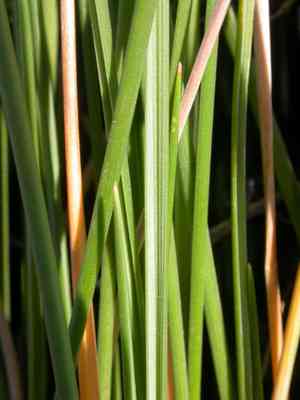
Altai fescue, a hardy grass species, flourishes with little upkeep and is known for its strong development. Trim altai fescue during the initial part of spring or in winter to eliminate deceased or compromised leaves and stimulate robust growth. Effective trimming improves air movement and light penetration throughout the plant, fostering energetic expansion. Consistent trimming guarantees the grass stays thick and uniformly structured, which is crucial for attractive landscaping and environmental balance. Prompt care also stops excessive growth and preserves the plant's health.
Advantages of Trimming Altai Fescue
Advantages of Trimming Altai Fescue
Trimming altai fescue encourages robust development and helps keep an appealing form. Consistent cutting eliminates dead or weaker sections, allowing healthier parts to flourish and maintain a dense, strong structure.
Optimal Period for Trimming Altai Fescue
Optimal Period for Trimming Altai Fescue
Trimming or cutting altai fescue in early spring is perfect as it prepares the plant for strong growth in the upcoming season. This timing allows altai fescue to recover from cuts just as its growth cycle begins, maximizing its health and aesthetic appeal. Additionally, winter trimming benefits altai fescue by removing any dead or diseased leaves. This can be done safely since the plant is dormant, minimizing stress and lowering the chance of disease infection during colder months when the plant's defenses are low.
Tools Required for Trimming Altai Fescue
Grass Shears
Given the clumping, grass-like nature of altai fescue, grass shears are perfect for trimming and shaping. These shears enable precise cuts that preserve the health and look of altai fescue, allowing targeted pruning without harming the main clump.
Hand Pruners
Hand pruners are suitable for removing any dead or damaged parts of altai fescue, especially in the thicker base areas where accuracy is vital. They provide a clean cut that promotes healthy regrowth of altai fescue.
Gardening Gloves
Though not a cutting tool, gardening gloves are crucial when trimming altai fescue to shield the gardener's hands from any rough blades or edges, thus ensuring safety during the trimming process.
How to Trim Altai Fescue
Identify
Locate and evaluate the diseased and withered leaves on altai fescue. This involves carefully inspecting the foliage for any signs of discoloration, spots, or decay that indicate poor health.
Sanitize
Disinfect your trimming tools before beginning. This prevents the spread of disease from infected plants to healthy ones. Use a bleach or alcohol solution to clean scissors or shears.
Cut
Carefully remove the diseased and withered leaves from altai fescue. Make cuts close to the leaf's base where it meets the stem, ensuring not to damage new or healthy foliage.
Dispose
Properly discard the removed leaves. Avoid composting them as diseased foliage can contaminate the compost pile and spread the disease when reused in the garden.
Monitor
Regularly observe altai fescue after trimming for signs of new growth or further disease issues. Early detection and trimming can help maintain the plant's health and appearance.
Common Trimming Errors with Altai Fescue
Excessive trimming
A frequent mistake is removing too much foliage from altai fescue, which can stress the plant and result in poor growth or reduced vigor. This species benefits from a more cautious approach to cutting back.
Incorrect cutting technique
Cutting the leaves of altai fescue unevenly or tearing the foliage instead of making clean cuts can harm the plant. This may also expose the plant to diseases or pest infestations.
Trimming at the wrong time
While specific timing details are omitted, it's vital to avoid trimming when the plant is not in its ideal state for recovery. This error can impede the natural growth cycle of altai fescue.
General Trimming Advice for Altai Fescue
Use appropriate tools
Ensure tools are sharp and clean before trimming altai fescue. Sharp shears make precise cuts that heal faster and reduce stress on the plant.
Focus on thinning rather than shortening
Instead of drastically reducing the height of altai fescue, concentrate on thinning out dense areas. This allows light and air to penetrate deeper into the foliage, promoting healthy growth.
Shape gradually
If shaping altai fescue is desired, do it gradually over several seasons. Sudden severe reshaping can shock the plant, while gradual trimming encourages natural growth patterns and reduces stress.



