How to Propagate Altai fescue?
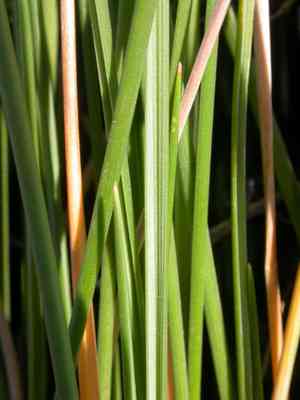
Altai fescue flourishes when multiplied via separation, a technique perfectly aligned with its developmental patterns. For effective propagation, split the root ball in early spring or autumn, periods when the plant is dormant. Gently detach the roots to preserve the wholeness of each segment, then promptly re-establish them in soil that drains efficiently. Regular irrigation and preventing excessive density will foster vigorous development in the new locations.
When Is the Optimal Time to Propagate Altai Fescue?
Propagation Method
Separation
Propagation Period
Spring,Autumn
What Implements Are Utilized in Altai Fescue Propagation?
Garden Spade
A robust garden spade is crucial for excavating and separating the root mass of altai fescue. The spade should possess a sharp edge to cleanly cut through the earth and root network, minimizing harm and ensuring each segment has ample roots for replanting. This implement assists in lifting the plant from the ground with minimal disruption to its root structure.
Pruning Shears
Sharp pruning shears are essential for trimming roots and removing any dead or excess foliage prior to division. For altai fescue, which may have dense grass-like characteristics, clean cuts help prevent disease entry and stress, fostering quicker recovery and growth after propagation.
Garden Fork
A garden fork is employed for loosening the soil surrounding altai fescue before lifting it for division. This tool permits gentle handling of the root system, reducing soil compaction and facilitating easier, less damaging removal of the plant.
Transplanting Trowel
This implement is vital for creating planting holes when relocating divisions of altai fescue. A transplanting trowel with depth indicators is particularly beneficial to guarantee that divisions are planted at the correct depth, which is critical for the successful establishment of the newly propagated plants.
Watering Can with a Fine Rose
Following division and replanting, altai fescue will require gentle irrigation to help settle the soil around the roots and to initiate the recovery and growth process. A watering can with a fine rose attachment allows for soft, even water distribution, preventing disturbance of the soil or newly planted divisions.
How to Propagate Altai Fescue?
Propagation Type
Simple
How to Care for Your Newly Propagated Altai Fescue?
How to Care for Your Newly Propagated Altai Fescue?
Post-propagation care for altai fescue involves ensuring the newly planted divisions receive consistent moisture but are not waterlogged. Place them in an area that receives ample sunlight. Fertilization can be applied sparingly, and it is crucial to avoid overfeeding as altai fescue tolerates low-fertility conditions. Regularly check for pests or diseases and address any issues promptly to ensure vigorous growth. As altai fescue is resilient, it typically adapts quickly to its new surroundings.
Common Errors to Avoid When Propagating Altai Fescue
Using non-specific soil mix
Propagating altai fescue in a general potting mix can result in poor root development due to the plant's specific soil requirements. Altai fescue thrives in well-draining, slightly sandy soil, which mimics its natural environment. Using an unsuitable soil mix can lead to water retention problems, causing root rot or fungal diseases.
Overwatering during propagation
While establishing altai fescue, excessive moisture can be harmful. Overwatering can suffocate the plant's roots, reducing oxygen availability, and increasing the likelihood of fungal infections and root decay. Altai fescue naturally flourishes in conditions that are not overly damp.
Ignoring clump division size
When dividing altai fescue for propagation, utilizing very small clumps could lead to a lower survival rate because smaller clumps may lack sufficient resources to establish themselves successfully. Larger clumps ensure a robust root system, enhancing the plant's ability to grow and thrive.
Planting depth errors
Planting altai fescue too deeply can hinder growth and potentially cause stem rot. Altai fescue requires a specific planting depth where the crown of the plant should be just at or slightly above the soil level.
Tips For Propagating Altai Fescue
Select the appropriate soil mix
Prepare a well-draining, sandy loam soil mixture that imitates altai fescue's native habitats. This type of soil will support root health and improve drainage, key factors for successful propagation.
Monitor watering closely
Maintain moderate moisture levels during the root establishment phase, allowing the soil to dry slightly between watering sessions to prevent overwatering. This will help encourage strong root growth without risking waterlogging.
Use healthy, reasonably sized divisions
When propagating altai fescue by division, ensure each section has a substantial part of the root system and several growth points. This increases the resilience and viability of each new plant, enhancing establishment success.
Maintain proper planting depth
When replanting divisions, ensure the crown of altai fescue is placed slightly above the soil surface to prevent burial too deeply. This promotes healthier growth and reduces the risk of stem and root issues.



