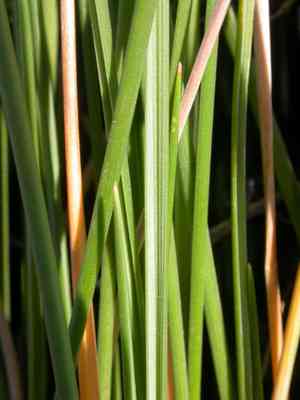
Altai fescue (Festuca altaica)
Also known as: Altaica Fescue
Altai fescue (Festuca altaica) originates from the mountainous regions of central Asia, specifically the Altai Mountains. In North America, particularly in Canada and northern U.S. regions, it faces threats such as habitat destruction from agricultural development, competition with invasive species, and the impacts of climate change on its alpine and subalpine habitats. Despite its resilience once established, these factors contribute to its potential decline.
In This Article
Attributes of Altai fescue
Lifespan
Perennial
Plant Type
Grass
Plant Height
65 cm
Spread
N/A
Leaf Color
Green to bluish-green
Flower Size
N/A
Flower Color
Yellow Green Purple Brown
Images of Altai fescue
Quickly Identify Altai fescue
1
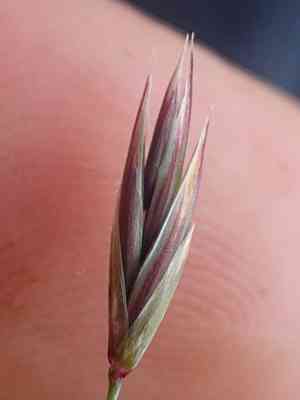
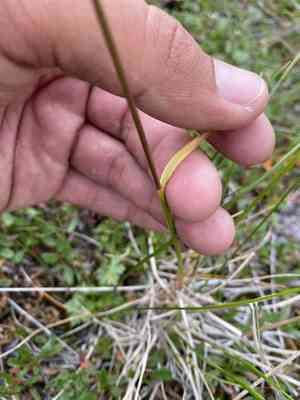
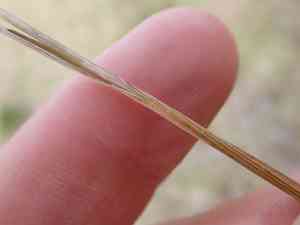
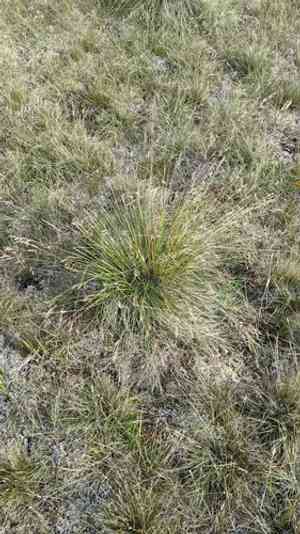
To identify Festuca altaica, look for dense tufts of fine, needle-like leaves that are typically green to bluish-green in color. The grass forms clumps and often has a fibrous root system. The panicles are open and airy, with spikelets that are purplish or brown.
Scientific Classification of Altai fescue
Phylum
Vascular plants
Class
Monocotyledons
Order
Poales
Family
Grass
Genus
Festuca
Species
Altai fescue
Planting and Growing of Altai fescue
Care Difficulty
Easy
Watering Schedule
Every 2 days
Sunlight Requirements
Full sun
Sunshine Duration
4-8 hours
Ideal Temperature
50-75℉
Soil Type
Potting Mix, Peat Mix
Soil pH
6-7.5
Fertilizer Type
Balanced
Pruning Season
Spring, Summer
Pruning Area
Branches, Leaves
Pruning Frequency
2 times a year
Repotting Season
Spring
Pot Type
Plastic, Ceramic
 How to Water Altai fescue?
For Festuca altaica, it is crucial to ensure that the soil is evenly moist but never waterlogged. This plant prefers about 150 ml of water each time, ensuring the water percolates through to reach the deeper roots, keeping the soil just moist to the touch.
What are the symptoms of an underwatered Altai fescue?
›
What should I do if my Altai fescue is not getting enough water?
›
What are the symptoms of an overwatered Altai fescue?
›
How to save an overwatered Altai fescue?
›
 What Are the Sunlight Requirements for Altai fescue?
Festuca altaica thrives in full sun to partial sun conditions, typically receiving between 6 to 8 hours of light daily. Adequate sunlight supports strong growth, vibrant foliage, and boosts photosynthetic activity, essential for healthier and more resilient plant development.
Optimal Placement
›
Utilizing Natural Structures
›
Indoor Conditions
›
 What Is the Ideal Temperature Range for Altai fescue?
The ideal temperature range for Festuca altaica, between 50-75°F, ensures optimal growth and development. Within this range, the plant can efficiently perform photosynthesis and maintain metabolic processes. Temperatures beyond this range can stress the plant, affecting its growth and vitality.
 What Soil is Best for Altai fescue?
Festuca altaica thrives best in soils with excellent drainage. This ensures the roots remain healthy by preventing waterlogging, which can lead to root rot. The presence of essential nutrients supports Festuca altaica's vigorous growth. Loamy soils, rich in organic matter, provide a consistent supply of nutrients vital for its development. Aerated soils support root respiration and nutrient uptake. The airy structure of sandy loam ensures roots get the oxygen they need, enhancing the plant's overall health.
 How to Fertilize Altai fescue?
When fertilizing Festuca altaica, use about 10 grams of a balanced slow-release fertilizer per square meter. This ensures the plant gets nutrients without overwhelming it, promoting healthy growth.
 How to Prune Altai fescue?
Start by identifying the periods of active growth in Spring, Summer, and Autumn. Trim back dead or brown leaves to about two-thirds of their height. Use a downward angle to prevent water from settling on the cut surfaces, which could lead to rot. To stimulate new shoots, selectively cut some of the longer, mature blades. This opens up the plant to more sunlight and air, improving the overall health and vigour of the Festuca altaica. During each season, tailor your pruning to the plant's needs. In Spring, focus on shaping; in Summer, prioritize health; in Autumn, prepare for dormancy.
More About Pruning Techniques→
 How to Propagate Altai fescue plant?
1
Prepare a nutrient-rich medium for sowing seeds or replanting divisions. Ensure the soil is well-draining and contains organic matter. Loosen the soil with a garden fork for better root penetration.
2
Distribute the seeds evenly on the soil surface in the seed tray. Cover lightly with a thin layer of soil, and gently water to keep the soil moist. Ensure the tray is placed in a warm area with indirect sunlight.
3
When using division propagation, carefully dig out the parent plant and shake off excess soil. Divide the plant into smaller sections with at least a couple of shoots and roots attached. Replant these sections in new soil.
 How to Repot Altai fescue plant?
1
Repot Festuca altaica when you notice roots coming out of the drainage holes, or if the plant looks top-heavy and the soil dries out quickly. These are signs that the plant has outgrown its current pot and needs more space to flourish.
2
Select a pot that is one size larger than the current one, ensuring it has adequate drainage holes. This allows for root expansion and prevents waterlogging, which is crucial for preventing root rot in Festuca altaica.
3
Opt for a well-draining, loamy soil mix, which provides the right balance of nutrients and moisture retention. This soil type mimics the plant's natural habitat and supports healthy growth by preventing water stagnation.



