How to Prune Texas spurge?
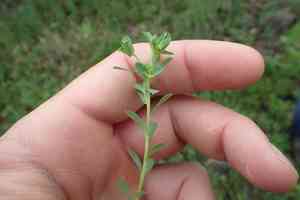
Texas spurge, recognized for its unique leaves and decorative value, thrives with early spring trimming. This period coincides with its developmental phase, fostering vigorous new shoots and preserving its form. Trimming entails excising lifeless or compromised stalks, reducing dense sections, and sculpting the plant to improve air circulation and light exposure. Consistent trimming cultivates a sturdy framework, diminishes the likelihood of pests and ailments, and elevates the plant's general appearance. Always employ disinfected implements to avert the spread of pathogens.
Advantages of Trimming Texas Spurge
Advantages of Trimming Texas Spurge
Texas spurge thrives with pruning, promoting vigorous growth and maintaining its form. Appropriate trimming ensures healthier development, manages its size, enhances its look, and helps the plant effectively resist pests and diseases.
Optimal Time for Pruning Texas Spurge
Optimal Time for Pruning Texas Spurge
Pruning texas spurge in early spring is ideal as it coincides with the plant's dormant period before new growth begins. This timing minimizes plant stress, encourages robust growth, and prepares texas spurge for its blooming and fruiting phases. Additionally, early spring pruning helps shape the plant and remove any dead or weak branches, fostering strong and vibrant growth during active seasons.
Tools Required for Pruning Texas Spurge
Bypass pruners
These create clean cuts, preventing damage to the delicate stems of texas spurge. Perfect for trimming small branches and stems to maintain plant vitality.
Long-sleeve gloves
Crucial for safeguarding your skin from the potentially irritating sap of texas spurge.
Pruning shears
Useful for shaping and controlling the overall structure of texas spurge, especially if it expands into undesirable areas.
Hand saw
For cutting thicker branches if texas spurge becomes excessively large or unmanageable, ensuring precise cuts to avoid harm.
Steps to Prune Texas Spurge
Inspection
Carefully examine texas spurge to identify all parts needing trimming, including diseased, withered, and dead branches. Look for disease indicators such as discoloration, spots, or wilting.
Sterilization
Before cutting, sanitize your pruning tools with rubbing alcohol or a bleach solution to prevent disease transmission. Clean tools after each cut, especially when handling diseased sections.
Remove Diseased Leaves
Begin by removing any diseased leaves. Make clean cuts at the base of the leaf stem, as close to the main plant body as possible, to ensure complete removal and prevent further disease spread.
Remove Withered Leaves
Cut off withered leaves. These are identifiable by their dry, shriveled appearance. Trim them back to the point where they are still healthy or to the nearest branch junction.
Remove Dead Branches
Carefully cut away dead branches. Make the cut just above a bud or branch junction to stimulate new growth. Ensure the cut is clean to promote quicker healing.
Remove Diseased Branches
Prune any diseased branches back to healthy tissue. Cut just above a node to minimize potential damage. Regularly check for disease recurrence.
Disposal
Properly dispose of all pruned material by burning or placing in green waste bins. This prevents disease organisms from re-entering the plant's environment.
Common Pruning Errors with Texas Spurge
Incorrect Technique
Using dull or dirty tools can harm the plant and increase disease risk. Improper cutting angles can also damage the plant's structure.
Excessive Pruning
Removing too much foliage at once can severely stress texas spurge and hinder its growth and flowering capacity.
Pruning at Wrong Nodes
Cutting in incorrect locations can lead to poor regrowth and weakened plant health.
Ignoring Dead or Diseased Parts
Failing to promptly remove dead or diseased sections can allow problems to spread, impacting overall plant vitality.
Lack of Sanitation
Neglecting to disinfect tools between cuts can spread pathogens from one part of the plant to another.
General Pruning Advice for Texas Spurge
Use Sharp, Clean Tools
Always use sharp and clean pruning shears to make precise cuts and reduce the risk of disease.
Minimal Pruning
Only remove what is essential to maintain plant health and shape. For texas spurge, less is more when it comes to pruning.
Correct Cutting Angle
When pruning, make an angled cut just above a node or bud to encourage proper regrowth and reduce water accumulation on the cut surface.
Remove Dead or Diseased Parts
Promptly cut away any dead or diseased branches to prevent the spread of pathogens and improve air circulation.
Sterilize Tools
Disinfect pruning tools between each cut, especially when dealing with diseased areas, to prevent cross-contamination.



