How to Propagate Texas spurge?
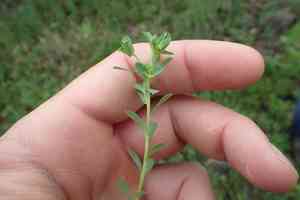
Frequently encountered in the Southern regions of the United States, texas spurge exhibits slender, elongated foliage and prominent, yellowish-green blossoms. To achieve successful propagation, utilize stem sections harvested from robust, fully developed specimens. Confirm that these sections measure approximately 3-4 inches in length, strip off the lower leaves, and embed them in a growing medium that drains efficiently. Maintain consistent moisture in the soil without oversaturation, and position them in an area with ample, diffused illumination until a root system forms.
Optimal Time for Texas Spurge Propagation
Propagation Method
Cutting
Propagation Period
Spring,Summer
Tools for Texas Spurge Propagation
Sterile Pruning Shears
Pruning shears are crucial for obtaining clean, precise cuttings from texas spurge. Sterilization minimizes infection and disease risks, vital for cutting health.
Rooting Hormone
Applying rooting hormone to cut ends boosts the likelihood of root formation by encouraging quicker, stronger root development, essential for successful texas spurge propagation.
Propagation Trays
Propagation trays offer a regulated environment for cuttings to root. They ensure proper spacing, drainage, and air circulation, necessary to prevent rot and foster healthy root growth in texas spurge.
Seedling Heat Mat
A seedling heat mat helps maintain consistent soil warmth, which enhances root development in texas spurge cuttings. The gentle heat supports faster, more dependable rooting.
Plastic Domes
Plastic domes create a humid microclimate, reducing leaf water loss and promoting root growth. This is especially beneficial for texas spurge cuttings, which can dry out rapidly.
Sharp Knife or Scalpel
A sharp knife or scalpel is useful for making accurate cuts without crushing plant tissues. This minimizes damage and improves the chances of successful rooting in texas spurge.
Clean Containers
Using clean containers lowers the risk of contamination and disease. Appropriate containers also support sufficient drainage, important for the health of texas spurge cuttings.
Misting Bottle
A misting bottle is essential for keeping cuttings moist without overwatering. Maintaining proper moisture levels helps texas spurge cuttings develop roots without succumbing to rot.
How to Propagate Texas Spurge?
Propagation Difficulty
Moderately Difficult
Caring for Newly Propagated Texas Spurge
Caring for Newly Propagated Texas Spurge
After successful propagation, place texas spurge in a spot with ample indirect sunlight. Water sparingly, allowing the soil to dry out between waterings, as texas spurge is drought-tolerant. During the growing season, you can feed the plant with a diluted, balanced fertilizer monthly. Regularly check for pests and remove any dead or decaying leaves to maintain plant health.
Common Mistakes to Avoid When Propagating Texas Spurge
Overwatering
Excessive moisture can lead to root rot, which is particularly harmful to texas spurge, as it prefers well-drained soil.
Insufficient Light
Texas spurge requires abundant sunlight to thrive; inadequate light can hinder its growth and propagation success.
Using Poor Soil
Texas spurge needs well-draining soil; using heavy or water-retentive soil can suffocate the roots and impede growth.
Neglecting Temperature Needs
Texas spurge is sensitive to extreme temperatures. Propagation should avoid extremes to ensure successful rooting and growth.
Tips For Propagating Texas Spurge
Use Well-Draining Soil
Ensure the soil mixture drains effectively to prevent water accumulation around the roots.
Allow Adequate Sunlight
Position the plant where it receives sufficient daily sunlight to promote healthy photosynthesis and growth.
Monitor Watering
Water sparingly and only when the top inch of soil is dry. Avoid waterlogging which can harm the plant.
Maintain Optimal Temperature
Keep the propagation environment at a moderate temperature, avoiding extreme heat or cold to support root development.
Handle with Care
Texas spurge can have irritating sap; wear gloves while handling to avoid skin irritation and ensure careful planting and cutting.



