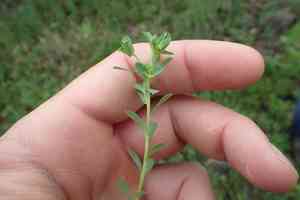
Texas spurge (Euphorbia texana)
Also known as: Texas Spurge
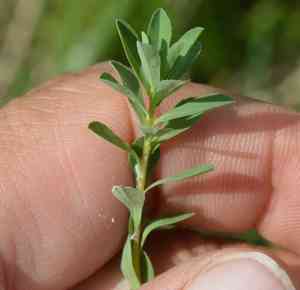
Texas spurge (Euphorbia texana) can be found in the native habitats of Texas, New Mexico, and Oklahoma. This plant features smooth, oval-shaped leaves that widen at the base and taper towards the tip. It produces clusters of flowers and bears small, round fruits. As with other members of the Euphorbia genus, it contains a milky latex that is toxic.
In This Article
Attributes of Texas spurge
Lifespan
Perennial
Plant Type
Shrub, Succulent
Plant Height
15-30 cm
Spread
Not commonly documented
Leaf Color
Green
Flower Size
Less than 1 cm
Flower Color
Yellow to greenish
Images of Texas spurge
Quickly Identify Texas spurge
1
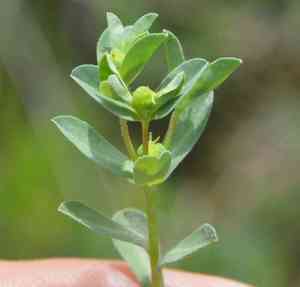
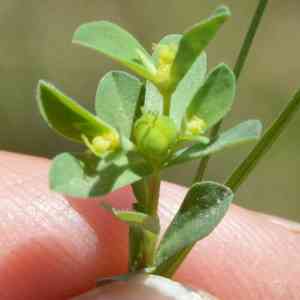
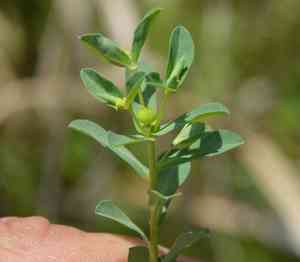
To identify Euphorbia texana, look for its distinctive milky sap, which is typical of the Euphorbia genus. The plant has linear to lanceolate leaves and small, clustered flowers usually situated at the tips of the stems.
Scientific Classification of Texas spurge
Phylum
Vascular plants
Class
Dicotyledons
Order
Malpighiales
Family
Spurge
Genus
Spurges
Species
Texas spurge
Planting and Growing of Texas spurge
Care Difficulty
Easy
Watering Schedule
Every day
Sunlight Requirements
Full sun
Sunshine Duration
4-8 hours
Ideal Temperature
60-80℉
Soil Type
Potting Mix, Peat Mix
Soil pH
6.5-7.5
Fertilizer Type
Balanced
Pruning Season
Spring, Summer
Pruning Area
Branches, Leaves
Pruning Frequency
2 times a year
Repotting Season
Spring
Pot Type
Plastic, Ceramic
 How to Water Texas spurge?
Euphorbia texana prefers a conservative watering approach due to its succulent nature. Watering should saturate the soil completely but ensure excess water drains out freely to mimic occasional heavy rainfalls in its native habitat. This translates to approximately 250 ml of water per session.
What are the symptoms of an underwatered Texas spurge?
›
What should I do if my Texas spurge is not getting enough water?
›
What are the symptoms of an overwatered Texas spurge?
›
How to save an overwatered Texas spurge?
›
 What Are the Sunlight Requirements for Texas spurge?
Euphorbia texana thrives in full to partial sun, needing 6 to 8 hours of light daily. This range encourages robust growth, flowering potential, and resilience to stress.
What is the best lighting environment for Euphorbia texana?
›
What solutions exist to provide ideal light?
›
What benefits does Euphorbia texana derive from ideal light?
›
 What Is the Ideal Temperature Range for Texas spurge?
Euphorbia texana thrives best in a temperature range of 60°F to 80°F. This range allows the plant to maintain optimum metabolic functions and promotes healthy growth and blooming.
 What Soil is Best for Texas spurge?
Euphorbia texana thrives in well-drained soil, which prevents root rot by allowing excess water to escape quickly. Ensuring good drainage helps maintain the right moisture balance crucial for this drought-tolerant plant's health. The plant requires a nutrient-rich soil composition that provides essential minerals. This supports the plant's growth and flowering, ensuring it remains healthy and vibrant in its natural habitat. Euphorbia texana benefits from a neutral to slightly alkaline pH. This pH range optimizes nutrient uptake and enhances the plant's ability to thrive, particularly in rocky terrains typical of its native environment.
 How to Fertilize Texas spurge?
For Euphorbia texana, a carefully measured approach is needed for optimal growth. Apply liquid fertilizer at half the recommended strength for regular houseplants, usually about 10 ml per liter of water. This ensures that the plant receives enough nutrients without risking root burn.
 How to Prune Texas spurge?
Begin your pruning session by removing any dead or damaged stems or leaves. Use sharp, clean pruning shears to make precise cuts just above a leaf node or joint. This will promote healthy regrowth. To shape the Euphorbia texana, focus on cutting back overgrown stems to maintain a desirable size and shape. Trim just above a node to encourage a fuller growth pattern. Aim for a balanced look by stepping back periodically to assess.
More About Pruning Techniques→
 How to Propagate Texas spurge plant?
1
First, ensure that the seeds are harvested once the plant has flowered and the seeds are mature. Select healthy seeds and store them in a cool, dry place until you're ready to plant.
2
For cuttings, take a segment of the plant with at least three to five nodes. Use a sterilized knife or shears to ensure a clean cut, which helps in quicker and healthier rooting.
3
Sow the seeds in a tray filled with well-draining soil. Cover the seeds lightly with soil and water them gently. Place the tray in a warm, sunny location, keeping the soil moist until germination occurs.
 How to Repot Texas spurge plant?
1
Repot your Euphorbia texana when you notice it outgrowing its current pot, usually when roots start appearing out of the drainage holes. Spring and summer are ideal seasons as the plant is actively growing and can recover quickly.
2
Select a pot that is only slightly larger than the current one with adequate drainage holes. A pot too large can lead to waterlogged soil which is detrimental for succulents. Terracotta pots are preferred for their porous nature, aiding in moisture management.
3
Opt for a well-draining cactus or succulent mix. A mix with components like perlite, pumice, and coarse sand will prevent water from accumulating around the roots, reducing the risk of rot. Good aeration and drainage ensure healthy root development.
Toxicity
Ingestion, Skin contact
WARNING
The judgment on toxicity and danger is for reference only. We DO NOT GUARANTEE any accuracy of such judgment. Therefore, you SHALL NOT rely on such judgment. It is IMPORTANT TO SEEK PROFESSIONAL ADVICE in advance when necessary.



