How to Prune Seaside sandmat?
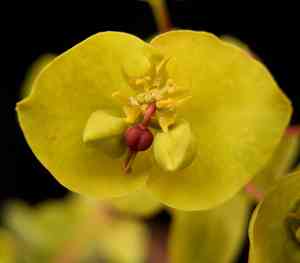
A ground-hugging coastal perennial, seaside sandmat, flourishes in sandy environments and demands little upkeep. To foster robust development, judiciously trim away deceased or compromised stalks at any point from spring to autumn. Trimming during these periods aids in revitalizing growth, preserving the plant's dense shape, and fostering thicker leaves. Swiftly removing faded blooms can deter undesirable self-propagation. To guarantee vitality, disinfect pruning implements to minimize the spread of pathogens and prune sparingly, as seaside sandmat inherently adjusts to its surroundings.
What Are the Benefits of Pruning Seaside Sandmat?
What Are the Benefits of Pruning Seaside Sandmat?
Trimming seaside sandmat promotes robust development and maintains its desired form. Strategic cuts encourage new, healthy growth and help control the plant's spread, crucial for garden upkeep.
What Is the Best Time for Pruning Seaside Sandmat?
What Is the Best Time for Pruning Seaside Sandmat?
Trimming seaside sandmat in Spring is advisable as it follows the plant's winter rest period, allowing gardeners to remove any winter-damaged branches before the active growth cycle begins, fostering healthier new growth. Autumn is also suitable for light pruning to prepare seaside sandmat for winter by removing any dead or diseased foliage, which may enhance the plant's overall health and lower disease risk. Pruning during the Summer is not recommended due to increased stress on seaside sandmat from heat and potential drought conditions, which can make the plant less resilient to trimming.
What Tools Do I Need to Prune Seaside Sandmat?
Hand Pruners
Seaside sandmat is a small, low-growing plant with relatively delicate stems, making hand pruners perfect for precise cuts without causing unnecessary harm to the plant.
Gardening Gloves
Due to seaside sandmat's potentially irritating sap, it's vital to safeguard your hands with gardening gloves when making cuts or handling the plant.
Small Garden Scissors
For snipping away small or delicate growth such as new shoots or thin stems, small garden scissors can offer the necessary precision without harming seaside sandmat.
How to Prune Seaside Sandmat
Identification
Locate the withered leaves on seaside sandmat, which are typically discolored or dry and brittle to the touch.
Preparation
Prepare a pair of clean, sharp scissors or pruning shears specifically designed for small or delicate plants like seaside sandmat.
Pruning
Carefully snip off the withered leaves at their base, taking care not to damage the healthy stems or leaves of seaside sandmat.
Clean up
Dispose of the removed withered leaves to prevent any potential disease spread that might affect the health of seaside sandmat.
Post pruning care
Monitor seaside sandmat after pruning, ensuring that it receives adequate water and light to support healthy new growth.
Common Pruning Mistakes with Seaside Sandmat
Overpruning
Removing too much foliage at once can stress seaside sandmat, impeding its growth and potentially damaging its delicate structure.
Improper cut location
Cutting too far from or too close to the main stems can either leave unsightly stubs or damage the node, disrupting future growth.
Using dull tools
Pruning with dull or unclean tools can result in jagged cuts that are more susceptible to disease and pests, and can harm the plant's health.
Neglecting disinfection
Not sterilizing pruning tools before use can spread diseases to seaside sandmat, particularly if the same tools are used on multiple plants.
Improper timing
Pruning at the wrong time can prevent seaside sandmat from flowering properly or can cause fresh cuts to be exposed to harsh conditions, affecting plant recovery.
Common Pruning Tips for Seaside Sandmat
Sterilize tools
Before pruning seaside sandmat, always disinfect your tools to prevent the spread of pathogens. Use alcohol or a bleach solution to sterilize.
Cut at node
When pruning seaside sandmat, make cuts just above leaf nodes at a 45-degree angle to encourage new growth and to facilitate water runoff, thereby reducing the risk of disease.
Moderate pruning
Prune seaside sandmat in moderation. Remove only the necessary amount of growth to maintain the plant's shape and health. Aim to cut back no more than one-third of the plant at a time.
Sharp cuts
Use sharp, clean pruning shears to make precise cuts. This helps ensure quick healing and reduces stress to seaside sandmat.
Selective pruning
Be selective when pruning seaside sandmat. Remove only dead, damaged, or diseased plant material and any overgrown sections to improve light and air penetration.



