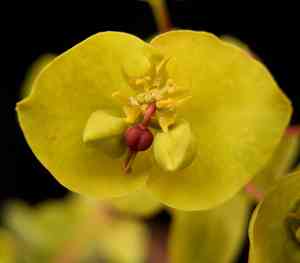
Seaside sandmat (Euphorbia polygonifolia)
Also known as: None recorded
Seaside sandmat primarily resides in sandy beaches and dunes along the Atlantic coast and the Great Lakes. This plant is noted for its relatively large fruits and seeds, which mature later than those of similar species.
In This Article
Attributes of Seaside sandmat
Lifespan
Annual
Plant Type
Herb
Plant Height
30 cm
Spread
20-50 cm
Leaf Color
Green
Flower Size
0.5 cm
Flower Color
Yellow Green
Images of Seaside sandmat
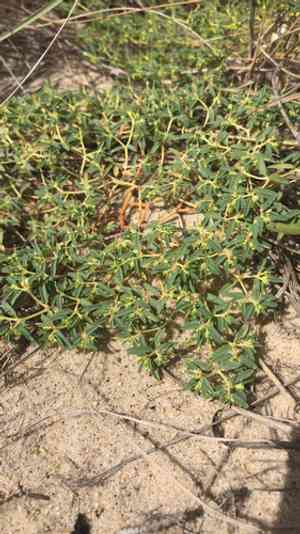
Quickly Identify Seaside sandmat
1
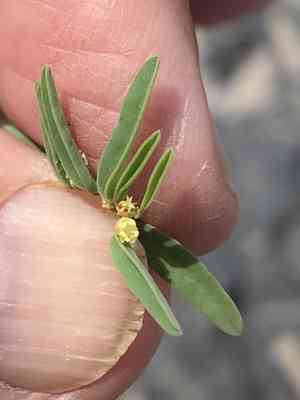
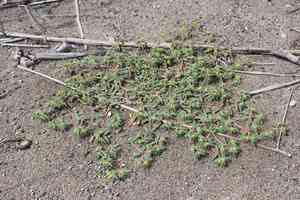
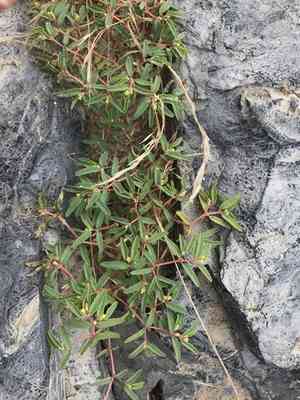
Euphorbia polygonifolia can be identified by its prostrate growth habit and linear, narrow leaves. The small, greenish-yellow flowers are often clustered at the tips of the stems. Be cautious of the milky latex sap which can be irritating to skin.
Scientific Classification of Seaside sandmat
Phylum
Vascular plants
Class
Dicotyledons
Order
Malpighiales
Family
Spurge
Genus
Spurges
Species
Seaside sandmat
Planting and Growing of Seaside sandmat
Care Difficulty
Easy
Watering Schedule
Every 2 days
Sunlight Requirements
Full sun
Sunshine Duration
6-10 hours
Ideal Temperature
60-75℉
Soil Type
Potting Mix, Peat Mix
Soil pH
6.5-7.5
Fertilizer Type
Balanced
Pruning Season
Spring, Summer
Pruning Area
Branches, Leaves
Pruning Frequency
2 times a year
Repotting Season
Spring
Pot Type
Plastic, Ceramic
 How to Water Seaside sandmat?
For Euphorbia polygonifolia, watering should be done with a modest amount of 250 ml each time. It is crucial to ensure the soil is moist but not waterlogged, by allowing the water to drain thoroughly. This plant prefers dry conditions, so err on the side of under-watering.
What are the symptoms of an underwatered Seaside sandmat?
›
What should I do if my Seaside sandmat is not getting enough water?
›
What are the symptoms of an overwatered Seaside sandmat?
›
How to save an overwatered Seaside sandmat?
›
 What Are the Sunlight Requirements for Seaside sandmat?
A balance between full sun and partial sun is optimal for Euphorbia polygonifolia. Ideal light stimulates robust growth, enhancing vigor and resilience, thereby amplifying its natural vibrancy and thriving in a well-lit environment.
More About Sunlight Requirements Techniques→
Optimal Light Conditions
›
Solution for Ideal Lighting
›
Benefits of Ideal Lighting
›
 What Is the Ideal Temperature Range for Seaside sandmat?
Euphorbia polygonifolia thrives best in temperatures between 60°F and 75°F. These conditions mimic their natural habitats, providing optimal growth and sustenance. Maintaining this temperature range ensures the plant receives adequate warmth without overheating, promoting healthy photosynthesis and preventing stress.
 What Soil is Best for Seaside sandmat?
Euphorbia polygonifolia thrives in well-draining soil to prevent root rot caused by waterlogged conditions. Good drainage ensures that roots breathe well and avoid fungal diseases, thereby promoting healthy growth. A sandy soil composition is ideal as it provides the necessary texture for good drainage and avoids water accumulation around the roots. This soil type emulates its natural habitat, supporting the plant's longevity. An airy texture allows for proper root expansion and ensures that nutrients penetrate efficiently. This kind of soil structure mimics the plant's natural conditions, facilitating optimal nutrient uptake.
 How to Fertilize Seaside sandmat?
For Euphorbia polygonifolia, the amount of fertilizer should be relatively low due to its preference for poor, sandy soils. Use a diluted liquid fertilizer, with a 1/4 diluted strength recommended for indoor or potted specimens, applied evenly over the soil surface.
 How to Prune Seaside sandmat?
Due to the sap's potential to irritate the skin, always wear gloves and long sleeves. The sap can cause allergic reactions or skin irritations, so avoid direct contact as much as possible during pruning. Be cautious not to remove too much of the plant at once. Over-pruning can stress the plant and inhibit its ability to thrive. Always follow the general guideline of not removing more than one-third of the plant at a time. Ensure that you dispose of Euphorbia polygonifolia cuttings safely. The plant's sap can be toxic to children and pets, so it's important to either compost them responsibly or place them in a sealed bag for disposal.
More About Pruning Techniques→
 How to Propagate Seaside sandmat plant?
1
Begin by filling a seed tray with a light, well-draining potting mix. Sow the seeds evenly across the surface and cover them with a thin layer of soil. Ensure the seeds receive indirect sunlight and maintain consistent moisture.
2
Choose healthy stems from the parent plant, ideally with several sets of leaves. Cut the stems at an angle below a node, about 4-6 inches long. Remove lower leaves and dip the cut end in a rooting hormone.
3
Insert the treated cuttings into a pot filled with moistened potting mix. Place the pot in a warm location with indirect sunlight. Cover with a plastic bag to retain humidity, ensuring the leaves do not touch the sides.
 How to Repot Seaside sandmat plant?
1
Repot Euphorbia polygonifolia when you notice roots growing out of the drainage holes or if the plant's growth has noticeably slowed. Repotting in the warmer months of spring or summer gives the plant the best chance to adapt quickly and begin growing anew.
2
Select a pot that is one size larger than the previous one and ensures adequate drainage. Pots made of terracotta are ideal as they allow excess moisture to evaporate, preventing root rot, which is crucial for a plant that thrives in drier conditions.
3
Opt for a well-draining soil mix that replicates the plant's natural sandy habitat. Adding perlite or coarse sand to standard potting soil helps improve drainage. This prevents waterlogging, which is essential for the plant's roots to breathe and avoid diseases.
Toxicity
Ingestion, Dermal contact
WARNING
The judgment on toxicity and danger is for reference only. We DO NOT GUARANTEE any accuracy of such judgment. Therefore, you SHALL NOT rely on such judgment. It is IMPORTANT TO SEEK PROFESSIONAL ADVICE in advance when necessary.
Learn More About Seaside sandmat Diseases
Anthracnose
Bacterial Leaf Spot
Bacterial Soft Rot
Chemical Injury
Damping-off
Downy Mildew
Drought Stress
Fusarium Wilt
Gray Mold
Leaf Spot
Mosaic
Nutrient Deficiency
Nutrient Toxicity
Powdery Mildew
Root Rot
Root-knot Nematode
Rusts
Sooty Mold
Spider Mites
Temperature Stress
Thrips Damage
White Mold



