How to Prune Mercury spurge?
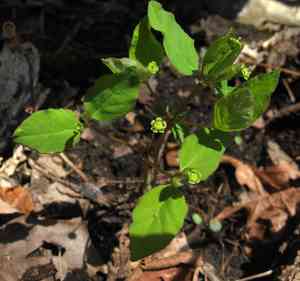
Mercury spurge flourishes with deliberate trimming to sustain robust, plentiful development. Perform pruning in the initial part of spring or the latter portion of winter prior to the period of active growth. Eliminate any deceased or compromised limbs, and sculpt the plant to foster air movement and light exposure. Verify that all cuts are precise to avert pathogens. Consistent trimming not only improves the plant's aesthetic but also stimulates energetic growth and blooming. Always employ disinfected implements to preclude the spread of illness.
What Are the Benefits of Pruning Mercury Spurge?
What Are the Benefits of Pruning Mercury Spurge?
Trimming mercury spurge helps maintain its form, encourages robust development, and prevents excessive density. Regular cutting aids in size management, improves aesthetic appeal, and decreases vulnerability to pests and diseases, ensuring the plant flourishes.
What Is the Best Time for Pruning Mercury Spurge?
What Is the Best Time for Pruning Mercury Spurge?
Trimming in early spring and late winter is optimal for mercury spurge as it aligns with its natural growth cycle. During these periods, mercury spurge is dormant or just beginning its active growth, minimizing stress to the plant. Pruning at this time allows for improved air circulation, light penetration, and overall healthier growth as seasons advance. Additionally, it supports the plant's flowering or fruiting by directing energy to new, healthy growth instead of overgrown or damaged sections.
What Tools Do I Need to Prune Mercury Spurge?
Bypass Pruners
Perfect for clean cuts on mercury spurge's stems, reducing tissue harm and fostering healthy regrowth.
Long-handled Shears
Useful for reaching and trimming overgrown or difficult-to-access areas of mercury spurge, enabling precise shaping.
Loppers
Crucial for cutting thicker, more mature, and robust branches or stems on mercury spurge.
Pruning Saw
Recommended for removing exceptionally thick or woody stems that cannot be managed by pruners or loppers.
Gloves
Important for protecting hands from mercury spurge's sap, which can be irritating or toxic.
How to Prune Mercury Spurge
Inspect
Carefully examine mercury spurge for any indications of diseased or withered leaves, as prompt detection is vital for effective pruning.
Sanitize
Before making any cuts, ensure your pruning tools are disinfected to prevent disease transmission. Use a solution of one part bleach to nine parts water to clean your tools.
Remove Diseased
Identify and snip off any diseased leaves using sharp, sanitized pruning shears. Make clean cuts near the base of the affected area, but avoid cutting into healthy tissue.
Remove Withered
Trim off withered leaves to prevent insect infestations and enhance air circulation. Cut as close to the main stem as possible without causing damage.
Dispose Properly
Properly dispose of all pruned material by bagging and discarding it. Do not compost diseased material as it may spread pathogens.
Common Pruning Mistakes with Mercury Spurge
Improper Technique
Using dull or unclean tools can result in jagged cuts that may lead to infections or stress for mercury spurge. It's crucial to use clean, sharp shears for precise cuts.
Over-pruning
Cutting back too much of mercury spurge at once can shock the plant and hinder growth. It's important to prune moderately, removing no more than one-third of the plant's foliage at a time.
Incorrect Timing
Pruning at the wrong time, despite the season being excluded, can lead to poor flowering and growth. Ensure you know the plant's pruning schedule in advance.
Neglecting Dead or Damaged Parts
Failing to remove dead, diseased, or damaged parts can lead to further issues with pests or infections spreading throughout mercury spurge.
Crossing Branches
Leaving branches that cross or rub against each other can cause wounds and hinder healthy growth. It's necessary to prune these to prevent future damage.
Common Pruning Tips for Mercury Spurge
Disinfect Tools
Always disinfect your pruning tools before and after use to prevent the spread of disease. A solution of one part bleach to nine parts water works well.
Prune Lightly
Start with a light prune rather than an aggressive cutback. Focus on removing dead or damaged foliage and lightly shape mercury spurge to encourage healthy growth.
Maintain Shape
Pruning should maintain the plantâs natural shape and encourage a bushier, more vigorous growth habit. Avoid cutting too close to the main stem, as this can harm the plant.
Encourage Air Circulation
Ensure that the interior branches are not too dense. By removing some of the inner branches, you can promote better air circulation, reducing the risk of fungal infections.
Monitor Regrowth
After pruning, keep an eye on how mercury spurge regenerates new growth. If necessary, a follow-up light prune may be required to maintain the desired shape and health of the plant.



