How to Prune Ashy sandmat?
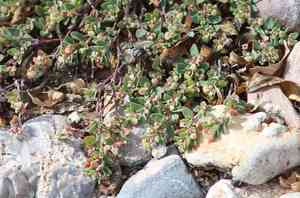
This resilient succulent displays grayish leaves and flourishes in dry climates. For ashy sandmat, the best time for trimming is in early spring or late winter. Cut back the plant to eliminate dead or ailing stalks, carefully shaping it to preserve its inherent structure. Refrain from severe cutting, as this might cause distress to the plant. Consistent trimming encourages more robust development, improved air movement, and boosts its aesthetic appeal. Don gloves when trimming to prevent exposure to its milky fluid, which may lead to skin discomfort.
What Are the Benefits of Pruning Ashy Sandmat?
What Are the Benefits of Pruning Ashy Sandmat?
Ashy sandmat thrives with pruning, which encourages robust growth and maintains a tidy, compact form. Regular trimming helps control its size, improves its look, and fosters healthy, strong development crucial for its adaptation to various garden environments.
What Is the Best Time for Pruning Ashy Sandmat?
What Is the Best Time for Pruning Ashy Sandmat?
Trimming ashy sandmat from late winter to early spring allows it to recover and develop before the active growing period. Pruning at this time stimulates strong growth and prepares the plant for peak health throughout the year. During this phase, the plant is typically dormant or just starting its growth cycle, minimizing stress and disease risk while promoting healthy new shoots. Avoid pruning in late spring or summer when it's actively flowering or fruiting, as this can impede its development and shorten bloom times.
What Tools Do I Need to Prune Ashy Sandmat?
Hand Pruners/Pruning Shears
Perfect for the precise cuts needed to manage the shape and size of ashy sandmat due to its slender stems. These are ideal for making clean cuts on stems up to 1/2 inch thick.
Bypass Pruners
These deliver a clean cut, essential for preventing damage to the delicate, smaller branches of ashy sandmat. They are especially effective for live or green wood.
Long-handled Pruners
For reaching deeper into the plant without disrupting its structure. Useful for cutting slightly thicker stems while maintaining easy access.
Gloves
Given the potential for skin irritation from the plant's sap, gloves are vital for protecting the gardener's hands.
How to Prune Ashy Sandmat
Inspect
Carefully examine ashy sandmat to identify any diseased or withered leaves. Pay close attention to any discoloration, spots, or signs of decay.
Tool Sterilization
Sanitize your pruning tools with a solution of one part bleach to nine parts water to prevent the spread of pathogens.
Diseased Leaves
Use clean, sharp scissors or pruning shears to carefully remove diseased leaves from ashy sandmat. Cut close to the base of the leaf stem, ensuring all affected areas are eliminated.
Withered Leaves
Trim away any withered leaves, cutting them close to the base where they attach to the stem. Ensure that you do not harm healthy tissue.
Dispose
Properly discard all removed plant material in a sealed bag to prevent any potential disease spread. Do not compost diseased leaves.
Common Pruning Mistakes with Ashy Sandmat
Over-pruning
Removing too many stems and foliage can weaken ashy sandmat and reduce its vitality. This may lead to fewer blooms and an overall unhealthy appearance.
Improper technique
Using dull or unsterilized tools can cause jagged cuts and increase the risk of disease. Failing to make clean cuts may also unnecessarily damage plant tissue.
Poor timing
Pruning at unsuitable times (excluding specifics mentioned elsewhere) can disrupt the plant's growth cycle, causing stress and delaying recovery.
Ignoring plant structure
Neglecting to consider the natural growth pattern of ashy sandmat can result in an unnatural shape and diminish its ornamental value.
Common Pruning Tips for Ashy Sandmat
Use sharp, clean tools
Ensure your pruning shears or scissors are sharp and sterilized before making any cuts. This helps in making smooth cuts, reducing the risk of disease transmission and promoting quick healing.
Make precise cuts
Always make cuts just above a node or lateral bud. This encourages new growth in the desired direction and helps maintain the plant's natural form.
Remove dead or damaged stems
Regularly inspect ashy sandmat for any dead or damaged stems and remove them promptly. This redirects the plant's energy to healthier parts and encourages vigorous growth.
Thin out crowded areas
If parts of ashy sandmat become too dense, selectively thin out some stems to improve air circulation and light penetration. This minimizes the risk of fungal diseases and supports better overall health.
Avoid heavy pruning
Limit your pruning to no more than one-third of the plant at a time. This ensures that ashy sandmat retains enough foliage to sustain itself and recover effectively from the pruning session.



