How to Prune Spurge?
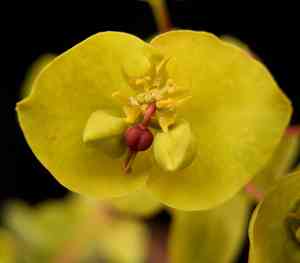
This fleshy, enduring herb is recognized for its milky fluid and tiny, frequently inconspicuous blossoms. For spurge, appropriate pruning encourages compact development and manages its aggressive tendencies. Cut back elongated stalks and eliminate deceased matter, preferably from spring through autumn. Pinch off terminal buds to preserve form and dimensions. Advantages encompass revitalized specimens and diminished self-seeding. Exercise caution regarding the sap during cutting, as it may cause skin irritation. Consistent trimming additionally averts excessive density and improves airflow, hindering pest outbreaks.
What Are the Benefits of Pruning Spurge?
What Are the Benefits of Pruning Spurge?
Trimming spurge encourages it to direct energy towards robust development and helps maintain a desired form, enhancing the plant's visual appeal and vitality.
What Is the Best Time for Pruning Spurge?
What Is the Best Time for Pruning Spurge?
Trimming spurge in late spring coincides with the end of its dormant phase and the start of active growth, fostering healthy development and preventing plant stress. Early summer is suitable for cutting back any excessive growth or shaping the spurge, as the plant is vigorous and recovers quickly. Autumn pruning is beneficial as it prepares the spurge for winter by removing any dead or dying parts, reducing the likelihood of disease and pest issues.
What Tools Do I Need to Prune Spurge?
Hand Pruners
These are perfect for spurge due to their precise cutting ability, allowing gardeners to make clean cuts away from the main stem, which is vital for the plant's well-being.
Gloves
Given that spurge contains a milky sap that can irritate skin and is toxic if consumed, wearing gloves is crucial for protection during the pruning process.
Sharp Knife
For smaller or more delicate pruning tasks on spurge, a sharp, clean knife offers the control needed for fine cutting without harming the plant tissues.
How to Prune Spurge
Disinfect Tools
Before pruning spurge, clean and sanitize all pruning tools to prevent the spread of diseases. Use a solution of 1 part bleach to 9 parts water or rubbing alcohol to wipe down blades.
Identify Parts
Examine spurge closely to locate withered leaves. These are typically discolored, dry, and may be shriveling.
Isolate Leaf
Carefully isolate the withered leaf from healthy foliage to avoid damaging adjacent parts of spurge. Use your fingers or precision pruners for small leaves.
Cut Leaf Base
Make a clean cut at the base of the withered leaf, ensuring to remove the entire leaf without leaving stubs. This prevents decay and potential infestations on spurge.
Dispose Debris
Dispose of the withered leaves properly, as they can harbor pests or diseases. Do not compost if the leaves show signs of disease to protect spurge and other plants.
Common Pruning Mistakes with Spurge
Overpruning
Removing too much foliage from spurge can stress the plant, leading to reduced vigor and sparse growth. This is a common mistake that can impact the plant's ability to photosynthesize and store energy.
Improper Cutting
Making jagged or torn cuts can create entry points for pests and diseases. Clean, sharp cuts are necessary to ensure the health of spurge.
Neglecting Tool Hygiene
Using dirty pruning tools can introduce pathogens to spurge. It's essential to clean and disinfect tools before use on different plants.
Ignoring Plant Shape
Novice gardeners often overlook the natural growth habit of spurge when pruning, which can lead to an unnatural appearance and poor plant health.
Pruning Woody Stems
Spurge can have stems that become woody with age. Cutting into these older stems can be detrimental to the plant because it might not readily produce new growth from these areas.
Common Pruning Tips for Spurge
Selective Cutting
When trimming spurge, make precise cuts to remove diseased, damaged, or dead tissue without cutting into healthy stems, which can encourage more vigorous growth and flowering.
Moderate Pruning
For the health of spurge, it's best to prune moderately, removing only what is necessary to shape the plant or to remove unwanted growth, rather than a heavy-handed approach.
Sharp Clean Tools
Use sharp, clean tools to make pruning spurge as efficient and healthy as possible. This prevents damage to the plant tissue and reduces the risk of disease transmission.
Prune For Airflow
Thinning the center of spurge to promote better air circulation can help prevent fungal problems, especially for dense, bushy species of Euphorbia.
Follow Natural Grow
Prune spurge by following its natural growth pattern to maintain its shape and encourage a more aesthetic appearance after trimming.



