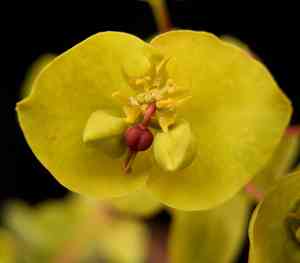
Spurge (Euphorbia chamaesyce)
Also known as: Spotted Spurge, Prostrate Spurge
Euphorbia chamaesyce, commonly known as spurge, is indigenous to southern North America. It thrives in various soil types, provided it has plenty of sunlight. Frequently, it appears as a weed in gardens and has spread to many regions worldwide.
In This Article
Attributes of Spurge
Lifespan
Annual
Plant Type
Herb
Plant Height
5 cm to 8 cm
Spread
40 cm
Leaf Color
Green with a central dark spot
Flower Size
2 mm
Flower Color
White Red
Images of Spurge
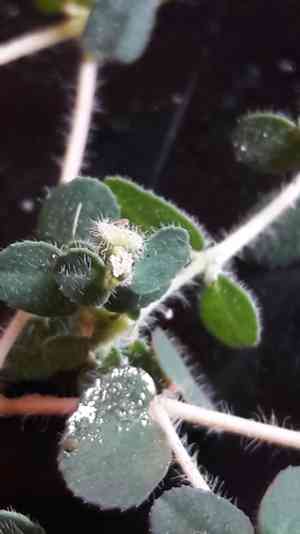
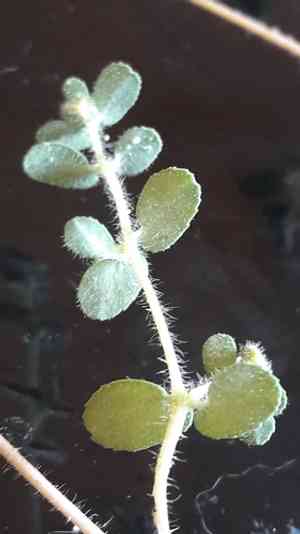
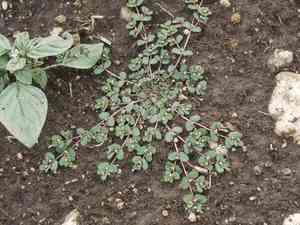
Quickly Identify Spurge
1
Euphorbia chamaesyce can be identified by its prostrate growth form, opposite leaves with a dark spot in the center, and milky sap. The leaves are small and oval, and the plant produces tiny, inconspicuous flowers in the leaf axils.
Scientific Classification of Spurge
Phylum
Vascular plants
Class
Dicotyledons
Order
Malpighiales
Family
Spurge
Genus
Spurges
Species
Spurge
Planting and Growing of Spurge
Care Difficulty
Easy
Watering Schedule
Every 2 days
Sunlight Requirements
Full sun
Sunshine Duration
6-10 hours
Ideal Temperature
68-77℉
Soil Type
Potting Mix, Peat Mix
Soil pH
6.5-7.5
Fertilizer Type
Balanced
Pruning Season
Spring, Summer
Pruning Area
Branches, Leaves
Pruning Frequency
2 times a year
Repotting Season
Spring
Pot Type
Plastic, Ceramic
 How to Water Spurge?
For Euphorbia chamaesyce, the ideal watering amount is around 100 milliliters per session. Ensure that the soil is evenly moist but not waterlogged. The goal is to let the top layer of soil dry out slightly between waterings, while the deeper soil remains lightly moist. This approach mimics the natural habitat, where the plant receives irregular but significant moisture.
What are the symptoms of an underwatered Spurge?
›
What should I do if my Spurge is not getting enough water?
›
What are the symptoms of an overwatered Spurge?
›
How to save an overwatered Spurge?
›
 What Are the Sunlight Requirements for Spurge?
Euphorbia chamaesyce is best suited to half-day to full-day sunlight. Providing this ensures robust growth, vibrant foliage, and optimal health, enhancing its overall aesthetic appeal.
More About Sunlight Requirements Techniques→
What type of sunlight does Euphorbia chamaesyce prefer?
›
How can I ensure Euphorbia chamaesyce receives ideal sunlight exposure?
›
What are the benefits of Euphorbia chamaesyce receiving ideal sunlight?
›
 What Is the Ideal Temperature Range for Spurge?
Euphorbia chamaesyce thrives best in a warm climate. The ideal temperature range for its growth is between 68°F and 77°F. This temperature range allows the plant to absorb nutrients efficiently, facilitates photosynthesis, and supports robust growth. Maintaining this range ensures optimal hydration and cellular function, which are critical to the plant's health.
 What Soil is Best for Spurge?
Euphorbia chamaesyce thrives best in well-drained soils that prevent water from accumulating around the roots. This helps promote healthy root development and reduces the chance of root rot, a common issue with other Euphorbia species in poorly drained environments. Although not overly demanding for nutrients, Euphorbia chamaesyce benefits from a soil that has moderate levels of organic matter. This provides essential growth nutrients without risking over-fertilization, allowing the plant to thrive without constant intervention. This plant exhibits a tolerance for slightly alkaline soils, which allows it to grow in a variety of environmental conditions. This versatility is particularly advantageous for gardeners who may not have naturally acidic soil.
 How to Fertilize Spurge?
Euphorbia chamaesyce requires a balanced approach to fertilizers, as excessive nutrients can harm the plant. Use a diluted liquid fertilizer with a ratio such as 10-10-10 or 20-20-20. Apply only when the plant shows active growth, ensuring that the mix is half the recommended strength on the fertilizer package. Avoid direct contact with stems and leaves to prevent fertilizer burn.
 How to Prune Spurge?
Begin by identifying the areas that require pruning. Look for any leggy stems, dead leaves, or damaged branches. It's best to target these parts first as they can hinder the plant's overall health. By cutting them away, you promote healthier growth and a more appealing plant structure. When you're ready to prune Euphorbia chamaesyce, ensure that your tools are sharp and clean. This will help make clean cuts and minimize any stress to the plant. Sharp tools reduce the risk of spreading diseases, and they make the pruning process more efficient. While pruning, follow the natural shape of the plant. This helps in maintaining its aesthetic appeal. Make cuts just above a node or a healthy leaf set to encourage new growth in the spots where you want the plant to fill out.
More About Pruning Techniques→
 How to Propagate Spurge plant?
1
Start by filling a seed tray with seedling mix. Sow the seeds thinly and cover them with a light layer of soil. Water gently and keep the soil consistently moist but not waterlogged.
2
Select a healthy stem from the mother plant and cut a 4-6 inch piece using a sterile knife. Remove the leaves from the lower portion and dip the cut end into rooting hormone powder to encourage root growth.
3
Plant the prepared cutting into a pot filled with well-draining potting mix. Firm the soil around the base and water lightly. Place the pot in a bright, indirect light location.
 How to Repot Spurge plant?
1
Euphorbia chamaesyce should be repotted when you notice roots emerging from the drainage holes of its current pot or when the plant seems to be growing poorly. Spring or early summer is ideal, as the plant is in its active growth phase, allowing it to adapt more easily to the new pot environment.
2
Select a pot that is about 20% larger in diameter than the current one, with effective drainage holes. A terracotta pot is ideal as it allows moisture to evaporate, preventing root rot. The increased size provides space for root expansion, promoting the plant's health and growth.
3
Opt for a well-draining cactus mix, which can include perlite, coarse sand, and peat. This combination ensures that excess water does not accumulate around the roots, reducing the risk of rot while providing essential nutrients for the plant's growth.
Toxicity
Ingestion, Dermal contact
WARNING
The judgment on toxicity and danger is for reference only. We DO NOT GUARANTEE any accuracy of such judgment. Therefore, you SHALL NOT rely on such judgment. It is IMPORTANT TO SEEK PROFESSIONAL ADVICE in advance when necessary.
Learn More About Spurge Diseases
Anthracnose
Bacterial Leaf Spot
Bacterial Soft Rot
Chemical Injury
Crown Gall
Cyst Nematode
Damping-off
Downy Mildew
Drought Stress
Fusarium Wilt
Gray Mold
Leaf Curl
Leaf Spot
Mosaic
Nutrient Deficiency
Nutrient Toxicity
Powdery Mildew
Root Rot
Root-knot Nematode
Rusts
Sooty Mold
Spider Mites
Temperature Stress
Thrips Damage
White Mold



