How to Prune Smallflower thoroughwort?
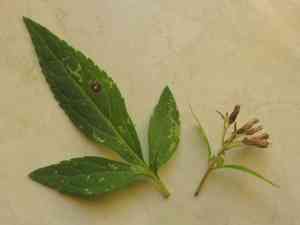
Eupatorium parviflorum features tiny white blossoms and toothed foliage. Perform trimming in early spring or summer to eliminate deceased or frail stalks, stimulate robust development, and preserve an attractive form. Snip off faded blooms to encourage additional flowering. Employing sanitized, sharp implements is essential to avert illness. Consistent trimming improves air circulation and prevents excessive density, lowering the likelihood of fungal problems. Choose moderate annual pruning to ensure the plant remains strong and flourishing.
What Are the Benefits of Pruning Smallflower Thoroughwort?
What Are the Benefits of Pruning Smallflower Thoroughwort?
Smallflower thoroughwort benefits from trimming by growing more vigorously and keeping a manageable form. Regular trimming improves its overall look, promotes healthier development, and helps resist pests and diseases, ensuring the plant thrives in a garden setting.
What Is the Best Time for Pruning Smallflower Thoroughwort?
What Is the Best Time for Pruning Smallflower Thoroughwort?
Trimming smallflower thoroughwort in the spring and summer is optimal as it aligns with the plantâs growth cycle. During these periods, smallflower thoroughwort is actively developing, allowing it to recover quickly from pruning. Additionally, spring pruning ensures the plant maintains a good structure and encourages more robust growth. Summer trimming aids in controlling the plant's shape and removing any dead or damaged stems after the peak growing phase. Pruning during these times also avoids disrupting the plant during its flowering or fruiting, ensuring that smallflower thoroughwort remains healthy and vigorous.
What Tools Do I Need to Prune Smallflower Thoroughwort?
Bypass Pruners
Perfect for precise cuts on living stems and branches up to 1/2 inch in diameter, ensuring clean cuts that heal rapidly.
Anvil Pruners
Recommended for removing dead or dry stems, providing an effective tool for handling tougher, woody parts of smallflower thoroughwort.
Pruning Shears
Useful for detailed trimming of smaller, softer stems and foliage, maintaining the overall shape and health of smallflower thoroughwort.
Pruning Saw
Essential for cutting thicker branches that may need removal, typically those larger than 1 inch in diameter.
How to Prune Smallflower Thoroughwort
Identify
Start by inspecting smallflower thoroughwort to locate any diseased leaves, withered leaves, or diseased stems. Pay close attention to changes in color, spots, or wilting.
Sanitize
Disinfect your pruning tools with a solution of one-part bleach to nine-parts water to prevent the spread of disease.
Remove diseased leaves
Carefully trim diseased leaves at their base where they connect to the stem. Ensure complete removal to prevent any potential spread.
Remove withered leaves
Remove withered leaves by cutting them off at their base. Note any patterns that might suggest broader issues such as insufficient watering.
Remove diseased stems
Trim diseased stems back to healthy tissue, making a clean cut just above a node or leaf junction to promote healthy regrowth.
Common Pruning Mistakes with Smallflower Thoroughwort
Improper technique
Using dull tools or incorrect cutting angles can result in ragged cuts, leading to stress and potential disease in smallflower thoroughwort. Always use sharp, clean tools and make cuts at a 45-degree angle.
Over-pruning
Removing too much foliage at once can weaken smallflower thoroughwort and hinder its ability to photosynthesize effectively. Aim to prune no more than one-third of the plant at a time.
Forgetting to sterilize tools
Failing to clean pruning tools between cuts or before use can spread diseases. Sterilize your tools with a solution of one part bleach to nine parts water to prevent contamination.
Common Pruning Tips for Smallflower Thoroughwort
Use quality tools
Invest in sharp, high-quality pruners or shears to make clean cuts. This helps minimize plant stress and reduce the risk of infections.
Cut above a node
When pruning, make cuts just above a leaf node or bud to encourage new growth. Avoid leaving stubs, which can attract pests and diseases.
Remove dead or damaged stems
Prioritize cutting away any dead, diseased, or damaged stems to promote overall plant health and direct energy to healthy growth.
Thin out crowded areas
Trim selectively to allow better air circulation and light penetration, which helps prevent mold and mildew. This also encourages more robust flowering.
Step back and assess
Periodically step back and evaluate the plantâs shape and health while pruning. This ensures a balanced and aesthetically pleasing plant structure.



