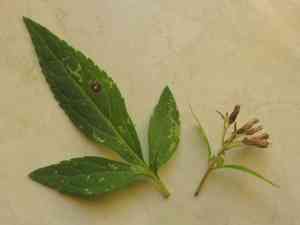
Smallflower thoroughwort (Eupatorium semiserratum)
Also known as: Smallflower thoroughwort
Eupatorium semiserratum, also known as smallflower thoroughwort, resembles Eupatorium linearifolium but is distinguished by its smaller flower heads and stems that branch near the tips instead of the base. Plants once identified as Eupatorium glaucescens or Eupatorium cuneifolium are now classified under either E. semiserratum or E. linearifolium.
In This Article
Attributes of Smallflower thoroughwort
Lifespan
Perennial
Plant Type
Herb
Plant Height
40-120 cm
Spread
Approximately 30-60 cm
Leaf Color
Green
Flower Size
Approximately 0.5-1 cm
Flower Color
White
Images of Smallflower thoroughwort
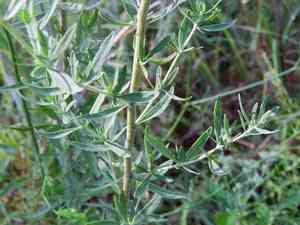
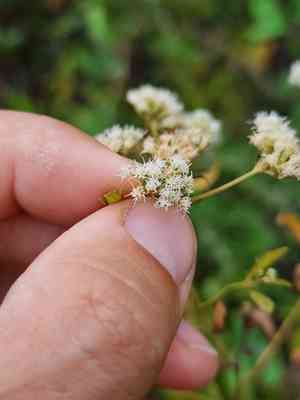
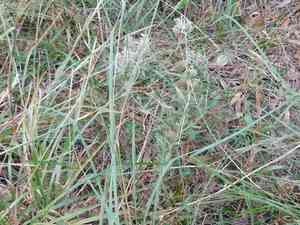
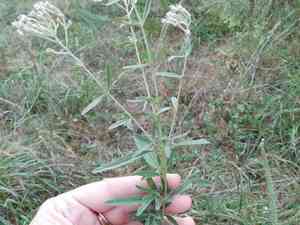
Quickly Identify Smallflower thoroughwort
1
Look for a perennial herb that grows 40 to 120 cm tall, with opposite, serrated leaves and small white florets arranged in clusters.
Scientific Classification of Smallflower thoroughwort
Phylum
Vascular plants
Class
Dicotyledons
Order
Asterales
Family
Daisy
Genus
Bonesets
Species
Smallflower thoroughwort
Planting and Growing of Smallflower thoroughwort
Care Difficulty
Easy
Watering Schedule
Every 4 days
Sunlight Requirements
Partial sun
Sunshine Duration
6-10 hours
Ideal Temperature
60-75℉
Soil Type
Potting Mix, Peat Mix
Soil pH
6-7.5
Fertilizer Type
Balanced
Pruning Season
Spring, Summer
Pruning Area
Branches, Leaves
Pruning Frequency
2 times a year
Repotting Season
Spring
Pot Type
Plastic, Ceramic
 How to Water Smallflower thoroughwort?
Eupatorium semiserratum, known for its robust growth, requires careful watering. Ensure the soil is moist but not waterlogged. Water until the top inch of soil is wet, approximately 500 ml for a medium-sized pot.
What are the symptoms of an underwatered Smallflower thoroughwort?
›
What should I do if my Smallflower thoroughwort is not getting enough water?
›
What are the symptoms of an overwatered Smallflower thoroughwort?
›
How to save an overwatered Smallflower thoroughwort?
›
 What Are the Sunlight Requirements for Smallflower thoroughwort?
Partial to full sun exposure facilitates optimal growth and flowering. Ensuring the plant receives balanced exposure prevents malformations, supports lush foliage, and boosts flowering potential.
Solving Approach
›
Practical Measures
›
Achieving Benefits
›
 What Is the Ideal Temperature Range for Smallflower thoroughwort?
Eupatorium semiserratum thrives best in temperatures ranging from 60°F to 75°F. This range ensures that the plant can adequately perform photosynthesis and maintain its metabolic activities without stress. Maintaining temperatures within this range can lead to optimal growth and blooming.
 What Soil is Best for Smallflower thoroughwort?
Well-drained soil is essential for Eupatorium semiserratum as it prevents root rot, ensuring the plant has a healthy, robust growth. Good drainage allows for proper aeration and moisture balance. A rich nutrient composition is crucial for promoting vigorous growth and flowering in Eupatorium semiserratum. Soils enriched with organic matter provide essential nutrients needed for its development. The ability to retain moisture without becoming waterlogged is key for this plant. Soils that can maintain adequate moisture levels support consistent growth and flourishing of the plant.
 How to Fertilize Smallflower thoroughwort?
Eupatorium semiserratum prefers a balanced amount of nutrients to thrive. Use about a quarter of the recommended dose for liquid fertilizers for houseplants or perennials. This ensures that the plant receives enough nutrients without overwhelming its root system.
 How to Prune Smallflower thoroughwort?
Begin by identifying mature stems that are healthy and strong. These stems will typically be more woody and less green than younger growth. Removing excess young growth promotes sturdier development. Ensure that your pruning shears or scissors are clean and sharp to make precise cuts. This helps minimize damage to the plant and decreases the risk of disease introduction through wounds. Always prune just above a leaf node or joint. This promotes new growth outward from the node and helps maintain a desirable bushy shape. Cutting too far above a node can lead to dieback and an unsightly appearance.
More About Pruning Techniques→
 How to Propagate Smallflower thoroughwort plant?
1
Collect seeds from mature plants, clean them, and sow them into a prepared flat or container filled with a seed-starting mix. Ensure proper moisture by gentle watering.
2
Use pruning shears to cut a healthy stem, about 4-6 inches long, just below a node. Remove any leaves from the lower half before planting it into a growing medium.
3
Carefully dig up the entire plant and gently separate the clumps into smaller sections, each having its own roots. Replant these sections into the garden or pots immediately.
 How to Repot Smallflower thoroughwort plant?
1
Eupatorium semiserratum needs repotting when you notice roots emerging from drainage holes or water sitting on the soil surface due to poor drainage. Another sign is when the plant appears top-heavy or stops growing. Spring and autumn are ideal times as the plant is less stressed and can easily recover from repotting.
2
Select a pot that is about 2 inches larger in diameter than the current one. Clay pots are great as they allow moisture to evaporate, preventing waterlogging. Ensure it has drainage holes to prevent root rot. A well-chosen pot aids in healthy growth and stability, providing roots with ample space to expand.
3
Opt for a well-draining loamy soil mix that supports both nutrient retention and water drainage. This soil mix prevents waterlogging, which can cause root rot, while ensuring the roots get adequate oxygen. Fertile and slightly acidic, it boosts the plant's overall health and growth.
Toxicity
Ingestion
WARNING
The judgment on toxicity and danger is for reference only. We DO NOT GUARANTEE any accuracy of such judgment. Therefore, you SHALL NOT rely on such judgment. It is IMPORTANT TO SEEK PROFESSIONAL ADVICE in advance when necessary.
Learn More About Smallflower thoroughwort Diseases
Anthracnose
Bacterial Leaf Spot
Bacterial Wilt
Chemical Injury
Crown Gall
Cyst Nematode
Damping-off
Downy Mildew
Drought Stress
Fusarium Wilt
Gray Mold
Leaf Curl
Leaf Spot
Mosaic
Nutrient Deficiency
Nutrient Toxicity
Powdery Mildew
Root Rot
Root-knot Nematode
Rusts
Sooty Mold
Spider Mites
Temperature Stress
Thrips Damage
White Mold



