How to Propagate Smallflower thoroughwort?
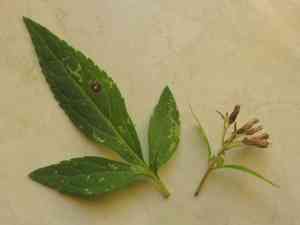
Eupatorium coelestinum flourishes in damp, adequately drained ground typically present in grasslands and beside thoroughfares. To propagate, utilize semi-hardwood cuttings gathered in the latter part of spring. Confirm that cuttings possess multiple nodes and immerse them in rooting compound prior to embedding in a blend of sand and peat. Sustain elevated humidity and diffused illumination until root structures emerge. Appropriate tending yields a robust, simple-to-cultivate specimen that aids indigenous pollinators.
Optimal Time for Smallflower Thoroughwort Propagation
Propagation Method
Cutting
Propagation Period
Spring,Summer
Tools Required for Smallflower Thoroughwort Propagation
Pruning Shears
High-quality pruning shears are crucial for making clean, precise cuts when taking stem cuttings from smallflower thoroughwort. Clean cuts minimize disease risk and plant damage, ensuring healthier, more viable cuttings.
Rooting Hormone
Applying rooting hormone to the cut stem ends encourages root development and boosts the success rate of smallflower thoroughwort propagation. This is especially helpful given the plant's potentially slow rooting tendency.
Propagation Trays
Propagation trays offer a controlled environment for cuttings to root and establish. They facilitate proper drainage and provide ample space for root growth, which is vital for young smallflower thoroughwort plants.
Humidity Dome
A humidity dome is placed over propagation trays to maintain high humidity, preventing cuttings from drying out and creating ideal conditions for root formation.
Sterilized Potting Mix
A sterilized potting mix is used to prevent introducing pathogens that could harm developing smallflower thoroughwort cuttings. The mix should drain well yet retain sufficient moisture for root growth.
Mist Sprayer
A mist sprayer helps keep the foliage of cuttings moist, reducing plant stress and supporting overall health during the propagation process. Regular misting ensures consistent moisture levels.
Propagating Smallflower Thoroughwort: A Guide
Propagation Difficulty
Easy
Post-Propagation Care for Smallflower Thoroughwort
Post-Propagation Care for Smallflower Thoroughwort
Once cuttings have developed a robust root system, typically after several weeks to a couple of months, gradually introduce them to outdoor conditions if they began indoors. Transplant them to their permanent spot in well-draining soil, and water consistently until established. Prune occasionally to maintain shape and encourage bushier growth. Ensure the plant receives dappled sunlight or partial shade and protect it from harsh weather.
Common Errors to Avoid When Propagating Smallflower Thoroughwort
Over-watering
Excessive watering can lead to root rot, which damages the root system and can ultimately kill the plant.
Poor soil drainage
Using soil that doesn't drain well can cause water to accumulate around the roots, leading to root rot and poor plant health.
Inadequate light
Propagating smallflower thoroughwort in low light conditions can result in weak, leggy growth and reduced propagation success.
Incorrect cutting type
Using the wrong type of cuttings, such as old or diseased stems, can lead to unsuccessful propagation attempts.
Neglecting sterilization
Failing to sterilize cutting tools can introduce diseases to the cuttings, hindering their ability to grow and thrive.
Advice for Propagating Smallflower Thoroughwort
Use well-draining soil
Provide a soil mix that drains effectively to prevent waterlogging and root rot. A blend of potting soil and sand or perlite is effective.
Proper watering technique
Water cuttings sparingly to keep the soil moist but not saturated. Allow the top layer of soil to dry slightly between waterings.
Provide adequate light
Place cuttings in a location with bright, indirect light to promote healthy growth and strong roots.
Select healthy cuttings
Choose healthy, young stems for cuttings, ideally those free of disease and pests, to improve propagation success.
Sterilize cutting tools
Ensure cutting tools are clean and sterilized before use to prevent the spread of diseases to the cuttings.



