How to Prune Lobed-leaf stingbush?
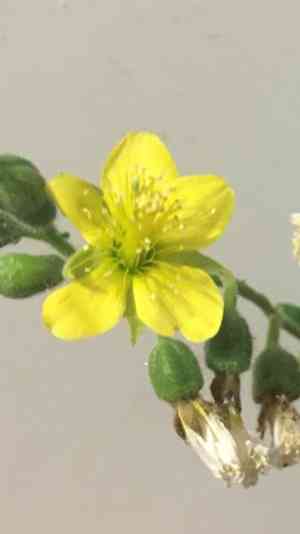
Lobed-leaf stingbush is recognized for its characteristic lobed foliage and mildly irritating bristles. The most suitable times for trimming are late winter and early spring, coinciding with its inactive and initial growth stages. Essential methods involve excising dead, compromised, or infected branches to foster robust development. Trimming also aids in preserving its form and stimulating denser leaves. It is advisable to use gloves because of the plant's stinging hairs. Consistent pruning improves air movement and diminishes the likelihood of infestations and illnesses.
What Are the Benefits of Pruning Lobed-leaf Stingbush?
What Are the Benefits of Pruning Lobed-leaf Stingbush?
Lobed-leaf stingbush thrives with pruning, leading to vigorous growth, improved shape, and enhanced resistance to pests and diseases. Proper trimming boosts flowering, keeps the plant a manageable size, and improves its overall look.
What Is the Best Time for Pruning Lobed-leaf Stingbush?
What Is the Best Time for Pruning Lobed-leaf Stingbush?
Pruning lobed-leaf stingbush in late winter or early spring is optimal, coinciding with its dormant phase. During this period, lobed-leaf stingbush is not actively growing, which minimizes pruning stress and disease risk. Additionally, trimming before new spring growth ensures the plant has a full season to recover and flourish, promoting robust health and abundant blooms or fruit.
What Tools Do I Need to Prune Lobed-leaf Stingbush?
Bypass Pruners
Perfect for making precise cuts on young, soft stems and branches of lobed-leaf stingbush, preventing plant damage.
Anvil Pruners
Suitable for tougher or dead branches where a perfectly clean cut is less critical.
Pruning Saw
Useful for cutting through thicker, woody branches that pruners might not handle effectively.
Loppers
Offer increased leverage for cutting medium-sized branches, reducing strain and ensuring more accurate cuts.
Gloves
Essential for protection against the stinging hairs on lobed-leaf stingbush, ensuring safer handling during pruning.
How to Prune Lobed-leaf Stingbush
Inspect
Thoroughly examine lobed-leaf stingbush to identify diseased and withered leaves requiring removal. Use clean tools to prevent pathogen spread.
Tool preparation
Gather and sanitize pruning shears or scissors, ensuring they are sharp and clean. This prevents further damage or disease introduction.
Prune diseased
Carefully remove leaves showing disease symptoms. Cut at the base of the leaf stem, near its attachment to a healthy plant part.
Remove withered
Snip off all withered or dead leaves, again making close cuts to the healthy part of lobed-leaf stingbush to improve air circulation and light penetration.
Disposal
Collect all pruned material and dispose of it properly away from the garden area to prevent disease spread. Do not compost diseased leaves.
Common Pruning Mistakes with Lobed-leaf Stingbush
Over-pruning
A common error is removing too much of the plant at once. Excessive pruning can stress lobed-leaf stingbush, potentially leading to reduced growth or flowering.
Improper tool use
Using dull or dirty pruning tools can create jagged cuts, increasing susceptibility to disease and pest infestations. Always use sharp, clean tools for precise cuts.
Incorrect cutting angles
Improper cutting angles can harm the plant, hindering its natural healing. Always make cuts at a 45-degree angle to promote proper healing and growth.
Random pruning
Cutting branches without a clear strategy can result in a misshapen plant and impede healthy growth. A well-thought-out plan is crucial to maintain the plant's natural form.
Common Pruning Tips for Lobed-leaf Stingbush
Assess the plant
Before starting, take time to evaluate lobed-leaf stingbush, identifying any dead, diseased, or damaged branches that need to be removed first.
Start small
Especially for new gardeners, it's wise to begin pruning cautiously. Trim a little at a time, ensuring you don't remove more than necessary.
Focus on airflow
Promoting good airflow through the plant is vital for disease prevention. Thin out dense areas to enhance light penetration and air circulation.
Use the right tools
Utilize clean, sharp pruning shears or loppers for precise cuts. Disinfect tools between cuts if the plant shows disease signs to avoid spreading pathogens.
Cut above a node
When pruning lobed-leaf stingbush, always cut just above a node (the point where a leaf joins a stem). This encourages new growth and helps maintain the plant's structure.



