How to Propagate Lobed-leaf stingbush?
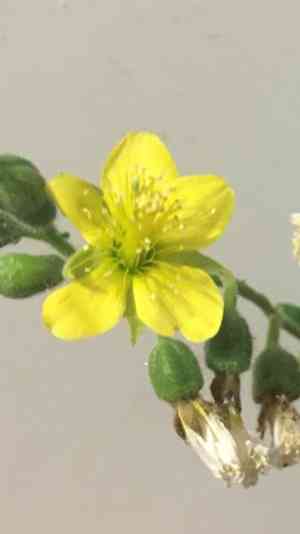
Lobed-leaf stingbush flourishes in adequately draining substrate under consistent solar exposure. For propagation via seeding, embed seeds in a specially prepared plot featuring sandy, coarse earth, guaranteeing proper water runoff. Gently conceal the seeds and sustain uniform dampness until sprouting occurs. Relocate the young plants once they possess sufficient resilience for handling. Continuously inspect for infestations and ailments to foster robust development. Multiple references corroborate that these techniques improve successful propagation.
When Is the Best Time to Propagate Lobed-leaf Stingbush?
Propagation Method
Seeding
Propagation Period
Spring
What Tools Are Used for Lobed-leaf Stingbush Propagation?
Seed Tray
A seed tray offers a controlled setting for lobed-leaf stingbush seeds to sprout. It's vital for maintaining moisture levels and preventing seed loss. Utilizing a seed tray helps ensure uniform seed spacing, which encourages robust root development.
Seedling Heat Mat
A seedling heat mat is essential for maintaining the ideal temperature for lobed-leaf stingbush seed germination. This is especially important for consistent and quicker sprouting, particularly in cooler climates. The heat mat provides a steady, gentle warmth from below, which promotes seedling growth.
Seedling Dome
A seedling dome aids in creating a humid environment beneficial for the germination of lobed-leaf stingbush seeds. It retains moisture and warmth, accelerating the germination process and safeguarding young seedlings from drying out.
Sterile Potting Mix
Employing a sterile potting mix reduces the risk of disease and pests affecting lobed-leaf stingbush seedlings. It provides a clean, well-draining medium that supports healthy root development and lessens competition from weeds or contaminants.
Spray Bottle
A spray bottle is crucial for gently misting the soil and young lobed-leaf stingbush seedlings. This prevents disturbance of seeds and ensures even moisture distribution, promoting uniform germination and reducing the risk of overwatering.
Labels and Permanent Marker
Labels and a permanent marker are used to track the various stages of lobed-leaf stingbush propagation. This assists in monitoring progress and prevents any confusion with other plants. Clear labeling is vital for proper documentation and care routines.
Garden Trowel
A garden trowel is useful for transplanting lobed-leaf stingbush seedlings once they are ready to be moved to larger containers or into the garden. It helps in carefully lifting seedlings to avoid root damage, ensuring a smooth transition to their new growing environment.
How to Propagate Lobed-leaf Stingbush?
Propagation Difficulty
Simple
How to Care for Your Newly Propagated Lobed-leaf Stingbush?
How to Care for Your Newly Propagated Lobed-leaf Stingbush?
After transplanting, lobed-leaf stingbush requires consistent watering to keep the soil moist but not waterlogged. Gradually introduce the plants to full sun exposure, as they prefer bright light conditions. Ensure good air circulation to prevent fungal diseases and check for pests like aphids or spider mites. Fertilize the plants with a balanced, water-soluble feed every 4-6 weeks during the growing season to support healthy development.
Common Mistakes to Avoid When Propagating Lobed-leaf Stingbush
Overwatering
Excessive irrigation can lead to root rot, which is detrimental to lobed-leaf stingbush's growth and overall health.
Insufficient Light
Not providing enough light will result in weak, leggy seedlings that struggle to thrive.
Wrong Soil Type
Using soil that doesn't drain well can cause waterlogging, harming the roots and preventing proper growth.
Incorrect Stratification
Failure to properly stratify seeds can result in poor germination rates and weak seedlings.
Improper Handling
Rough handling during transplantation can damage delicate roots and stems, stunting future growth.
Tips For Propagating Lobed-leaf Stingbush
Adequate Drainage
Use well-draining soil to prevent waterlogging and root rot, ensuring healthy root development.
Optimal Light
Provide ample, indirect sunlight to promote strong and healthy growth while avoiding scorching the leaves.
Stratify Seeds
Properly stratify the seeds before planting to enhance germination rates and produce robust seedlings.
Gentle Transplantation
Handle seedlings with care during transplantation to avoid damaging fragile roots and stems, promoting successful establishment in their new environment.



