How to Prune Brewer's aster?
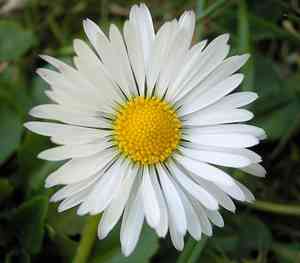
Symphyotrichum breweri, a perennial herb recognized for its appealing daisy-like blossoms, thrives with trimming to preserve its form and vitality. Essential methods involve removing faded flowers to foster extended blooming and reducing the plant by as much as one-third in late winter or early spring to stimulate fresh development. Exercise caution to prevent extensive cutting during the peak flowering period. Consistent trimming can improve air movement, lower the chance of illness, and encourage a more robust specimen.
What Are the Benefits of Pruning Brewer's Aster?
What Are the Benefits of Pruning Brewer's Aster?
Brewer's aster thrives with trimming, promoting vigorous growth and maintaining its form. This fosters robust development, enhances blooms, manages its size, and boosts resistance to pests and diseases.
What Is the Best Time for Pruning Brewer's Aster?
What Is the Best Time for Pruning Brewer's Aster?
Trimming brewer's aster in early spring or late winter is considered ideal due to several factors aligning with its growth cycle. First, brewer's aster's dormant period in late winter allows for pruning without causing undue stress. During this time, the plant's energy reserves are primarily in the roots, minimizing damage risk to vital parts. As the weather warms in early spring, brewer's aster enters its active growth phase. Pruning then encourages strong new growth and prepares brewer's aster for its flowering season, improving air circulation and light penetration. Additionally, pruning before new buds form ensures potential flowers aren't accidentally removed, enhancing brewer's aster's overall health and bloom quality.
What Tools Do I Need to Prune Brewer's Aster?
Hand pruners
Perfect for making precise cuts on brewer's aster's stems and small branches up to 3/4 inch thick. They offer accuracy and minimize plant harm.
Pruning shears
Useful for larger stems and branches that hand pruners can't handle, typically up to 1 inch in diameter. They ensure clean cuts and are easy to use for detailed work.
Loppers
Essential for cutting thicker branches, up to 2 inches in diameter. They provide the necessary leverage for clean cuts without harming the plant.
Bypass pruners
Recommended for routine pruning, ensuring clean cuts and minimizing tissue damage. Ideal for maintaining brewer's aster's shape and health.
Pruning saw
Needed for any larger or tougher branches that loppers cannot manage. The saw ensures a clean cut without tearing plant tissue.
How to Prune Brewer's Aster
Inspection
Regularly check brewer's aster for any indications of diseased or withered foliage.
Tools preparation
Clean and sanitize your pruning shears to prevent the spread of harmful pathogens.
Remove diseased leaves
Carefully trim diseased leaves at their base, ensuring you cut back to healthy plant tissue.
Remove withered leaves
Snip off any withered leaves close to the stem, being careful not to damage healthy sections.
Disposal
Properly discard the removed leaves to prevent fungal spores or diseases from infecting nearby plants.
Common Pruning Mistakes with Brewer's Aster
Improper Technique
Many gardeners prune either too much or too little. Over-pruning can weaken brewer's aster, while under-pruning may not promote desired growth and flowering.
Wrong Tools
Using dull or unsuitable tools can result in jagged cuts, increasing the risk of disease and pest infestations.
Excessive Pruning
Removing too much foliage or stems at once can stress brewer's aster and hinder its ability to photosynthesize effectively.
Ignoring Dead or Diseased Parts
Failing to remove dead or diseased branches promptly can lead to the spread of pathogens to healthy parts of brewer's aster.
Cutting Incorrectly
Improper cut angles or cuts too close to the main stem can damage brewer's aster and cause sections to die back.
Common Pruning Tips for Brewer's Aster
Sanitize Tools
Always sanitize pruning tools before use to prevent disease spread. Use a solution of one part bleach to nine parts water or a specialized garden disinfectant.
Use Sharp Tools
Ensure all pruning tools are sharp to make clean cuts, reducing damage and disease risk.
Prune Strategically
Focus on removing dead, damaged, or diseased stems first. Also, aim to remove any crossing branches to improve airflow and light penetration.
Limit Each Pruning Session
Only remove about one-third of brewer's aster in a single pruning session to avoid excessive stress and encourage healthy regrowth.
Make Clean Cuts
Make cuts at a slight angle about 1/4 inch above an outward-facing bud to promote outward and upward growth, ensuring water does not collect on the cut surface.



