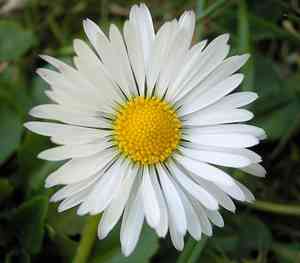
Brewer's aster (Eucephalus breweri)
Also known as: Brewer's aster
Eucephalus breweri, also known as Brewer's aster, is a perennial herb that emerges from a woody base and can reach heights ranging from 10 centimeters to 1 meter. The stems are generally upright, featuring a covering of woolly fibers and resin glands. Its inflorescence consists of multiple flower heads that contain numerous yellow disc florets, but notably lack ray florets.
In This Article
Attributes of Brewer's aster
Lifespan
Perennial
Plant Type
Herb
Plant Height
50-100 cm
Spread
Not generally applicable as it grows in clusters
Leaf Color
Green
Flower Size
2-4 cm
Flower Color
Purple to lavender
Images of Brewer's aster
Quickly Identify Brewer's aster
1
Brewer\'s aster can be identified by its tall, erect stem which can reach up to 1 meter in height, its lance-shaped leaves, and its flower heads that are typically purple to lavender in color with a yellow center.
Scientific Classification of Brewer's aster
Phylum
Vascular plants
Class
Dicotyledons
Order
Asterales
Family
Daisy
Genus
Aster
Species
Brewer's aster
Planting and Growing of Brewer's aster
Care Difficulty
Moderate
Watering Schedule
Every 3 days
Sunlight Requirements
Partial sun
Sunshine Duration
4-6 hours
Ideal Temperature
60-75℉
Soil Type
Potting Mix, Peat Mix
Soil pH
6.5-7.5
Fertilizer Type
Balanced
Pruning Season
Spring, Summer
Pruning Area
Branches, Leaves
Pruning Frequency
2 times a year
Repotting Season
Spring
Pot Type
Plastic, Ceramic
 How to Water Brewer's aster?
Eucephalus breweri thrives when watered thoroughly but infrequently. A good rule of thumb is to provide approximately 200 ml of water. Make sure to soak the soil until the excess starts draining from the bottom, ensuring that the root zone is adequately moistened without waterlogging.
What are the symptoms of an underwatered Brewer's aster?
›
What should I do if my Brewer's aster is not getting enough water?
›
What are the symptoms of an overwatered Brewer's aster?
›
How to save an overwatered Brewer's aster?
›
 What Are the Sunlight Requirements for Brewer's aster?
Partial sun, ensuring Eucephalus breweri thrives by receiving filtered light and periodic direct exposure, supports its growth and encourages lush foliage development.
What are the best lighting conditions for Eucephalus breweri?
›
Why does Eucephalus breweri need partial sun?
›
How can I provide optimal light for Eucephalus breweri?
›
 What Is the Ideal Temperature Range for Brewer's aster?
Eucephalus breweri thrives best in temperatures ranging from 60°F to 75°F. This range ensures optimal metabolic processes and healthy growth. Maintaining this temperature range supports active photosynthesis and nutrient absorption, creating ideal conditions for robust development and vibrant foliage.
 What Soil is Best for Brewer's aster?
Eucephalus breweri thrives in well-draining soil which prevents root rot and other fungal diseases. The aeration provided by such soil types ensures that the plant’s roots receive adequate oxygen, promoting healthy root development. While not overly demanding, Eucephalus breweri benefits from moderately fertile soil enriched with organic matter. This supports its growth and flowering, providing the necessary nutrients for vibrant health. This plant should be grown away from heavy clay soils which can retain excessive water, suffocating the roots and causing root diseases. Sandy or loamy soils are more appropriate, ensuring both stability and drainage.
 How to Fertilize Brewer's aster?
Eucephalus breweri requires moderate fertilization. For liquid fertilizers, use a diluted solution at half the recommended strength. When using slow-release fertilizers, apply about 1 tablespoon evenly around the base of the plant. Too much can be harmful, so it's important to follow the recommended amounts carefully.
 How to Prune Brewer's aster?
Begin by cutting back any spindly or dead stems. Focus on shaping the plant to encourage outward growth, which will help it maintain a bushy appearance. Trim back about a third of the healthy growth to promote vigorous new development. Be careful not to over-prune your Eucephalus breweri. Excessive removal of healthy branches can stress the plant and reduce its flowering potential for the next season.
More About Pruning Techniques→
 How to Propagate Brewer's aster plant?
1
Collect mature seeds from Eucephalus breweri in late autumn. Ensure that the seeds are fully ripe before harvesting, as this increases their viability for propagation.
2
Use a well-draining soil mix or a seed-starting mix. Prior to sowing seeds or planting cuttings, ensure the soil is moistened slightly but not waterlogged, which can prevent root rot.
3
In early spring, select healthy, non-flowering stems for propagation. Cut the stems at a 45-degree angle to maximize water uptake and remove any leaves from the lower half of the cuttings.
 How to Repot Brewer's aster plant?
1
Recognizing the perfect time to repot Eucephalus breweri involves spotting signs like roots growing through drainage holes or the plant becoming top-heavy. These indicators suggest the plant has outgrown its current pot and needs more room to flourish. Spring is generally the ideal season, as the growing conditions are optimal, allowing the plant to recover swiftly from the repotting process and continue its growth cycle without major interruptions.
2
Selecting an appropriate pot for Eucephalus breweri is crucial. Opt for a container that is one size larger than the current pot, ensuring it has sufficient drainage holes to prevent waterlogging. A well-chosen pot aids in maintaining the right humidity levels around the roots and provides adequate space for root expansion. This not only boosts growth but also minimizes the risk of root rot, thereby promoting a robust and healthy plant.
3
For Eucephalus breweri, the right soil choice can make or break its health. Well-draining sandy loam, enriched with organic matter, is ideal. This soil type allows for efficient water drainage while still retaining essential nutrients. The addition of organic material enhances aeration and prevents soil compaction, supporting a thriving root system that optimally absorbs nutrients and water. This results in a healthier, more resilient plant.
Learn More About Brewer's aster Diseases
Anthracnose
Bacterial Leaf Spot
Bacterial Soft Rot
Bacterial Wilt
Black Spot
Chemical Injury
Crown Gall
Cyst Nematode
Damping-off
Downy Mildew
Drought Stress
Fusarium Wilt
Gray Mold
Leaf Curl
Leaf Spot
Mosaic
Nutrient Deficiency
Nutrient Toxicity
Powdery Mildew
Root Rot
Root-knot Nematode
Rusts
Sooty Mold
Spider Mites
Temperature Stress
Thrips Damage
White Mold



