How to Prune Round-leaved moort?
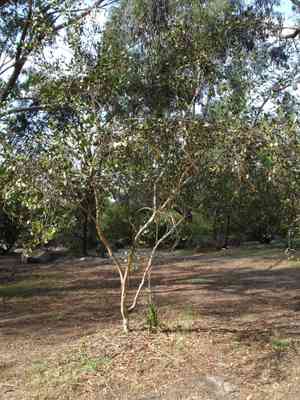
This perennial small tree or bush showcases circular, dense foliage alongside appealing, sleek bark. Trim Eucalyptus orbifolia in late winter or early spring prior to the emergence of new shoots. Concentrate on eliminating any lifeless, compromised, or intersecting limbs to foster adequate air movement and a robust framework. Gentle shaping is advantageous for preserving its silhouette. Consistent trimming lowers the likelihood of illness and boosts general well-being. Always employ sanitized, keen implements for optimal outcomes.
What Are the Benefits of Pruning Round-leaved Moort?
What Are the Benefits of Pruning Round-leaved Moort?
Trimming round-leaved moort is crucial for encouraging robust development and maintaining an appealing form. It aids in size management, fosters a strong framework, and can boost resistance to pests and illnesses.
What Is the Best Time for Pruning Round-leaved Moort?
What Is the Best Time for Pruning Round-leaved Moort?
Trimming round-leaved moort in early spring or late winter is optimal as these periods precede the plant's active growth phase. Pruning at this time allows for rapid recovery and stimulates healthy new growth as round-leaved moort enters its vigorous growing season. Furthermore, since round-leaved moort typically has reduced sap flow during these colder months, the risk of disease and pest entry through pruning cuts is minimized. Pruning during these seasons also ensures that flowering and fruiting are not disrupted, preserving the plant's overall health and visual appeal.
What Tools Do I Need to Prune Round-leaved Moort?
Bypass Pruners
Bypass pruners are ideal for clean cuts on living wood up to 1 inch in diameter, ensuring minimal harm to round-leaved moort's branches.
Loppers
Loppers are vital for cutting through thicker branches (up to 2 inches), which round-leaved moort can develop as it matures.
Pruning Saw
A pruning saw is necessary for cutting larger branches that bypass pruners and loppers cannot manage, helping maintain round-leaved moort's structure.
Anvil Pruners
These are perfect for cutting through dead or hardened wood, which round-leaved moort might develop, though they should be used sparingly to avoid crushing live tissue.
Pole Pruner
A pole pruner assists in reaching higher branches that are otherwise difficult to access, effectively maintaining the height and shape of round-leaved moort.
Protective Gloves
Gloves shield your hands from sharp implements and rough bark when trimming round-leaved moort.
How to Prune Round-leaved Moort
Identify
Carefully inspect the plant to locate and mark the dead and diseased branches that require removal.
Clean tools
Ensure all pruning implements are thoroughly cleaned and disinfected to prevent the spread of ailments. Use rubbing alcohol or a 10% bleach solution.
Remove dead
Cut back dead branches to the plant's base or to a healthy lateral branch. Make clean cuts at a 45-degree angle to the branch being removed.
Remove diseased
Carefully remove diseased branches by cutting 6-12 inches below the visible signs of disease. Properly dispose of the removed diseased parts to prevent contamination.
Disinfect
After trimming diseased branches, disinfect the pruning tools again before using them on healthy parts of the plant to avoid spreading pathogens.
Common Pruning Mistakes with Round-leaved Moort
Over-pruning
Removing too many branches at once can stress round-leaved moort, diminishing its overall health and growth.
Incorrect cuts
Making improper cuts, such as leaving stubs or cutting too close to the main stem, can lead to disease and pest infestations.
Pruning at the wrong time
Although the optimal season for pruning is covered elsewhere, trimming during extreme weather conditions like very hot or cold days can harm round-leaved moort.
Ignoring plant structure
Failing to understand round-leaved moort's natural growth habit can result in misshapen plants and reduced aesthetic appeal.
Common Pruning Tips for Round-leaved Moort
Clean tools
Always use clean, sharp tools to make precise cuts and minimize the risk of infection.
Thin out crowded branches
Remove any crossed, crowded, or inward-growing branches to enhance air circulation and light penetration, which promotes healthy growth.
Make correct cuts
Make cuts at a 45-degree angle just above a leaf node or bud to encourage new growth in the desired direction.
Focus on deadwood
Begin by removing any dead, damaged, or diseased wood. This helps the plant conserve energy and focus on producing healthy new growth.
Gradual pruning
If round-leaved moort requires significant pruning, do it gradually over several seasons rather than a single session to minimize stress on the plant.



