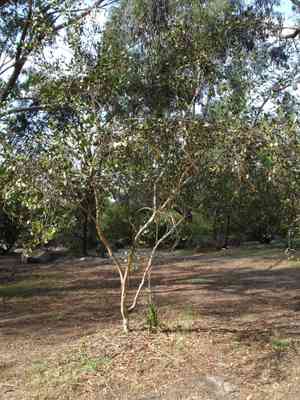
Round-leaved moort (Eucalyptus platypus)
Also known as: Moort
The round-leaved moort, native to Australia, exhibits several traits that support its survival in harsh environments. Its deep, far-reaching root system taps into underground water sources, while its thick, waxy leaves minimize water loss and withstand intense sunlight. The resilient, rough bark not only protects against fire and pests but also provides a habitat for various wildlife. Additionally, this plant can thrive in nutrient-poor soils, demonstrating its evolutionary adaptability to challenging conditions.
In This Article
Attributes of Round-leaved moort
Lifespan
Perennial
Plant Type
Tree
Plant Height
10 m
Spread
6 m
Leaf Color
Glossy green
Flower Size
1-2 cm
Flower Color
Creamy white
Images of Round-leaved moort

Quickly Identify Round-leaved moort
1
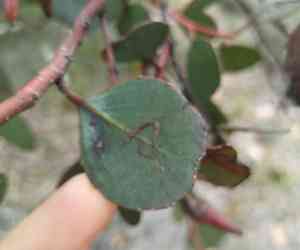
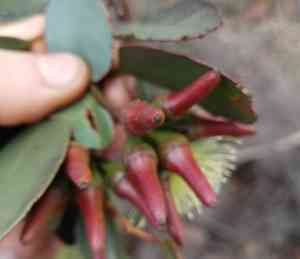
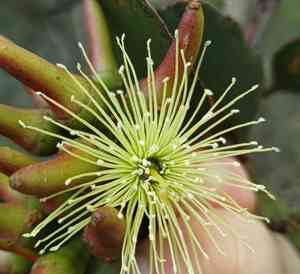
Eucalyptus platypus can be identified by its round, glossy green leaves and its large, urn-shaped fruit. The bark is smooth and sheds in strips, showing various colors ranging from green to grey. The plant typically has a dense and rounded canopy.
Scientific Classification of Round-leaved moort
Phylum
Vascular plants
Class
Dicotyledons
Order
Myrtales
Family
Myrtle
Genus
Eucalypts
Species
Round-leaved moort
Planting and Growing of Round-leaved moort
Care Difficulty
Moderate
Watering Schedule
Every 2 days
Sunlight Requirements
Full sun
Sunshine Duration
6-10 hours
Ideal Temperature
60-75℉
Soil Type
Potting Mix, Peat Mix
Soil pH
6.5-7.5
Fertilizer Type
Balanced
Pruning Season
Spring, Summer
Pruning Area
Branches, Leaves
Pruning Frequency
2 times a year
Repotting Season
Spring
Pot Type
Plastic, Ceramic
 How to Water Round-leaved moort?
When watering Eucalyptus platypus, it's crucial to provide approximately 1500 ml of water per session. This amount of water should ensure that the soil is thoroughly moist but not waterlogged. A good rule of thumb is to water until you see moisture seep out of the bottom of the container, if potted, which indicates the water has penetrated to the root zone.
What are the symptoms of an underwatered Round-leaved moort?
›
What should I do if my Round-leaved moort is not getting enough water?
›
What are the symptoms of an overwatered Round-leaved moort?
›
How to save an overwatered Round-leaved moort?
›
 What Are the Sunlight Requirements for Round-leaved moort?
Eucalyptus platypus prefers full to partial sunlight. Adequate light exposure supports its natural growth, promoting healthy foliage and enhancing its overall vitality.
How much sunlight does Eucalyptus platypus need?
›
What's the solution for ideal sunlight exposure?
›
What are the benefits of ideal sunlight?
›
 What Is the Ideal Temperature Range for Round-leaved moort?
Eucalyptus platypus thrives best at temperatures ranging between 60°F and 75°F. This range provides the optimal conditions for photosynthesis, promoting healthy growth and development. Maintaining this temperature range ensures vigorous foliage and optimal plant health, as it mimics the plant's natural habitat conditions.
 What Soil is Best for Round-leaved moort?
Eucalyptus platypus thrives in well-drained soil, which helps prevent waterlogging that could damage its roots. Proper drainage ensures healthy root development and promotes overall plant vigor. The plant benefits from a nutrient-rich substrate that provides essential minerals for growth. A well-fertilized environment supports robust leaf production and ensures the steady growth of this fast-growing eucalypt species. Eucalyptus platypus prefers moderate humidity levels, which can be achieved by maintaining a consistent level of soil moisture. This balance prevents the plant from experiencing drought stress while avoiding excessive moisture that can lead to fungal issues.
 How to Fertilize Round-leaved moort?
For Eucalyptus platypus, a balanced approach to fertilization is crucial. Typically, 100 grams of a balanced granular fertilizer per year will suffice for mature plants. Adjust based on plant response and soil tests.
 How to Prune Round-leaved moort?
Begin by identifying branches that are dead, damaged, or crossing each other. These branches can hinder healthy growth and should be prioritized for removal. Look for signs like deadwood or any branch with cracked or peeling bark. Using sharp and clean shears or pruning saws, make smooth and even cuts at a 45-degree angle to prevent water or pests from settling on the cuts. This angle aids in swift healing and helps avert potential infections.
More About Pruning Techniques→
 How to Propagate Round-leaved moort plant?
1
Collect Eucalyptus platypus seeds from mature, dry seed capsules. It's best to do this in early spring when the seeds are naturally ready to be dispersed.
2
Select a healthy branch and cut a section about 4-6 inches long from the tip. Remove any leaves from the lower half of the cutting to expose the nodes.
3
For seeds, fill a seed tray with a well-draining potting mix. For cuttings, insert the cut end into the soil. Water lightly to moisten the soil, ensuring good contact between the seeds or cuttings and the soil.
 How to Repot Round-leaved moort plant?
1
Look for signs like roots emerging from the drainage holes, or overall poor plant health and growth during the active growing seasons. These indicate that your Eucalyptus platypus is likely pot-bound and requires more room to flourish.
2
Select a pot that is just one size larger than the current one, with ample drainage holes. A slightly larger pot provides more space for root growth, minimizing the risk of root rot and ensuring a healthy development environment.
3
Pick soil that is well-draining, like a sandy loam mix. This type of soil prevents water from stagnating around the roots, reducing the likelihood of root rot and simulating its natural habitat, which is crucial for healthy growth.



