How to Prune Blackbutt?
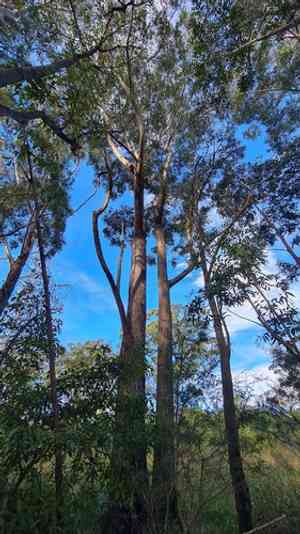
Originating from Australia, blackbutt is a rapidly developing, towering tree recognized for its durability and robust timber. Trimming ought to concentrate on excising ailing or compromised branches, fostering an appealing form, and upholding security by reducing the density of the crown. The optimal period for pruning is during the winter season when the tree is inactive, thereby minimizing strain and the leakage of sap. Pruning guarantees the tree's well-being, stimulates fresh development, and can avert potential dangers from descending limbs. Carefulness is recommended to prevent over-cutting, thereby safeguarding the tree's inherent configuration.
What Are the Benefits of Pruning Blackbutt?
What Are the Benefits of Pruning Blackbutt?
Trimming blackbutt promotes robust development and maintains its desired shape. It involves eliminating dead or weak limbs to stimulate vigorous new growth and to sculpt the tree for aesthetic or practical purposes.
What Is the Best Time for Pruning Blackbutt?
What Is the Best Time for Pruning Blackbutt?
During this period, blackbutt is in a dormant state, which minimizes stress and sap loss. Pruning in late winter allows the plant to heal quicker, and as spring arrives, the warmer weather and increased sunlight encourage healthy new growth. Additionally, visibility of the structure is clearer without foliage, enabling more precise cuts. Pruning before the onset of new growth ensures that the plant's energy is efficiently directed towards the development of new shoots and leaves, rather than repairing older, possibly damaged or diseased wood. Avoid pruning during the active growth phase in late spring or during the flowering period, as this can reduce the plant's vigor and yield of flowers or fruits.
What Tools Do I Need to Prune Blackbutt?
Hand Pruners
Ideal for cutting smaller branches and twigs of blackbutt that are up to 3/4 inch in diameter. The bypass type is recommended over anvil pruners because they provide a cleaner cut that is important for the plant's healing process.
Loppers
Suitable for medium-sized branches, generally up to 1 1/2 inches in diameter. The long handles provide leverage to make cleaner cuts with less effort, which is key for the potentially harder wood of blackbutt.
Pruning Saws
For larger branches over 1 1/2 inches in diameter, pruning saws are necessary. A curved blade saw can make it easier to cut through the thicker wood of blackbutt by providing extra cutting power.
Extendable Pole Saws/Pruners
When dealing with the height of blackbutt, a pole saw or pruner allows for pruning of higher branches without the need for a ladder, ensuring safety and accessibility.
Chainsaw
Only recommended for very large branches or for tree removal where necessary. Safety is paramount when using a chainsaw, and it should only be used by trained individuals due to the size and hardness of blackbutt's wood.
Secateurs
For finer or formative pruning of young blackbutt trees or saplings. They offer more precision for shaping the plant in its early stages of growth.
How to Prune Blackbutt
Identify Branches
Examine blackbutt for dead or diseased branches. Dead branches will be dry and snap easily, while diseased branches may show signs of discoloration or fungal growth.
Sanitation
Before pruning blackbutt, sterilize your pruning tools with alcohol or a 10% bleach solution to prevent spreading disease.
Cutting Technique
Use sharp, clean pruning shears or a saw. Make cuts on dead or diseased branches just above a healthy bud, lateral branch, or at the branch collar, avoiding damage to the main trunk.
Remove Debris
Carefully remove all pruned dead and diseased branches from the area around blackbutt to prevent any potential spread of pests or diseases.
Wound Care
Apply a wound dressing or sealant to large cuts on blackbutt to protect the exposed wood from pests and diseases, although this is generally not necessary for smaller cuts.
Common Pruning Mistakes with Blackbutt
Overpruning
Removing too much foliage from blackbutt can stress the plant, limit its ability to photosynthesize, and retard growth.
Improper Cut Location
Cutting too close to the trunk or far from the bud can injure blackbutt or lead to improper growth.
Dull Tools
Using dull pruning tools can cause jagged cuts that are more susceptible to pests and diseases.
Tearing Bark
When branches are not supported during cutting, the weight can tear the bark and damage blackbutt's trunk.
Disregarding Tree Structure
Failure to consider the natural form of blackbutt can lead to a weakened structure and poor growth habit.
Common Pruning Tips for Blackbutt
Sharp Tools
Use sharp, clean pruning tools to make clean cuts that blackbutt can heal over more effectively.
Branch Collar Cuts
Make pruning cuts just outside the branch collar to promote proper healing and prevent decay from entering the trunk.
Selective Pruning
Remove only dead, damaged, or diseased branches to maintain the health and natural form of blackbutt.
Gradual Reduction
If reducing the size of blackbutt, do it gradually over a few seasons to avoid shocking the plant.
Crown Thinning
Thin the crown of blackbutt if necessary, to increase light penetration and air flow, but do not remove more than 25-30% of the crown in a single pruning session.



