Enhancing Your Garden Design with the Blackbutt Plant: A Landscaping Guide
1
Blackbutt provides considerable visual appeal and environmental advantages in garden design.
2
Blackbutt is suitable for integration into both structured and relaxed landscape layouts.
3
Regular upkeep is crucial for maintaining the attractiveness and vitality of Blackbutt in your outdoor space.
Introducing Blackbutt in Landscape Design
Discover the visual appeal of Blackbutt in outdoor spaces.
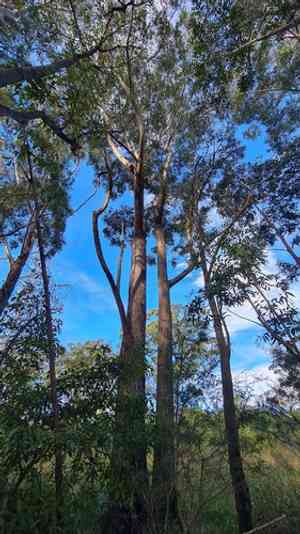
Integrating Blackbutt into your landscape design can significantly boost its aesthetic charm. This indigenous Australian tree is celebrated for its attractive bark and vibrant green leaves, making it a prominent feature in any garden. Its tall, straight trunk and leafy canopy provide structure and height, adding depth to your outdoor area. Whether designing a grand estate or a cozy backyard, Blackbutt serves as an ideal centerpiece, capturing attention and complementing its surroundings.
Grasp the ecological advantages of using Blackbutt in your garden.
Blackbutt is more than just a beautiful tree; it's an environmental asset. Planting Blackbutt can help reduce soil erosion, improve air quality, and offer a home for local wildlife. Its root systems help stabilize the soil, making it excellent for securing slopes and preventing landslides. Furthermore, Blackbutt absorbs significant amounts of carbon dioxide, contributing to cleaner air, and its leaves can filter airborne particles, benefiting overall environmental well-being.
Integrating Blackbutt into Various Landscape Styles
Ideas for incorporating Blackbutt into structured landscape designs.
Adding Blackbutt to a formal landscape design can bring an element of sophistication to your garden. This tree pairs well with geometric plant layouts, neatly trimmed hedges, and manicured lawns. Its majestic presence works effectively as a central feature or in a line along paths and driveways, offering a grand entry to your property. In a formal setting, groups of Blackbutt can reflect the symmetry and clean lines typical of this design approach.
Ways Blackbutt can be used in informal or naturalistic settings.
If a naturalistic or relaxed garden is more your preference, Blackbutt integrates seamlessly into these designs too. Its organic shape and natural growth pattern make it perfect for wildflower meadows, woodland gardens, and more casual landscapes. You can plant Blackbutt among native grasses and shrubs to create a biodiverse environment that attracts birds and insects. Its towering stature also adds a touch of wild beauty that complements more relaxed, free-flowing garden layouts.
Seasonal Considerations for Blackbutt in Your Garden
Optimal seasons for planting Blackbutt.
The best time to plant Blackbutt is during the cooler months, particularly in early autumn or spring. Planting during these periods reduces water stress and allows the roots to establish before the summer heat or winter cold arrives. Ensure the soil is moist but well-drained, giving the young tree the best possible start.
How Blackbutt adapts to different seasonal changes.
Blackbutt is remarkably resilient and adjusts well to seasonal shifts. During the dry summer months, it is drought-tolerant once mature, requiring minimal irrigation. In the cooler winter months, Blackbutt remains green and vibrant, providing year-round beauty. Its capacity to thrive in diverse climatic conditions makes it a robust choice for various landscaping projects.
Complementary Plants and Features for Blackbutt
Choosing companion plants for Blackbutt.
When selecting plants to accompany Blackbutt, opt for those that flourish in similar conditions. Native Australian plants such as grevilleas, banksias, and wattles are excellent choices. These plants not only share a natural habitat but also enhance Blackbutt's aesthetic with their unique flowers and foliage. Additionally, understory plants like groundcovers and small shrubs can add layers and texture, improving the overall look of your garden.
Integrating hardscape elements with Blackbutt.
Incorporating hardscape features such as stone paths, wooden decks, or water elements can amplify Blackbutt's beauty in your landscape. The tree's imposing presence pairs well with natural materials, creating a unified and harmonious design. Use rocks and pebbles around the base for a rustic feel or sleek, modern pavers for a more contemporary look. Hardscaping not only adds utility but also highlights Blackbutt's natural splendor.
Maintaining the Beauty of Blackbutt in Landscaping
Regular checks for Blackbutt's healthy development.
Ensuring Blackbutt's health requires consistent inspections for pests, diseases, and other potential issues. Look for signs of stress, such as wilting or discoloration, and act quickly if you notice anything unusual. Proper pruning, especially in its early years, can foster a strong structure and prevent future problems.
Simple methods to enhance Blackbutt's visual appeal.
To maximize Blackbutt's visual impact, consider mulching around its base to retain moisture and suppress weeds. Regular pruning helps maintain its form and encourages dense foliage. Additionally, illuminating the tree at night with outdoor lighting can create dramatic nighttime visuals, making Blackbutt a focal point even after sunset. By paying attention to these details, you can ensure Blackbutt remains a striking and healthy addition to your landscape throughout the year.



