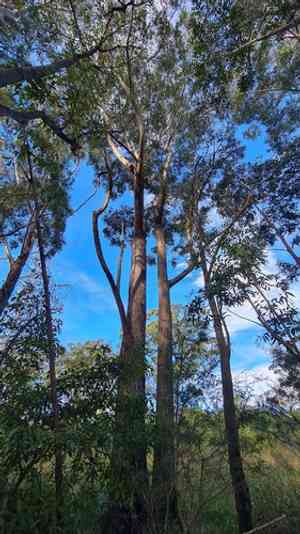
Blackbutt (Eucalyptus pilularis)
Also known as: Black Butt, Australian Blackbutt
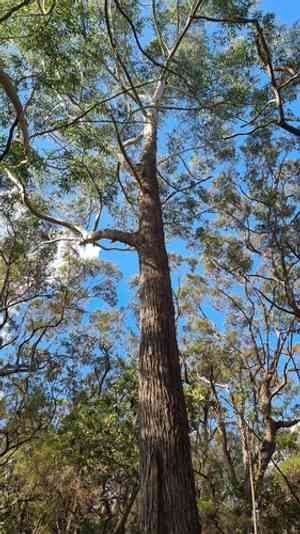
The eucalyptus tree is a tall species well-suited to temperate coastal areas. It has a straight trunk covered in fibrous bark and lance-shaped leaves that often emit a unique scent. The tree's leaves provide shelter for various wildlife, and its white flowers bloom seasonally, adding beauty to its surroundings. Eucalyptus trees are adapted to fire-prone environments, enabling them to regenerate and thrive in their native habitats.
In This Article
Attributes of Blackbutt
Lifespan
Perennial
Plant Type
Tree
Plant Height
70 m
Spread
8 m to 10 m
Leaf Color
Dark green
Flower Size
Up to 1.5 cm
Flower Color
White Yellow
Images of Blackbutt
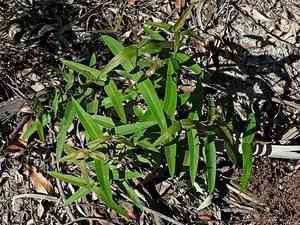
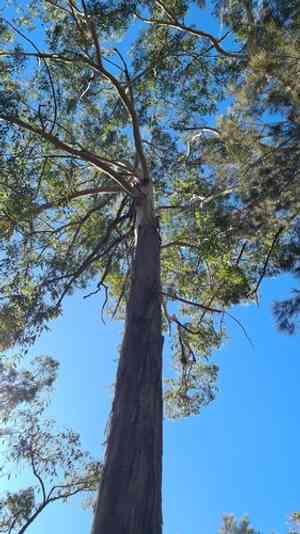
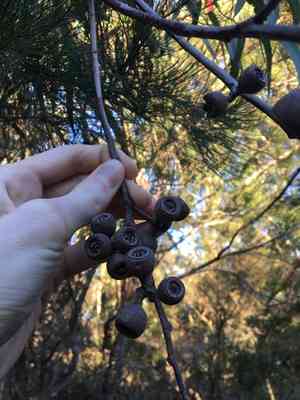
Quickly Identify Blackbutt
1
Blackbutt trees can be identified by their rough, fibrous bark on the trunk and larger branches, smooth white to grey bark on the upper branches, lance-shaped adult leaves, and its clusters of white flowers.
Scientific Classification of Blackbutt
Phylum
Vascular plants
Class
Dicotyledons
Order
Myrtales
Family
Myrtle
Genus
Eucalypts
Species
Blackbutt
Planting and Growing of Blackbutt
Care Difficulty
Easy
Watering Schedule
Every 2 days
Sunlight Requirements
Full sun
Sunshine Duration
6-10 hours
Ideal Temperature
60-77℉
Soil Type
Potting Mix, Peat Mix
Soil pH
5.5-7
Fertilizer Type
Balanced
Pruning Season
Spring, Summer
Pruning Area
Branches, Leaves
Pruning Frequency
2 times a year
Repotting Season
Spring
Pot Type
Plastic, Ceramic
 How to Water Blackbutt?
Eucalyptus pilularis benefits from a moderate watering regime. Water thoroughly but allow the topsoil to dry slightly between watering sessions. This approach mimics its natural habitat, where water is sporadic, ensuring healthy root growth and preventing waterlogging.
What are the symptoms of an underwatered Blackbutt?
›
What should I do if my Blackbutt is not getting enough water?
›
What are the symptoms of an overwatered Blackbutt?
›
How to save an overwatered Blackbutt?
›
 What Are the Sunlight Requirements for Blackbutt?
Eucalyptus pilularis prefers full sun but can tolerate partial sun. Ideal light exposure ensures optimal photosynthesis, robust growth, and healthy foliage.
What is the ideal light environment for Eucalyptus pilularis?
›
How can I ensure my Eucalyptus pilularis gets ideal lighting?
›
What benefits does ideal lighting provide to Eucalyptus pilularis?
›
 What Is the Ideal Temperature Range for Blackbutt?
What is the ideal temperature range for Eucalyptus pilularis? The ideal temperature range for Eucalyptus pilularis is between 60 and 77 degrees Fahrenheit. This range provides an optimal environment for essential physiological processes, ensuring healthy growth and development. Maintaining this temperature range facilitates active photosynthesis and nutrient absorption, promoting overall plant vigor.
 What Soil is Best for Blackbutt?
Eucalyptus pilularis thrives in well-draining soils that prevent waterlogging, which can harm its roots. Such soils facilitate adequate air exchange and root ventilation, promoting healthy growth. Access to essential nutrients is crucial for the tree’s development. It's important to ensure the soil is rich in organic matter, which provides a steady nutrient supply that sustains vibrant foliage and robust growth. While intolerant of waterlogged conditions, Eucalyptus pilularis benefits from soils that retain moderate moisture, ensuring that it has sufficient water over time, especially during dry spells, without allowing the roots to dry out completely.
 How to Fertilize Blackbutt?
Eucalyptus pilularis thrives best with a moderate amount of fertilizer. During the active growing season, apply a balanced liquid fertilizer diluted to half strength bi-monthly. For slow-release fertilizers, 200 grams per tree annually is adequate. Over-fertilization or use of high-nitrogen fertilizers should be avoided to prevent excessive soft growth.
 How to Prune Blackbutt?
For younger Eucalyptus pilularis, formative pruning is crucial. Begin by removing crossing branches to establish a strong structure and select a strong central leader. With mature trees, limit pruning to dead or weak branches unless shaping is needed. Over-pruning can stress the tree, potentially leading to weak growth or disease. When the tree is near pathways, maintain clearance by trimming low-hanging branches. This not only keeps pathways clear but also prevents possible limb damage.
More About Pruning Techniques→
 How to Propagate Blackbutt plant?
1
Collect ripe seeds directly from the mature Eucalyptus pilularis tree, preferably in late summer. Ensure seeds are fully mature and dry them properly to improve germination rates when planted.
2
Fill seed trays with a sterile potting mix and lightly press down the Eucalyptus seeds onto the surface. Do not cover them heavily; they require light to germinate. Mist the surface to keep it moist, but avoid overwatering.
3
After seedlings have developed a few true leaves, carefully transplant them to individual pots. Use a similar well-draining mix and keep them in a well-lit area to continue their growth. Protect from strong winds and direct harsh sunlight.
 How to Repot Blackbutt plant?
1
Eucalyptus pilularis shows signs of needing repotting when the roots begin to emerge from the drainage holes or form a compact, dense mass. Another key indication is slowed growth or poor water absorption. Ideally, conduct repotting in spring to coincide with the plant's natural growth cycle, ensuring robust recovery and adaptation in the new pot.
2
Select a pot that is one size larger to accommodate root growth, enhancing stability and preventing the plant from toppling. Choose containers with ample drainage holes at the bottom to avoid waterlogging and promote healthy root development, crucial for a thriving Eucalyptus.
3
Eucalyptus pilularis flourishes in well-draining, sandy loam that replicates its native habitat. The ideal soil mix should incorporate organic matter to retain nutrients while preventing compact soils that could suffocate root systems. A well-chosen soil keeps the tree healthy and encourages vigorous growth.
Toxicity
Ingestion, Skin contact
WARNING
The judgment on toxicity and danger is for reference only. We DO NOT GUARANTEE any accuracy of such judgment. Therefore, you SHALL NOT rely on such judgment. It is IMPORTANT TO SEEK PROFESSIONAL ADVICE in advance when necessary.



