How to Prune Scribbly gum?
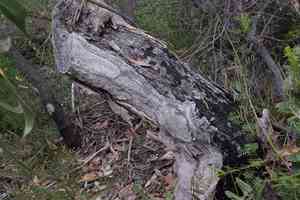
Eucalyptus haemastoma, recognized for its distinctive etched bark designs, requires trimming in late winter or early spring to foster robust development. Eliminate any deceased, injured, or intersecting limbs with sanitized, keen implements to avert illness. Only light pruning is necessary, concentrating on preserving its inherent form and framework. Consistent trimming aids Eucalyptus haemastoma by enhancing air movement, thereby diminishing the occurrence of pests and ailments. Verify that all incisions are made immediately beyond the branch collar to prevent injury to the specimen.
Advantages of Trimming Scribbly Gum
Advantages of Trimming Scribbly Gum
Trimming scribbly gum encourages robust development and helps preserve its form by eliminating dead or overgrown limbs. This promotes improved air circulation and sunlight penetration, vital for the plant's vitality and look.
Optimal Period for Trimming Scribbly Gum
Optimal Period for Trimming Scribbly Gum
Trimming or shaping scribbly gum during early spring and late winter aligns with its growth cycle, as these are times when the plant is less active and prior to new growth commencing. This timing helps to minimize plant stress, allows for better control of its shape and size, and reduces the risk of disease and pest infestations. Furthermore, pruning before the active growing season encourages more vigorous new growth while ensuring that flowering or fruiting periods are not disrupted.
Required Tools for Pruning Scribbly Gum
Pruning shears
Excellent for cutting small branches and twigs, providing precise cuts that facilitate quicker recovery.
Loppers
Ideal for cutting through thicker branches up to 2 inches in diameter, enabling clean cuts that minimize potential harm.
Pruning saw
Essential for removing larger branches that cannot be managed by shears or loppers, ensuring efficient and smooth cuts.
Pole pruner
Useful for reaching higher branches without needing a ladder, maintaining safety while trimming tall growth.
How to Prune Scribbly Gum
Assess
Examine scribbly gum for any diseased or withered leaves to determine the extent of necessary pruning.
Sanitize
Before beginning, thoroughly clean and disinfect your pruning tools to prevent the spread of disease.
Remove Diseased Parts
Carefully cut away any diseased leaves, ensuring to cut at least a few inches into healthy tissue to prevent re-infection.
Remove Withered Parts
Trim away any withered leaves, making clean cuts to avoid damaging healthy parts of scribbly gum.
Dispose
Properly discard all removed leaves to prevent any potential disease spread back to scribbly gum or other plants.
Frequent Pruning Errors with Scribbly Gum
Improper Technique
Using dull or unsuitable tools that result in tearing or crushing instead of clean cuts can harm the plant. Ensure tools are sharp and appropriate for the branch size.
Over-Pruning
Removing too much foliage at once can stress scribbly gum, leading to poor health and reduced growth. Only prune essential branches to maintain the plant's structure.
Poor Timing
Pruning at incorrect intervals can hinder growth and flower production. While specific seasonal guidelines are excluded, it's important to follow recommended pruning schedules.
Incorrect Cuts
Making flush cuts or cutting too far from the branch collar can damage the plant's natural ability to heal. Aim for clean cuts just outside the branch collar without leaving stubs.
Neglecting Sanitization
Failing to clean tools between cuts or plants can spread disease. Regularly sanitize your pruning tools to prevent this.
General Pruning Advice for Scribbly Gum
Utilize Appropriate Tools
Invest in high-quality, sharp pruning shears and saws to make clean cuts which aid in faster healing and reduce the risk of disease.
Sanitization
Always disinfect tools before pruning and between cuts, especially if dealing with diseased parts of scribbly gum. A mixture of bleach and water or rubbing alcohol works well.
Selective Pruning
Focus on removing dead, diseased, or damaged branches first. This prevents the spread of disease and encourages healthy growth.
Shape Maintenance
Prune to maintain the natural shape of scribbly gum, removing any wayward or crossing branches. Aim to open up the canopy to allow light and air to penetrate.



