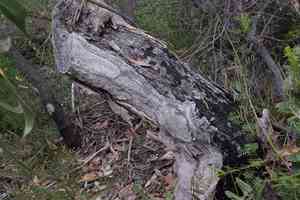
Scribbly gum (Eucalyptus haemastoma)
Also known as: Scribbly Gum, Snappy Gum
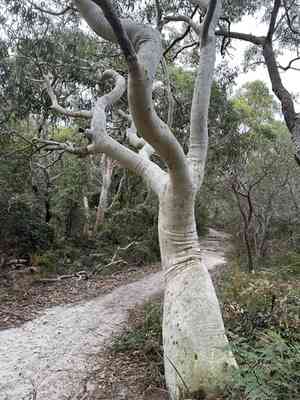
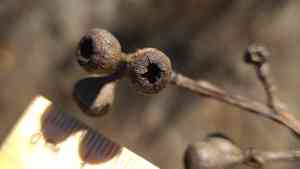
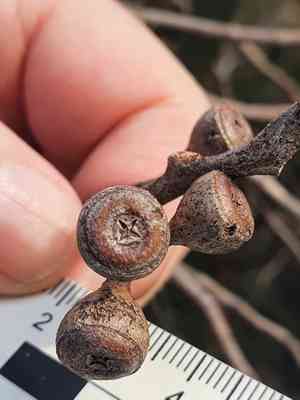
The Scribbly Gum, known for its smooth bark marked by insect scribbles, is a small to medium-sized tree indigenous to the Sydney area. Its scientific name, Eucalyptus haemastoma, is derived from Greek, with "haima" meaning "blood" and "stoma" meaning "mouth," alluding to its distinctive scarlet, saucer-shaped fruit.
In This Article
Attributes of Scribbly gum
Lifespan
Perennial
Plant Height
Up to 15 meters (50 feet)
Spread
Up to 8 meters (26 feet)
Leaf Color
Glossy green
Flower Size
1-2 cm (0.4-0.8 inches)
Flower Color
White to cream
Images of Scribbly gum
Quickly Identify Scribbly gum
1
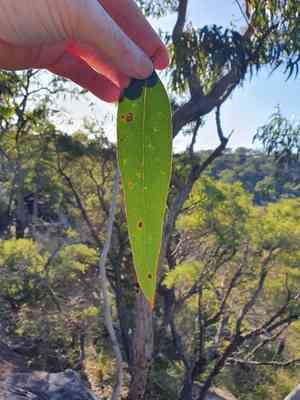
This tree can be identified by its smooth, white bark covered with scribbly patterns. Leaves are lance-shaped and glossy green. It produces white to cream flowers and woody fruit capsules.
Scientific Classification of Scribbly gum
Phylum
Vascular plants
Class
Dicotyledons
Order
Myrtales
Family
Myrtle
Genus
Eucalypts
Species
Scribbly gum
Planting and Growing of Scribbly gum
Care Difficulty
Moderate
Watering Schedule
Every 2 days
Sunlight Requirements
Full sun
Sunshine Duration
6-10 hours
Ideal Temperature
60-75℉
Soil Type
Potting Mix, Peat Mix
Soil pH
6.5-7.5
Fertilizer Type
Balanced
Pruning Season
Spring, Summer
Pruning Area
Branches, Leaves
Pruning Frequency
2 times a year
Repotting Season
Spring
Pot Type
Plastic, Ceramic
 How to Water Scribbly gum?
Eucalyptus haemastoma prefers well-drained soil, and water should be enough to moisten the root zone. Typically, around 500 ml per watering session should suffice, ensuring the soil is damp but not waterlogged. Always wait until the top 5 cm of soil dries out before watering again.
What are the symptoms of an underwatered Scribbly gum?
›
What should I do if my Scribbly gum is not getting enough water?
›
What are the symptoms of an overwatered Scribbly gum?
›
How to save an overwatered Scribbly gum?
›
 What Are the Sunlight Requirements for Scribbly gum?
Ideally, Eucalyptus haemastoma should be exposed to full sun for optimal growth. This condition supports vigorous growth, enhances resilience, and results in a healthy, well-balanced structure.
How important is sunlight for Eucalyptus haemastoma?
›
What are the best positions for planting?
›
How can I ensure ideal sunlight for my plant?
›
 What Is the Ideal Temperature Range for Scribbly gum?
The ideal temperature range for Eucalyptus haemastoma is between 60°F and 75°F. This range provides a stable environment that supports healthy growth and development. Temperatures within this range help in maintaining the metabolic processes of the plant and allow it to access and utilize nutrients efficiently.
 What Soil is Best for Scribbly gum?
Eucalyptus haemastoma thrives best in well-drained soil, avoiding waterlogged conditions that can lead to root rot. This improves overall health by ensuring the plant receives adequate nutrients and oxygen through its roots. While not overly demanding, nutrient-rich soil is beneficial for Eucalyptus haemastoma, supporting robust growth and foliage density, which enhances its natural resilience to pests and diseases. Although it's drought-tolerant, a soil with moderate moisture retention keeps the plant sufficiently hydrated during dry spells, boosting stress tolerance and sustaining vibrant foliage.
 How to Fertilize Scribbly gum?
For Eucalyptus haemastoma, it is essential to apply fertilizer moderately, as excessive nutrients can harm the plant. Use approximately 50 grams of slow-release granular fertilizer per square meter annually or mix 1 liter of diluted liquid fertilizer for every 50 liters of water monthly, ensuring a balanced supply of nutrients without overloading the soil.
 How to Prune Scribbly gum?
Start by identifying the branches that disrupt the tree's natural shape or structure. Use clean, sharp pruning shears to make precise cuts at the point where such branches meet healthy growth. This will encourage a more aesthetically pleasing shape and help the tree allocate resources efficiently. Check for any dead, diseased, or damaged branches. These should be removed promptly to prevent the spread of disease and to encourage healthier growth throughout the tree. Make cuts cleanly to avoid tearing the bark. Thin out dense areas of the crown to improve air circulation and light penetration. This reduces the risk of pest infestations and diseases, as increased airflow aids in the natural drying of wet leaves and reduces the habitat for unwanted pests.
More About Pruning Techniques→
 How to Propagate Scribbly gum plant?
1
Collect seeds from mature Eucalyptus haemastoma trees during the seed dispersal period in early spring. Choose seeds that appear healthy and free from pest damage. Store them in a cool, dry place until ready for planting.
2
Prepare a seed tray with a well-draining soil mix. Sow the seeds on the surface and lightly cover them with soil. Water gently to keep the soil moist but not waterlogged. Place the tray in a location with ample sunlight.
3
Select healthy, semi-hardwood cuttings from the parent plant during spring. Cut about 10-15 cm long sections with at least two nodes. Dip the cut end in rooting hormone to increase the likelihood of root development.
 How to Repot Scribbly gum plant?
1
Repot your Eucalyptus haemastoma when it shows signs of becoming root-bound, such as roots growing through the drainage holes or the plant significantly slowing in growth. Spring and autumn are ideal because the plant is not in its peak growth phase, which allows it to recover faster.
2
Select a pot that is one size larger than the current one, ideally made from materials that provide good aeration like terracotta. Ensure the new pot has adequate drainage holes to prevent water stagnation, which can lead to root rot, a common problem with improper drainage.
3
Choose a well-draining potting mix with a combination of sand, peat moss, and perlite. This type of soil prevents waterlogging while retaining enough moisture for the plant's roots, thereby promoting healthy growth and reducing the risk of fungal infections.
Toxicity
Ingestion, Oil Contact
WARNING
The judgment on toxicity and danger is for reference only. We DO NOT GUARANTEE any accuracy of such judgment. Therefore, you SHALL NOT rely on such judgment. It is IMPORTANT TO SEEK PROFESSIONAL ADVICE in advance when necessary.



