How to Propagate Scribbly gum?
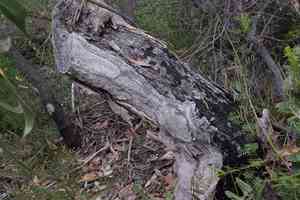
The Eucalyptus racemosa, recognized for its unique bark markings, largely thrives through seed propagation. Employing newly harvested seeds is vital for achieving optimal germination percentages, making sure they are planted in fertile, adequately draining substrate. Maintaining consistent soil dampness fosters seedling progression, and ample sunlight accelerates development. Appropriate distancing prevents congestion and encourages vigorous, sturdy specimens. Consistent pest surveillance guarantees successful propagation.
When Is the Optimal Time to Propagate Scribbly Gum?
Propagation Method
Seeding
Propagation Period
Spring
What Equipment Is Utilized in Scribbly Gum Propagation?
Seed Trays
Seed trays are vital for planting scribbly gum. They offer a regulated setting for seed sprouting and encourage uniform development. Seed trays also simplify the monitoring and management of germinating seeds, ensuring they receive appropriate moisture and light.
Seed Compost
Employing quality seed compost is essential for the successful germination of scribbly gum. This medium supplies the necessary nutrients and suitable texture that supports initial root formation while maintaining proper moisture equilibrium.
Humidity Domes
Humidity domes assist in sustaining elevated humidity levels, which are advantageous during the initial phases of seed germination for scribbly gum. They help prevent the soil from drying out and guarantee a stable environment for young plants.
Spray Bottle
A spray bottle is perfect for delicately watering scribbly gum seeds and young seedlings, without disturbing the planting medium or seeds. This tool ensures even moisture distribution and prevents overwatering, which can be harmful to propagation.
Plastic Labels
Labeling is crucial for tracking the propagation progress of various seeds. Plastic labels enable simple identification and monitoring, ensuring that each batch of scribbly gum can be followed through its developmental stages.
How to Propagate Scribbly Gum?
Propagation Difficulty
Simple
How to Nurture Your Newly Propagated Scribbly Gum?
How to Nurture Your Newly Propagated Scribbly Gum?
Following transplant, gradually introduce scribbly gum seedlings to outdoor conditions by placing them outside for progressively longer durations daily. Ensure they are planted in a sunny spot with well-draining soil. Water consistently but avoid overwatering, as scribbly gum prefers arid conditions once established. Shield young plants from frost and strong winds. Apply a balanced, slow-release fertilizer to support growth. Regularly check for pests and diseases, and prune to foster a robust structure.
Common Errors to Avoid When Propagating Scribbly Gum
Overwatering
Excessive irrigation can lead to root decay, which severely impairs the plant's capacity to develop a healthy root system.
Underwatering
Insufficient moisture can impede the initial development of roots, resulting in weak and stunted growth.
Improper Soil Mix
Using soil that is too dense or retains too much moisture can cause poor drainage and compaction, restricting root development.
Lack of Humidity Control
Inadequate humidity can dry out cuttings, diminishing the likelihood of successful propagation.
Inadequate Light
Placing cuttings in areas with insufficient light can hinder photosynthesis and root initiation.
Ignoring Sanitation
Failing to sterilize tools and containers can introduce pathogens, leading to diseases that affect cuttings.
Wrong Cutting Technique
Incorrectly making or handling cuttings can damage plant tissue, reducing the probability of successful rooting.
Advice For Propagating Scribbly Gum
Moderate Watering
Ensure the soil remains moist but not waterlogged. Utilize a well-draining mix to prevent root rot.
Humidity Control
Maintain a humid environment around the cuttings. A mini greenhouse or plastic cover can help retain moisture.
Proper Soil Mix
Use a lightweight, well-draining potting mix to encourage healthy root growth.
Adequate Light
Place cuttings in a well-lit area but avoid direct sunlight that can scorch or dry them out.
Sanitize Equipment
Use sterilized tools and containers to reduce the risk of introducing pathogens.
Correct Cutting Technique
Make clean cuts and handle the cuttings gently to avoid damaging plant tissues.



