How to Prune Berlandier's jopoy?
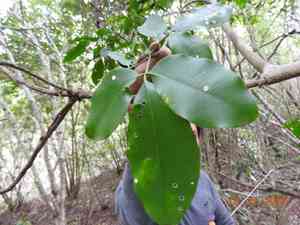
Originating from southern Texas and northeastern Mexico, berlandier's jopoy is distinguished by its compact, ramifying structure and groupings of tiny white blossoms. Trimming ought to concentrate on excising deceased or excessively dense branches to improve air movement and light access, preferably in late winter or early spring prior to the emergence of new shoots. This schedule aids in fostering robust development and preserving the plant's inherent form. Consistent trimming also deters ailments and elevates the general well-being and aesthetic of berlandier's jopoy.
What Are the Benefits of Pruning Berlandier's Jopoy?
What Are the Benefits of Pruning Berlandier's Jopoy?
Trimming berlandier's jopoy is crucial for maintaining its desired form and encouraging robust development. Regular cutting helps manage its size, ensuring berlandier's jopoy stays healthy and visually appealing in garden settings.
What Is the Best Time for Pruning Berlandier's Jopoy?
What Is the Best Time for Pruning Berlandier's Jopoy?
The optimal time for pruning berlandier's jopoy is late winter or early spring, as these periods precede its active growth phase, allowing for rapid healing and energy redirection towards new growth. This timing also prevents cutting during its flowering cycle, ensuring no disruption to blooms or fruit production. Late winter pruning aids in removing damaged or diseased branches before new growth emerges, thus preserving the health and appearance of berlandier's jopoy.
What Tools Do I Need to Prune Berlandier's Jopoy?
Hand Pruners
Perfect for making precise cuts on berlandier's jopoy's smaller branches. Their sharp blades ensure clean cuts, which helps prevent diseases.
Loppers
Ideal for reaching deeper or higher branches that are typically thicker. The long handles provide the necessary leverage for cutting through berlandier's jopoy's denser, woody stems.
Pruning Saw
Essential for removing any branches over half an inch thick that hand pruners and loppers cannot manage. This tool assists in handling the larger growths of berlandier's jopoy.
Gloves
Crucial for protecting hands from thorns or rough bark while pruning berlandier's jopoy.
Garden Shears
Useful for shaping and tidying the foliage of berlandier's jopoy, allowing for controlled cuts and maintaining the plant's aesthetic appeal.
How to Prune Berlandier's Jopoy
Identification
Locate and mark the dead branches on berlandier's jopoy. Focus on branches that show no signs of green, flexible growth. Dead branches are typically identified by their dry, brittle texture and absence of leaf buds.
Sanitation
Disinfect your pruning tools with rubbing alcohol or a 10% bleach solution. This step is vital to prevent the spread of disease to healthy parts of berlandier's jopoy when cutting through diseased branches.
Cutting technique
Utilize sharp, clean pruning shears or a pruning saw, depending on the branch's thickness. Make clean cuts at a 45-degree angle, approximately a quarter-inch above a healthy bud or another branching point to encourage healthy regrowth.
Removal
Carefully take off the dead and diseased branches from berlandier's jopoy. Ensure cuts are smooth and avoid tearing the bark to facilitate quick healing.
Disposal
Properly dispose of the removed dead and diseased branches to prevent any potential re-infection. Do not compost these materials as they may harbor pathogens harmful to berlandier's jopoy and other plants.
Common Pruning Mistakes with Berlandier's Jopoy
Over pruning
Removing an excessive amount of foliage and branches, which can stress berlandier's jopoy, impede its growth, and potentially lead to a weakened structure.
Improper cut locations
Cutting too close or too far from the bud can hinder berlandier's jopoy from healing correctly and may expose it to pests and diseases.
Using dull tools
Employing unsharpened or poorly maintained pruning tools can result in jagged cuts that are difficult for berlandier's jopoy to heal, increasing the risk of disease.
Common Pruning Tips for Berlandier's Jopoy
Sharp clean tools
Use sterilized, sharp pruning shears to make clean cuts, which helps berlandier's jopoy recover quickly and reduces the risk of infection.
Strategic thinning
Remove only the essential inner branches to improve air circulation and light penetration, which are crucial for berlandier's jopoy's growth and health.
Cut angle
Make cuts at a 45-degree angle about 1/4 inch above an outward-facing bud, promoting outward growth and preventing water accumulation.



