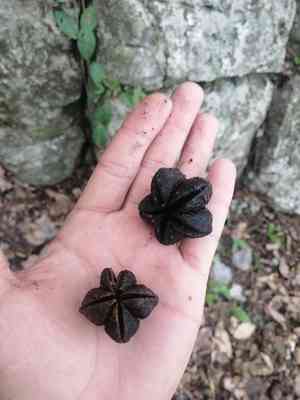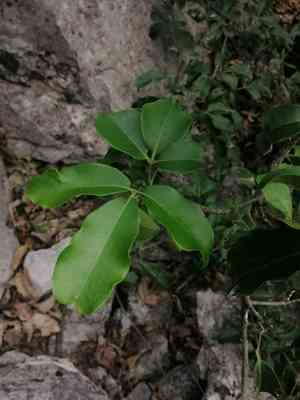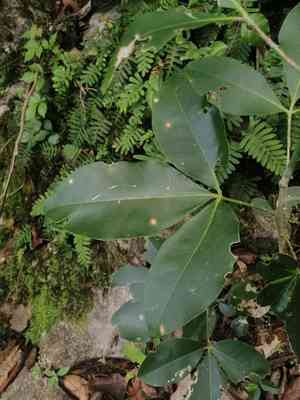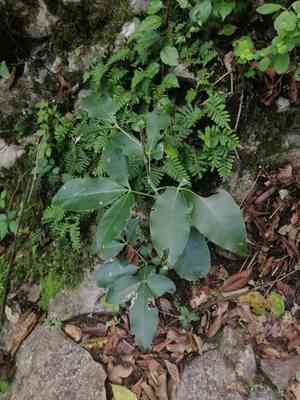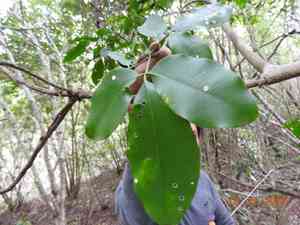
Berlandier's jopoy(Esenbeckia berlandieri)

Berlandier's jopoy (Esenbeckia berlandieri)

Also known as: Limoncillo, Berlandier's esenbeckia

Berlandier's jopoy (Acanthospermum berlandieri) is a low-growing herbaceous plant native to parts of North and South America, often found in sandy or loamy soils. Key features include:

1. **Leaves**: Small, hairy, and sometimes lobed.
2. **Flowers**: Small, yellow, daisy-like blooms.
3. **Growth Habit**: Forms a dense mat on the ground.
4. **Stems**: Typically reddish and covered in fine hairs.

**Blooming Conditions**:
1. **Light**: Thrives in full sun.
2. **Soil**: Prefers well-drained soils.
3. **Water**: Adapted to dry conditions once established.
4. **Temperature**: Favors warm climates, common in tropical and subtropical areas.

It usually blooms from late spring to early fall, attracting various pollinators. This plant integrates well into its native sunny and warm habitats.

Attributes of Berlandier's jopoy

Lifespan
Perennial
Plant Type
Tree, Shrub
Plant Height
1.8 m to 3.5 m
Spread
10-20 feet
Leaf Color
Dark green
Flower Size
1-2 inches
Flower Color
White

ForwardPlant - Identify plants with a snap

Identify and diagnose plants, get toxicity alerts, and explore safety guides for all types of fungi.

Try for Free

Images of Berlandier's jopoy

Berlandier's jopoy(Esenbeckia berlandieri)

Quickly Identify Berlandier's jopoy

1
Esenbeckia berlandieri can be identified by its fragrant, lemon-scented leaves, which are glossy and pinnately compound. The flowers are white and borne in clusters. The bark is smooth and grayish, often with darker patches.

Scientific Classification of Berlandier's jopoy

Phylum
Vascular plants
Class
Dicotyledons
Order
Sapindales
Family
Rue
Genus
Jopoy
Species
Berlandier's jopoy

Planting and Growing of Berlandier's jopoy

Care Difficulty
Easy
Watering Schedule
Every 2 days
Sunlight Requirements
Full sun
Sunshine Duration
4-8 hours
Ideal Temperature
65-75℉
Soil Type
Potting Mix, Peat Mix
Soil pH
6.5-7.5
Fertilizer Type
Balanced
Pruning Season
Spring, Summer
Pruning Area
Branches, Leaves
Pruning Frequency
2 times a year
Repotting Season
Spring
Pot Type
Plastic, Ceramic

water icon How to Water Berlandier's jopoy?

Esenbeckia berlandieri requires about 500 milliliters of water per session. The key is to ensure the soil is evenly moist without being waterlogged. This means watering until the water starts to drain out of the bottom of the pot, which ensures adequate moisture reaches the root zone.
What are the symptoms of an underwatered Berlandier's jopoy?
What should I do if my Berlandier's jopoy is not getting enough water?
What are the symptoms of an overwatered Berlandier's jopoy?
How to save an overwatered Berlandier's jopoy?

sunlight icon What Are the Sunlight Requirements for Berlandier's jopoy?

Sunlight Requirements: Full sun, Partial sun
Duration of light: 6 to 8 hours
Ideally, Esenbeckia berlandieri thrives in full to partial sun, enjoying about 6 to 8 hours of light. This range aids in robust growth, strong stems, and vibrant foliage, ensuring the plant remains healthy and aesthetically pleasing.
What is the best lighting environment?
How can I improve lighting conditions?
What are the benefits of optimal lighting?

temperature icon What Is the Ideal Temperature Range for Berlandier's jopoy?

Ideal Temperature: 65 ~ 75℉
Esenbeckia berlandieri thrives best in temperatures ranging from 65°F to 75°F. This range provides an optimal environment for photosynthesis and nutrient uptake, promoting robust growth and healthy foliage. Staying within this ideal temperature bracket ensures that the plant is less susceptible to stress and potential diseases.

soil icon What Soil is Best for Berlandier's jopoy?

Soil type: Loam, Sandy loam, Calcareous soil
Soil PH: 6.5 ~ 7.5
Esenbeckia berlandieri thrives in soils with excellent drainage. This prevents waterlogging, which can lead to root rot. Ensuring a well-drained soil enhances the plant's root health and overall vigor. The plant prefers moderately fertile soils. Enriched soil contributes to healthy growth and vibrant foliage, ensuring Esenbeckia berlandieri flourishes without excessive nutrient build-up. Calcareous soil, rich in calcium, supports the plant's structural stability and growth by aiding in cell wall formation and other physiological processes.

fertilize icon How to Fertilize Berlandier's jopoy?

Fertilizer type: Balanced
When fertilizing Esenbeckia berlandieri, it's crucial to apply a balanced all-purpose fertilizer at a rate of about 1/2 teaspoon per gallon of water for liquid fertilizers. For solid granular fertilizers, use about 1 pound per 100 square feet of planting area. These rates ensure that the plant gets enough nutrients without the risk of burning.

prune icon How to Prune Berlandier's jopoy?

Pruning Time: Spring, Summer, Autumn
Choose sharp and clean pruning shears to make precise cuts and prevent damage to the plant. Disinfect the tools with alcohol to minimize the risk of infections. Before pruning, take a good look at the plant. Identify any dead, diseased, or damaged branches, as removing these will improve plant health and air circulation. Begin pruning by removing dead or diseased branches close to the base. Ensure all cuts are clean to prevent harm and promote quick healing of the plant. Trim the branches strategically to achieve the desired shape. Aim to keep the plant open at the center to allow good sunlight penetration and air passage. Cut away older branches that no longer produce new shoots effectively, as this will stimulate new growth and maintain the vibrancy of the plant. More About Pruning Techniques

propagate icon How to Propagate Berlandier's jopoy plant?

Propagate Time: Spring, Early summer
1
Start by filling a seed tray with a lightweight seed-starting mix. Moisten the mix slightly to ensure an optimal environment for germination. This preparation is crucial to provide a good start for the seedlings.
2
Scatter the Esenbeckia berlandieri seeds evenly across the tray, pressing them lightly into the soil. Cover with a thin layer of mix and mist gently with water to keep them in place. Ensure that the seeds are not buried too deeply.
3
For cuttings, select a healthy branch and use sharp pruners to take a 4-6 inch cutting. Remove leaves from the lower half and dip the cut end in rooting hormone powder to encourage root development.
More About Propagating Techniques

repot icon How to Repot Berlandier's jopoy plant?

Repotting frequency: Every 2-3 years
1
Esenbeckia berlandieri requires repotting when you notice stunted growth or roots are visibly circling the pot. These signs indicate that the plant has outgrown its current pot. It's best to check at the start of spring for any of these indications.
2
Select a pot that is only one size larger than the current one. Ensure it has ample drainage holes. This prevents water from stagnating at the bottom, which could lead to root rot, allowing your plant to thrive in a healthy environment.
3
Opt for a loamy, well-draining soil mix. The benefits include good aeration for the roots and prevention of water-logging. This helps maintain the plant's health and supports its growth after repotting.

ForwardPlant - Identify plants with a snap

Find the best spots for them to optimize their health, simply using your phone.

Try for Free