How to Prune Tufted poppy?
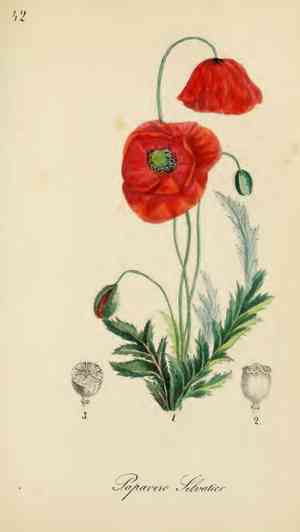
Indigenous to California, tufted poppy is a perennial plant featuring impressive blossoms that appear in spring and summer. Trimming tufted poppy entails removing faded flowers to encourage ongoing blooming and sustain the plant's vitality. Reduce the foliage once flowering concludes, usually in late summer or autumn, to neaten the plant and foster a dense growth pattern. Although tufted poppy is robust, judicious elimination of diseased or overly long stems enhances its general well-being and look without prompting excessive development.
What Are the Benefits of Pruning Tufted Poppy?
What Are the Benefits of Pruning Tufted Poppy?
Trimming tufted poppy promotes strong development and maintains its attractive form. By carefully removing parts of the plant, you can encourage a more robust and organized structure, ensuring tufted poppy flourishes and displays its full beauty.
What Is the Best Time for Pruning Tufted Poppy?
What Is the Best Time for Pruning Tufted Poppy?
Pruning in Late Spring is ideal for tufted poppy as it aligns with the period after flowering when the plant begins to produce seeds. Trimming at this time can help stimulate a second bloom and preserve the plant's shape. Early Summer is also suitable for light trimming to remove faded flowers and keep tufted poppy appealing, preventing excessive self-seeding if not desired. Pruning in Fall is not recommended as the plant prepares for dormancy, and removing growth can weaken it before its resting phase.
What Tools Do I Need to Prune Tufted Poppy?
Bypass Pruners
For the delicate stems of tufted poppy, bypass pruners are perfect. They provide a clean cut that helps prevent disease and are excellent for precise cuts without harming the plant.
Sharp Scissors
If preferred by the gardener, sharp scissors can also be appropriate for trimming the thin leaves of tufted poppy. Scissors allow for careful pruning and are easy to maneuver around the plant's low-growing habit.
Gardening Gloves
While not a pruning tool specifically, gardening gloves are crucial when handling tufted poppy to protect the gardener's hands from cuts and offer a better grip on tools.
How to Prune Tufted Poppy
Clean Tools
Before starting, ensure all pruning tools are clean and sharp to prevent disease spread and make precise cuts.
Identify Withered
Locate withered or dead leaves on tufted poppy, which are typically dry, discolored, and lack vitality.
Cut Withered
Using your pruning shears, snip the withered leaves at their base, close to the main stem, avoiding damage to healthy tissue.
Dispose Withered
Carefully discard the removed withered leaves to prevent potential disease transmission that could affect tufted poppy.
Monitor Plant
After pruning, observe tufted poppy over the subsequent days to ensure it remains healthy and shows signs of new growth.
Common Pruning Mistakes with Tufted Poppy
Overpruning
A common error is removing too much foliage from tufted poppy, which can weaken the plant and reduce flowering. It's vital to avoid cutting off more than one-third of the plant in any single pruning session.
Ignoring Deadheading
Failing to deadhead, or remove spent flowers from tufted poppy, can lead to fewer blooms as the plant prioritizes seed production over new flowers.
Pruning Healthy Growth
Cutting away healthy flowers and leaves instead of only the dead or dying material can hinder the overall growth and vigor of tufted poppy, as well as negatively impact its appearance.
Using Dull Tools
Employing dull or dirty pruning shears can cause damage to tufted poppy by tearing stems and foliage, which can lead to disease or pest infestations.
Incorrect Technique
Improper cutting technique, such as making jagged cuts or cutting too close to the main stem, may harm tufted poppy and impede proper healing and regrowth.
Common Pruning Tips for Tufted Poppy
Clean And Sharp Tools
Always use clean, sharp tools to ensure precise cuts and to minimize the risk of transmitting diseases to tufted poppy.
Selective Deadheading
Regularly remove spent blooms to encourage tufted poppy to produce more flowers. Make cuts just above the leaf nodes or basal foliage.
Pruning For Shape
Prune tufted poppy to maintain its shape and density, which promotes air circulation and can help prevent disease. However, take care not to over-prune.
Removing Unhealthy Tissue
Focus on removing dead or dying tissue to redirect tufted poppy's energy back into producing healthy growth and blooms.
Consider Plant'S Life Cycle
Take into account tufted poppy's natural growth patterns and life cycle, and prune accordingly to support its health and flowering potential without interfering with its development.



