
Tufted poppy (Eschscholzia caespitosa)
Also known as: Foothill poppy
Tufted poppy (Eschscholzia caespitosa) is a perennial herb indigenous to the Western United States. The plant boasts clumps of green foliage and vivid flowers in shades of orange, red, or yellow. It produces small, black-coated seeds. Ideal for container gardening or backyard plots, tufted poppy flourishes in full sunlight and well-drained, sandy or rocky soils. It is drought-tolerant and best suited to USDA hardiness zones 8-10.
In This Article
Attributes of Tufted poppy
Lifespan
Annual, Biennial, Perennial
Plant Type
Herb
Plant Height
30 cm
Spread
30 cm
Leaf Color
Green Gray
Flower Size
2 cm to 5 cm
Flower Color
Yellow
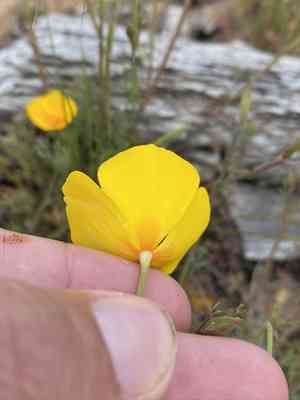
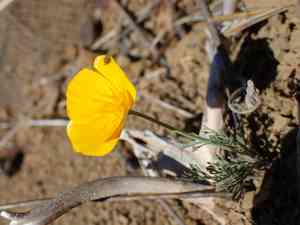
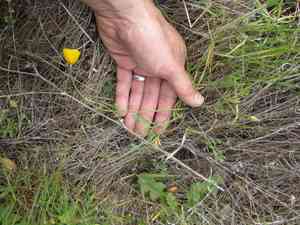
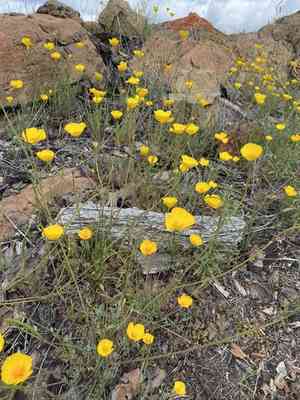
Images of Tufted poppy
Quickly Identify Tufted poppy
1
To identify Eschscholzia caespitosa, look for a low-growing, tufted plant with finely divided, fern-like leaves. Flowers are bright yellow or orange, cup-shaped, and typically about 1-2 inches in diameter.
Scientific Classification of Tufted poppy
Phylum
Vascular plants
Class
Dicotyledons
Order
Ranunculales
Family
Poppy
Genus
Golden poppies
Species
Tufted poppy
Planting and Growing of Tufted poppy
Care Difficulty
Easy
Watering Schedule
Every 2 days
Sunlight Requirements
Full sun
Sunshine Duration
6-10 hours
Ideal Temperature
50-75℉
Soil Type
Potting Mix, Peat Mix
Soil pH
6.5-7.5
Fertilizer Type
Balanced
Pruning Season
Spring, Summer
Pruning Area
Branches, Leaves
Pruning Frequency
2 times a year
Repotting Season
Spring
Pot Type
Plastic, Ceramic
 How to Water Tufted poppy?
For Eschscholzia caespitosa, ensure the soil is moderately moist but never waterlogged; about 100 milliliters per watering should suffice. The principle here is to mimic its natural habitat, allowing the soil to dry out between waterings without letting it become entirely parched. Always aim to water deeply enough to reach the root zone, creating an optimal balance for the plant's happiness.
What are the symptoms of an underwatered Tufted poppy?
›
What should I do if my Tufted poppy is not getting enough water?
›
What are the symptoms of an overwatered Tufted poppy?
›
How to save an overwatered Tufted poppy?
›
 What Are the Sunlight Requirements for Tufted poppy?
Eschscholzia caespitosa ideally needs full sun exposure. Having enough sunlight ensures vibrant growth and prolific flowering, making your garden filled with its golden blooms.
More About Sunlight Requirements Techniques→
How much light does Eschscholzia caespitosa need?
›
What if full sun is not available?
›
Why is sunlight important for Eschscholzia caespitosa?
›
 What Is the Ideal Temperature Range for Tufted poppy?
For Eschscholzia caespitosa, also known as the tufted poppy, the ideal temperature range for optimal growth lies between 50°F and 75°F. Within this range, the plant can photosynthesize efficiently, maintain healthy growth patterns, and produce vibrant flowers. These mild conditions replicate its native habitat in California, where the climate is temperate and favorable for such species.
 What Soil is Best for Tufted poppy?
Eschscholzia caespitosa thrives in well-drained soil, preventing root rot by ensuring excess water doesn't linger. Well-drained soil aerates roots effectively, nurturing robust plant growth. This plant prefers soil with moderate nutrient levels, ensuring balanced growth. Too much or too little nutrition can impact blooming, so a soil with stable nutrient content creates optimal flowering conditions. Warm soil is crucial for Eschscholzia caespitosa, as it promotes rapid seed germination and boosts early growth. Planting in warm soil conditions can significantly enhance development speed and flower production.
 How to Fertilize Tufted poppy?
For Eschscholzia caespitosa, use a balanced diluted liquid fertilizer at half strength to avoid nutrient burn. This delicate plant benefits from light feeding, ensuring it receives essential nutrients without overwhelming its roots. It's important to monitor any adjustments, as its sandy soil preference naturally provides moderate nourishment.
 How to Prune Tufted poppy?
Regularly remove faded flowers of Eschscholzia caespitosa by pinching them off with your fingers or using a small pair of scissors. This will encourage more blooms and maintain a tidy appearance throughout its flowering season. If the plant becomes too bushy or untidy, gently trim back the outer stems. Cut just above a leaf node to encourage bushier growth, keeping the plant compact and vibrant.
More About Pruning Techniques→
 How to Propagate Tufted poppy plant?
1
Collect seeds from mature Eschscholzia caespitosa plants after the seed pods have dried but before they split. Soak them in water for 24 hours to enhance germination rates by softening the seed coat.
2
Sow the seeds shallowly in a seed tray filled with potting mix. Lightly cover them with a thin layer of soil, as light can aid in germination. Maintain a warm temperature and ensure the medium remains moist.
3
Once seedlings have developed several true leaves, carefully transplant them into individual pots or directly into the garden. Acclimate them to outdoor conditions if they were started indoors, moving them outside gradually.
 How to Repot Tufted poppy plant?
1
Look for signs like roots poking out of the drainage holes or the plant's growth slowing down. These are indicators that your Eschscholzia caespitosa needs more space. The ideal time to change pots is during active growth periods in the spring or early summer.
2
Pick a pot that is one size larger than the current one, with appropriate drainage holes. A slightly bigger pot prevents root rot and provides enough room for root expansion, ensuring the plant can thrive without waterlogging issues.
3
It’s essential to use a well-draining sandy mix. This kind of soil prevents water retention, which can cause root rot, and mimics the plant’s natural environment, promoting healthier growth and vibrant blooms.



