How to Prune Dwarf erythrina?
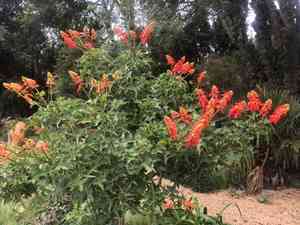
The dwarf erythrina, recognized for its vivid crimson blossoms and dense form, flourishes with consistent trimming. The ideal period for pruning is early spring, aligning with its natural development phase. Concentrate on eliminating deceased or compromised limbs to stimulate robust new development. Cut back any elongated or excessively grown stems to preserve the plant's condensed structure. Periodic pruning boosts floral output and general plant vitality. Always employ sanitized, keen implements to avert the spread of pathogens.
Advantages of Trimming Dwarf Erythrina
Advantages of Trimming Dwarf Erythrina
Dwarf erythrina greatly benefits from trimming as it promotes robust development and maintains its form. Consistent trimming also aids in managing its size and fostering a healthy framework, enhancing the plant's overall look and resilience.
Optimal Time for Trimming Dwarf Erythrina
Optimal Time for Trimming Dwarf Erythrina
Trimming dwarf erythrina in early spring is perfect because it aligns with the start of the plant's active growth phase. By trimming at this time, the plant can recover quickly as it enters its most vigorous growth period. Additionally, early spring trimming helps eliminate any winter damage and shapes the plant before the blooming season, ensuring healthier flowers. This timing reduces the risk of disease and pest infestation, which can be more common in warmer periods.
Tools Required for Trimming Dwarf Erythrina
Hand Pruners
Perfect for small branches and precise cuts. These are vital for maintaining shape and encouraging healthy growth, especially for young or delicate parts of dwarf erythrina.
Loppers
Useful for cutting thicker branches that hand pruners cannot handle. Dwarf erythrina can develop thicker stems that require more significant force for effective trimming.
Pruning Saw
Essential for very thick branches that loppers cannot manage. This tool helps ensure clean cuts, reducing disease risk and promoting proper healing in dwarf erythrina.
Bypass Pruners
Preferred for green, living branches as they create clean cuts. These are crucial for minimizing the risk of crushing stems, which can be a concern with dwarf erythrina.
Hedge Shears
Beneficial for shaping and maintaining the overall appearance. These are particularly advantageous for dwarf erythrina given its tendency for bushy growth patterns.
Pole Pruners
Important for reaching higher or hard-to-access branches. This tool is helpful for large specimens of dwarf erythrina, making it easier to maintain these areas safely.
How to Trim Dwarf Erythrina
Identify
Examine dwarf erythrina for any diseased leaves, withered leaves, and dead or diseased branches. These will be the primary focus for trimming to preserve the plant's health.
Preparation
Sanitize your trimming tools with a solution of one part bleach to nine parts water to prevent disease spread. Ensure tools are sharp for clean cuts.
Trim
Begin by removing any diseased leaves and withered leaves. Cut these off at the base where they connect to the main stem, ensuring a clean cut to prevent further harm.
Remove branches
Cut away dead branches and any branches showing signs of disease. Make the cut just above a healthy node or branch junction to encourage new growth and prevent die-back.
Disposal
Properly dispose of all removed plant material. Burn or discard the diseased leaves and branches to prevent any potential spread of pathogens.
Common Trimming Errors with Dwarf Erythrina
Over-pruning
Removing too much foliage can stress dwarf erythrina and hinder its growth and flowering. Aim to remove no more than a third of the plant at any one time.
Pruning at wrong angle
Incorrect angle cuts can harm the plant. Ensure cuts are made at a 45-degree angle to prevent water from accumulating on cut surfaces, which can cause rot.
Using blunt tools
Dull tools tear plant tissue instead of making clean cuts, leading to potential infection. Always use sharp, clean trimming shears.
Ignoring diseased or dead wood
Failing to remove dead or diseased branches can cause further health issues. It's crucial to cut these parts out to promote overall plant vitality.
Pruning without a plan
Random or inconsistent trimming can make dwarf erythrina look misshapen and lead to unbalanced growth. Always trim with a clear strategy in mind.
General Trimming Advice for Dwarf Erythrina
Assess plant health
Before starting, evaluate dwarf erythrina for any signs of disease or damage. Remove any unhealthy parts first to prevent spread.
Make clean cuts
Ensure every cut is clean and smooth, which promotes faster healing. A clean cut is less likely to become infected.
Maintain shape
Shape dwarf erythrina based on its natural form to ensure balanced growth. Focus on creating an open structure that allows light and air to penetrate through the branches.
Remove suckers
Remove any suckers that grow from the base of dwarf erythrina as these can divert energy away from the main plant.
Stay consistent
Regular, small trimming sessions throughout the year are better than infrequent heavy trimming. Consistency helps in maintaining health and appearance.



