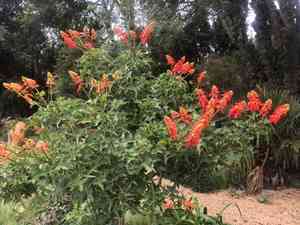
Dwarf erythrina (Erythrina humeana)
Also known as: Natal coral tree
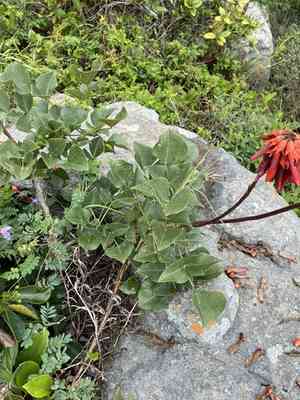
The deciduous shrub you're referring to is the Dwarf Erythrina (Erythrina herbacea). This plant is known for its vivid red, pea-shaped flowers that bloom in clusters, drawing in numerous pollinators. It features broad, green trifoliate leaves that create a lush setting for the blossoms. Well-suited to warmer climates, the Dwarf Erythrina attracts birds with its nectar and its thorny stems protect it from grazing animals, aiding in its survival and spread.
In This Article
Attributes of Dwarf erythrina
Lifespan
Perennial
Plant Type
Shrub
Plant Height
12 m
Spread
12 m
Leaf Color
Green
Flower Size
3-5 centimeters
Flower Color
Red
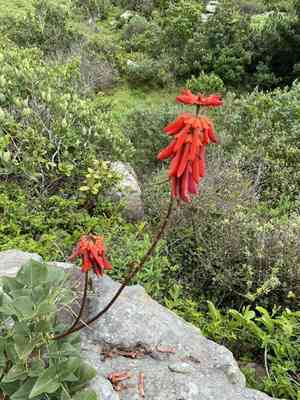
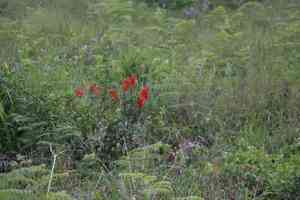
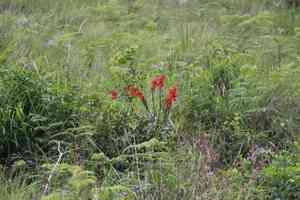
Images of Dwarf erythrina
Quickly Identify Dwarf erythrina
1
Deciduous tree reaching up to 30 feet (9 meters) in height.
2
Vivid orange-red flowers on extended stalks in late summer to fall.
3
Leaves susceptible to sooty mold, developing blackish-gray discoloration.
4
Thrives in full sun, tolerates temperatures as low as 25°F (-4°C).
5
Benefits from deep, occasional watering for optimal growth.
Scientific Classification of Dwarf erythrina
Phylum
Vascular plants
Class
Dicotyledons
Order
Fabales
Family
Legume
Genus
Coral trees
Species
Dwarf erythrina
Planting and Growing of Dwarf erythrina
Care Difficulty
Moderate
Watering Schedule
Every 2 days
Sunlight Requirements
Full sun
Sunshine Duration
6-10 hours
Ideal Temperature
65-75℉
Soil Type
Potting Mix, Peat Mix
Soil pH
6.5-7.5
Fertilizer Type
Balanced
Pruning Season
Spring, Summer
Pruning Area
Branches, Leaves
Pruning Frequency
2 times a year
Repotting Season
Spring
Pot Type
Plastic, Ceramic
 How to Water Dwarf erythrina?
Erythrina humeana prefers a consistent watering regime where the soil is moistened thoroughly but not waterlogged. Ensure the top inch of soil dries out between watering to keep roots healthy.
What are the symptoms of an underwatered Dwarf erythrina?
›
What should I do if my Dwarf erythrina is not getting enough water?
›
What are the symptoms of an overwatered Dwarf erythrina?
›
How to save an overwatered Dwarf erythrina?
›
 What Are the Sunlight Requirements for Dwarf erythrina?
Erythrina humeana flourishes under full sun to partial sun conditions, where it can receive 6 to 8 hours of sunlight, which supports robust growth and spectacular flower display.
What is the best location for Erythrina humeana?
›
How can I achieve optimal lighting for this plant indoors?
›
What benefits does Erythrina humeana gain from ideal lighting?
›
 What Is the Ideal Temperature Range for Dwarf erythrina?
The ideal temperature range for Erythrina humeana is between 65 and 75 degrees Fahrenheit. This range promotes optimal growth and flowering while preventing thermal stress. Warm conditions similar to their native climate will ensure a healthy plant.
 What Soil is Best for Dwarf erythrina?
Erythrina humeana thrives in well-draining soil, which ensures that water does not pool around its roots, preventing root rot and promoting healthy growth. This characteristic is essential for the plant's vitality, allowing for proper oxygen circulation and supporting robust development. This plant prefers soil enriched with organic matter, which provides essential nutrients for growth. Adequate nutrition ensures vibrant foliage and sustained blooming, making nutrient-rich amendments a vital component of its soil conditions. While it requires well-drained soil, the Erythrina humeana also benefits from moderate moisture retention, maintaining consistent hydration without waterlogging. This balance helps the plant remain lush and green during dry periods.
 How to Fertilize Dwarf erythrina?
For Erythrina humeana, proper fertilization is essential for its growth and flowering. It is recommended to use a balanced liquid fertilizer, diluted to half the recommended strength. Apply approximately 500ml per plant per application. For slow-release fertilizers, use around 100g per plant per application annually.
 How to Prune Dwarf erythrina?
Begin by removing any dead or diseased branches, as they can drain the plant's energy and spread infections. Make cuts just above the bud at a 45-degree angle to promote natural healing. When pruning for shape, step back frequently to assess the symmetry of the canopy. Aim for an open structure that allows sunlight to penetrate the entire plant, which encourages healthier growth.
More About Pruning Techniques→
 How to Propagate Dwarf erythrina plant?
1
Soak seeds in warm water overnight to break dormancy. This improves germination rates by softening the seed coat and helps the embryo inside to start its growth.
2
Fill a seed tray with well-draining soil and plant the seeds approximately 1 inch deep. Ensure they are spaced adequately to prevent overcrowding and promote healthy growth.
3
Choose a healthy stem to cut below a node, ideally in the morning. Remove the lower leaves and immerse the cut end in rooting hormone to stimulate root development.
 How to Repot Dwarf erythrina plant?
1
Erythrina humeana generally signals the need for repotting when its roots start circling the pot's interior or growing out of drainage holes. Another clear indicator is if the soil dries out too quickly after watering. Repotting is best done during spring or summer, as these seasons support active growth, ensuring a smoother transition and recovery for your plant.
2
Opt for a pot that is one size larger than the current one, ensuring it has adequate drainage holes. A slightly bigger pot gives the roots room to spread comfortably without overwhelming the plant with too much soil, which could lead to waterlogging. The material of the pot can impact moisture retention, but terracotta is a common choice for its breathability.
3
Use a well-draining potting mix to replicate the plant's natural habitat, often enriched with perlite or sand. Good drainage prevents water accumulation, which can harm the roots. This type of soil ensures the roots are kept in a moist yet breathable environment, providing a healthy growth foundation for Erythrina humeana.
Toxicity
ingestion of seeds or other plant parts
WARNING
The judgment on toxicity and danger is for reference only. We DO NOT GUARANTEE any accuracy of such judgment. Therefore, you SHALL NOT rely on such judgment. It is IMPORTANT TO SEEK PROFESSIONAL ADVICE in advance when necessary.
Learn More About Dwarf erythrina Diseases
Anthracnose
Bacterial Leaf Spot
Bacterial Soft Rot
Bacterial Wilt
Black Spot
Chemical Injury
Crown Gall
Damping-off
Downy Mildew
Drought Stress
Fusarium Wilt
Gray Mold
Leaf Curl
Leaf Spot
Mosaic
Nutrient Deficiency
Nutrient Toxicity
Powdery Mildew
Root Rot
Root-knot Nematode
Rusts
Sooty Mold
Spider Mites
Temperature Stress
Thrips Damage
White Mold



