How to Propagate Dwarf erythrina?
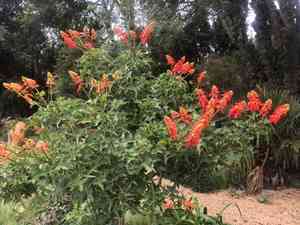
The dwarf erythrina, a lively flowering bush, is recognized for its impressive crimson blossoms and is frequently grown for decorative reasons. For propagation, utilize semi-hardwood cuttings, which establish roots most effectively when harvested from robust shoots. Verify that each cutting possesses multiple nodes, and insert it into a substrate that drains efficiently. Sustain elevated humidity and steady dampness to achieve successful root development. Adhering to these actionable recommendations guarantees successful propagation.
Optimal Time for Dwarf Erythrina Propagation
Propagation Method
Cutting
Propagation Period
Spring,Summer
Tools for Dwarf Erythrina Propagation
Pruning Shears
Pruning shears are vital for taking clean, precise cuttings from dwarf erythrina. High-quality, sharp shears prevent tissue damage, crucial for successful rooting.
Rooting Hormone
Rooting hormone aids in accelerating root development for dwarf erythrina cuttings. It contains growth hormones that stimulate root formation and boost propagation success rates.
Sterile Medium
A sterile medium, such as a perlite and peat blend, offers a disease-free environment for dwarf erythrina cuttings to root. Sterility prevents infections and encourages robust growth.
Propagation Trays
Propagation trays help organize cuttings and provide a controlled setting for root development. Trays with humidity domes are especially beneficial for maintaining moisture levels, important for dwarf erythrina.
Heating Mat
A heating mat provides consistent warmth from below to encourage root formation. Maintaining an ideal temperature helps stimulate root growth in dwarf erythrina cuttings.
Spray Bottle
A spray bottle is useful for misting dwarf erythrina cuttings to maintain humidity without overwatering. Proper hydration is essential during early propagation to prevent drying out.
Labeling Tags
Labeling tags help track different cuttings and propagation dates. Monitoring dwarf erythrina progress and maintaining accurate records is important for optimal care.
Disinfectant Solution
Disinfectant solutions are necessary for regularly cleaning tools to prevent pathogen spread. Sanitizing all tools before use reduces disease risk for dwarf erythrina cuttings.
Propagating Dwarf Erythrina
Propagation Difficulty
Moderately Difficult
Caring for Your Newly Propagated Dwarf Erythrina
Caring for Your Newly Propagated Dwarf Erythrina
After successful rooting, transplant dwarf erythrina into well-draining soil in a sunny spot. Water regularly during the growing season, but allow the soil to dry between waterings to prevent root rot. Fertilize with a balanced, slow-release product to encourage healthy growth. Prune dead or weak branches to promote a dense, bushy habit. Monitor for pests and diseases, treating promptly to maintain plant health.
Common Propagation Errors for Dwarf Erythrina
Insufficient Watering
Failure to provide adequate moisture can cause cuttings or seedlings to dry out before rooting, leading to failed propagation attempts.
Poor Soil Quality
Using soil that is too dense or lacks essential nutrients can impede root development and growth.
Incorrect Cutting Techniques
Employing improper methods for cutting stems can damage plant tissue and reduce the likelihood of successful rooting.
Overwatering
Excessive water can lead to root rot and other fungal issues, negatively impacting the health and establishment of new plants.
Lack of Light
Insufficient light can slow down photosynthesis, which is crucial for the plant's growth and energy.
Dwarf Erythrina Propagation Tips
Consistent Moisture
Ensure the soil remains consistently moist but not waterlogged to promote healthy root development.
Well-draining Soil
Use soil that drains well and is rich in organic matter to provide a suitable environment for root growth.
Sharp and Sterile Tools
Use clean and sharp tools for making cuttings to avoid damaging the plant and reduce the risk of infection.
Proper Spacing
Ensure adequate spacing for air circulation and prevent overcrowding, which can cause fungal infections and inhibit growth.
Ample Indirect Light
Place the cuttings or seedlings in a location with plenty of indirect light to support photosynthesis and healthy growth.



