How to Prune Coralbean?
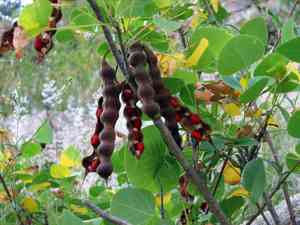
Erythrina herbacea is a unique specimen featuring brilliant crimson blossoms. Perform trimming in early spring prior to the emergence of new shoots. Eliminate any deceased or compromised limbs, sculpt the plant to facilitate air circulation, and manage its dimensions. This practice fosters more robust development and a greater profusion of blooms. Utilize sanitized, keen implements to avert the dissemination of pathogens. Appropriate pruning elevates its visual charm and contributes to extended longevity.
What Are the Benefits of Pruning Coralbean?
What Are the Benefits of Pruning Coralbean?
Pruning Coralbean encourages robust development and helps maintain its form. This is crucial for managing size, enhancing visual appeal, and supporting abundant blooms, ensuring a strong and attractive plant.
What Is the Best Time for Pruning Coralbean?
What Is the Best Time for Pruning Coralbean?
Early spring is the optimal period to prune coralbean, allowing the plant to recover and direct energy towards new growth as the season begins. Pruning at this time helps refine coralbean's natural shape and removes any dead, damaged, or diseased branches before active growth. Furthermore, early spring pruning minimizes disruption to flowering or fruiting cycles, promoting a healthier, more vigorous plant.
What Tools Do I Need to Prune Coralbean?
Bypass Pruners
Perfect for making clean cuts on living wood without crushing plant tissue, vital for coralbean's health and appearance.
Loppers
Useful for cutting thicker branches up to 2 inches in diameter, which coralbean might develop. Their long handles provide leverage for easier cutting.
Pruning Saw
Essential for removing larger branches that loppers cannot handle. Coralbean may grow substantial limbs requiring a sharp, durable saw for clean cuts.
Pole Pruner
Helpful for reaching elevated branches without a ladder, ensuring safe pruning of coralbean's tall, shrub-like growth habits.
Hand Pruners
Useful for precise trimming of smaller shoots and stems, maintaining the plant's aesthetics and encouraging healthy growth.
How to Prune Coralbean
Inspect
Examine coralbean thoroughly to identify diseased foliage, withered leaves, dead branches, and infected branches that require removal.
Sanitize
Disinfect pruning shears or scissors with a solution of one part bleach to nine parts water to prevent disease transmission.
Trim diseased leaves
Remove any diseased leaves by cutting at the base where the leaf meets the stem to ensure complete elimination of the infected part.
Remove withered leaves
Clip away withered leaves close to the base or stem, making a clean cut to encourage healthy growth.
Cut dead diseased branches
Cut back dead and diseased branches to the nearest healthy section of the branch or the main stem. Ensure cuts are clean to avoid creating entry points for pathogens.
Common Pruning Mistakes with Coralbean
Over-pruning
One of the most frequent errors is removing too much of the plant. This can stress coralbean and hinder its ability to flower and grow healthily.
Improper cuts
Using dull or unsuitable tools can create jagged cuts, leading to potential entry points for disease.
Removing too many branches at once
Eliminating a significant portion of branches simultaneously can shock the plant and impede its growth.
Pruning at the wrong nodes
Cutting at an incorrect spot on the branch may result in unattractive growth patterns or damage to the plantâs vascular system.
Common Pruning Tips for Coralbean
Use sharp, clean tools
Always use sharp and sterilized pruning tools to ensure clean cuts and minimize the risk of disease.
Make angled cuts
Ensure cuts are made at a slight angle to prevent water from pooling on the cut surface, which can lead to rot.
Space out the pruning
Gradually prune over several sessions rather than doing it all at once. This helps coralbean to adapt and reduces stress on the plant.
Focus on removing dead or diseased wood
Prioritize cutting away any dead or diseased branches to keep the plant healthy and vigorous.
Thin out crowded areas
If branches are densely packed, selectively thinning them can improve air circulation and light penetration, promoting overall plant health.



