How to Propagate Coralbean?
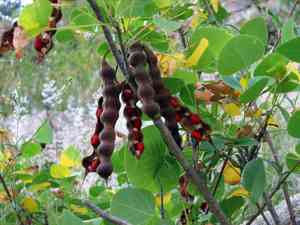
Erythrina thrives in permeable soil and direct sunlight, making it ideal for drought-tolerant landscaping. To propagate, utilize semi-hardwood cuttings, ensuring each includes a growth node. Immerse the cuttings in rooting compound and place them in a blend of sand and perlite. Keep the medium uniformly damp, but prevent saturation. This resilient specimen is recognized for its vivid crimson flowers, drawing in beneficial insects and contributing a distinctive element to outdoor spaces.
What Is the Best Time To Propagate Coralbean?
Propagation Type
Cutting
Propagation Season
Spring,Summer
What Tools Are Used in Coralbean Propagation?
Sterile Pruning Shears
These are vital for taking precise coralbean cuttings without harming the plant. Sterilization minimizes disease transmission risk.
Rooting Hormone
This powder or gel encourages root development on cuttings, boosting coralbean propagation success. It aids faster root establishment.
Propagation Trays
Used to hold and arrange coralbean cuttings, these trays ensure proper drainage and prevent waterlogging, crucial for root growth.
Humidity Dome
Covers propagation trays to maintain high humidity, essential for coralbean cuttings until they root and absorb water independently.
Sharp Knife or Scalpel
For making clean cuts in delicate coralbean tissues, ensuring minimal damage and promoting quicker healing and rooting of cuttings.
Misting Bottle
Used to gently mist coralbean cuttings, keeping them moist without waterlogging the soil, which is vital for preventing desiccation.
Heat Mat
Provides consistent bottom warmth to propagation trays, helping to stimulate coralbean root growth, especially in cooler settings.
Pencil or Dibber
For creating planting holes in the growing medium, ensuring coralbean cuttings are planted at the correct depth with minimal root disturbance.
How to Propagate Coralbean?
Propagation Type
Moderately Difficult
How to Care for Your Newly Propagated Coralbean?
How to Care for Your Newly Propagated Coralbean?
Once rooted with new growth, gradually introduce coralbean to its normal environment by removing covers and slowly increasing light. Keep soil consistently moist but not waterlogged. As coralbean matures, provide full sun and water deeply but infrequently, mimicking its natural habitat. Regular pruning encourages bushier growth and more abundant flowering. Protect coralbean from frost by moving container plants indoors or covering outdoor plants during cold periods.
Common Mistakes to Avoid When Propagating Coralbean
Improper Soil Choice
Using poorly draining soil can lead to root rot, decreasing successful propagation chances.
Overwatering
Excessive watering can cause soil saturation and root rot, harming the plant's health.
Insufficient Light
Placing the plant in a dimly lit area can impede growth and reduce successful propagation.
Incorrect Cutting Technique
Using dull or unsterilized cutting tools can damage the plant and introduce diseases.
Neglecting Temperature Requirements
Failing to provide adequate warmth can slow growth and impact the plant's overall health.
Tips For Propagating Coralbean
Well-Draining Soil
Ensure the use of a well-draining soil mix to prevent water accumulation and root rot.
Controlled Watering
Water sparingly and only when the top layer of soil is dry to maintain proper moisture levels without oversaturation.
Adequate Light
Place coralbean in a location that receives plenty of indirect sunlight to support its growth and health.
Proper Cutting Tools
Use sharp, sterilized cutting tools when taking cuttings to minimize damage and prevent disease introduction.
Warm Environment
Maintain a warm environment to encourage healthy growth and successful propagation of coralbean.



