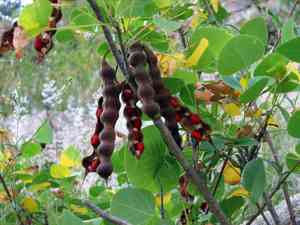
Coralbean (Erythrina flabelliformis)
Also known as: Western coral bean
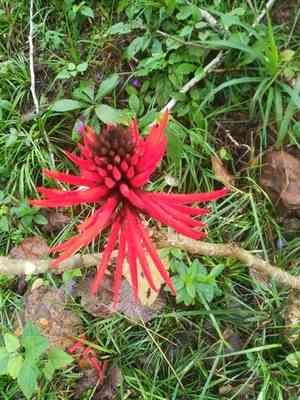
Erythrina flabelliformis, known as the coral bean, is a shrub or small tree reaching up to 3 meters in height. Young stems are white and velvety, adorned with curved prickles approximately 6 mm in length. The plant has trifoliate leaves, with leaflets that are stiff, leathery, and typically wider than they are long.
In This Article
Attributes of Coralbean
Lifespan
Perennial
Plant Type
Shrub
Plant Height
3.5 m to 11 m
Spread
2-4 meters
Leaf Color
Bright Green
Flower Size
2-3 cm
Flower Color
Red
Images of Coralbean
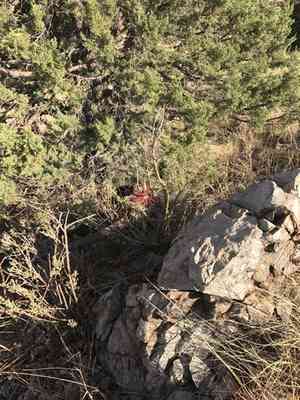
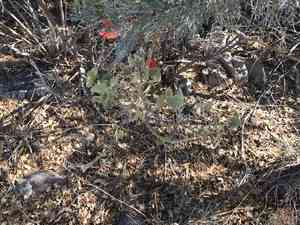
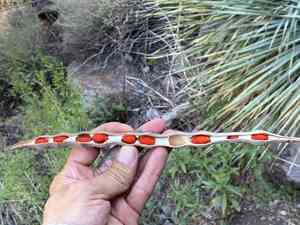
Quickly Identify Coralbean
1
Semi-succulent stature with root and stem swellings
2
Trifoliate leaves with rounded leaflets in a fan shape
3
Distinctive tubular red flowers in late winter to spring
4
Elongated beans with vibrant red seeds in late summer
5
Growth height ranging from 4 to 5 feet (1.2 to 1.5 meters)
Scientific Classification of Coralbean
Phylum
Vascular plants
Class
Dicotyledons
Order
Fabales
Family
Legume
Genus
Coral trees
Species
Coralbean
Planting and Growing of Coralbean
Care Difficulty
Moderate
Watering Schedule
Every day
Sunlight Requirements
Full sun
Sunshine Duration
4-8 hours
Ideal Temperature
68-86℉
Soil Type
Potting Mix, Peat Mix
Soil pH
6.5-7.5
Fertilizer Type
Balanced
Pruning Season
Spring, Summer
Pruning Area
Branches, Leaves
Pruning Frequency
2 times a year
Repotting Season
Spring
Pot Type
Plastic, Ceramic
 How to Water Coralbean?
Erythrina flabelliformis, known as the coral bean, prefers well-drained soil. Water thoroughly until the soil is moist but not waterlogged. This means approximately 500 ml of water is generally sufficient per watering session.
What are the symptoms of an underwatered Coralbean?
›
What should I do if my Coralbean is not getting enough water?
›
What are the symptoms of an overwatered Coralbean?
›
How to save an overwatered Coralbean?
›
 What Are the Sunlight Requirements for Coralbean?
Erythrina flabelliformis thrives best in full sun, meaning exposure to direct sunlight for over six hours is ideal, promoting lush growth and prolific blooming.
What is the ideal amount of sunlight for Erythrina flabelliformis?
›
How can I provide ideal lighting for Erythrina flabelliformis indoors?
›
What are the benefits of providing ideal lighting for Erythrina flabelliformis?
›
 What Is the Ideal Temperature Range for Coralbean?
The ideal temperature range for Erythrina flabelliformis is between 68°F and 86°F. This range allows for optimal growth, ensuring the plant can efficiently photosynthesize and maintain healthy metabolic processes.
 What Soil is Best for Coralbean?
Erythrina flabelliformis thrives in well-drained soil because it prevents waterlogging, which can lead to root rot. This drainage helps the roots to access the oxygen needed for optimal growth and vitality. This plant benefits from loamy soil enriched with organic matter, as it provides essential nutrients. Nutrient-rich substrates support robust plant development, leading to vibrant flowering and foliage. Ensuring soil aeration is crucial for this plant as it allows efficient exchange of gases and encourages healthy root growth. Aerated soil enhances water and nutrient uptake, promoting vigorous plant health.
 How to Fertilize Coralbean?
Erythrina flabelliformis, also known as the coral bean, requires moderate amounts of fertilizer. Utilize a balanced liquid or slow-release fertilizer with an NPK ratio of approximately 10-10-10. For liquid feeds, apply at a diluted rate, generally around half the manufacturer's recommended concentration, ensuring not to over-saturate the soil.
 How to Prune Coralbean?
Use sharp, clean pruners or loppers. It's important to have tools that can make clean cuts without damaging the plant. Disinfect tools with alcohol before use to prevent spreading diseases. Prune during late spring or early summer when blooming is complete. This timing ensures that you do not remove potential flower buds, maximizing bloom potential next season. Start by cutting away any dead, diseased, or damaged branches. This not only helps the plant focus its energy on healthy growth but also opens up air circulation within the canopy. To maintain the desired shape and size, prune the branches back to outward-facing buds. This keeps the plant compact while encouraging a balanced form.
More About Pruning Techniques→
 How to Propagate Coralbean plant?
1
Soak the seeds in warm water for 24 hours to soften the outer coat, which aids in germination. This process helps the seedlings break through their hard shells more easily.
2
Cut 4-6 inch healthy segments from the parent plant. Ensure each cutting has at least two nodes, as these are crucial for root development.
3
Place seeds or cuttings into a soil mix that retains moisture yet allows excess water to drain. This balance prevents root rot while maintaining adequate hydration.
 How to Repot Coralbean plant?
1
Erythrina flabelliformis needs repotting when its roots start to emerge from drainage holes or wrap tightly around the pot interior. This often indicates growth congestion, hindering nutrient absorption. Another signal is reduced blooming, suggesting that the soil nutrients have been depleted and need refreshing. Spring and summer provide ideal conditions for recovery and adaptation to the new pot.
2
Select a pot with adequate drainage holes and a size just a couple of inches larger than the current one. This prevents water from pooling at the roots and allows room for moderate growth without overwhelming the root system. A well-chosen pot reduces the risks of root rot and ensures the plant's vigorous health. Consider using clay pots for enhanced aeration.
3
Opt for a soil mix that is rich yet allows efficient drainage, preventing waterlogging of the roots. A combination of garden loam, peat, and sand can provide the right balance of nutrients and drainage. This will mimic its natural habitat, ensuring the roots get enough aeration while still benefiting from vital nutrients, promoting healthy growth and vibrant flowering.
Toxicity
Ingestion, Contact with skin or mucous membranes
WARNING
The judgment on toxicity and danger is for reference only. We DO NOT GUARANTEE any accuracy of such judgment. Therefore, you SHALL NOT rely on such judgment. It is IMPORTANT TO SEEK PROFESSIONAL ADVICE in advance when necessary.



