How to Prune Western wallflower?
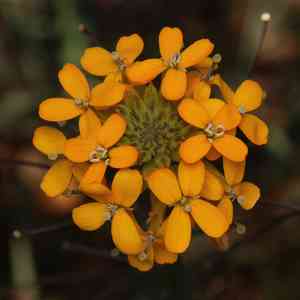
Originating from western North America, Erysimum capitatum is a vivid perennial recognized for its profuse, aromatic blossoms. Trimming should concentrate on removing faded flowers to stimulate ongoing blooming and reducing excessive growth after the flowering period. The most effective pruning occurs from the beginning of spring to the end of autumn, coinciding with periods of active development. Advantages of pruning encompass preserving an appealing form, fostering robust development, and deterring unwanted self-seeding. Caution is advised against severe cutting, as this could impede the plant's floral presentation.
What Are the Benefits of Pruning Western Wallflower?
What Are the Benefits of Pruning Western Wallflower?
Trimming western wallflower promotes abundant flowering, supports strong development, and maintains a compact, attractive form. It's crucial for the plant's vigor and aesthetic appeal.
What Is the Best Time for Pruning Western Wallflower?
What Is the Best Time for Pruning Western Wallflower?
Early spring is optimal for trimming western wallflower, occurring before new growth emerges, allowing the plant to channel energy into fresh, healthy shoots. Pruning in late autumn facilitates the removal of faded flowers and seedheads post-blooming, typically ending in summer, fostering a neat appearance and potentially boosting the subsequent season's growth. These timings prevent cutting during peak flowering to avoid diminishing the plant's display or disrupting pollinators. Furthermore, pruning outside these periods might expose western wallflower to harsh weather, stressing the plant or leading to disease entry from cuts made during wet, vulnerable times.
What Tools Do I Need to Prune Western Wallflower?
Hand Pruners
Ideal for severing stems and branches of western wallflower, typically under 3/4 inch thick. Ergonomic hand pruners offer precision and clean cuts, benefiting plant health.
Pruning Shears
Perfect for shaping and maintaining the desired structure of western wallflower. Shears enable quick snips and are excellent for deadheading and removing spent blooms.
Garden Scissors
Useful for trimming and shaping smaller or delicate parts of western wallflower that require meticulous attention.
Pruning Saw
May be necessary for older, more woody western wallflower specimens where thicker branches have developed that hand pruners cannot manage effectively.
Gloves
Protection is essential to prevent injury from thorns or rough branches while caring for western wallflower. Durable gloves ensure a firm grip on tools and shield hands from scratches.
Loppers
Applicable for reaching into dense foliage and making clean cuts on slightly thicker branches that hand pruners cannot handle.
How to Prune Western Wallflower
Step1: Timing for Pruning
Determine the correct time of year to prune western wallflower, generally late winter or early spring before new growth starts.
Step2: Preparing Pruning Tools
Ready clean, sharp pruning shears to ensure precise cuts and minimize disease risk.
Step3: Trimming Flower Stalks
Begin with the flower stalks, cutting them back to their base where they emerge from the main foliage cluster. This encourages western wallflower to produce more flowers and maintains a neat look.
Step4: Removing Withered Leaves
Inspect western wallflower for withered leaves. These can be removed by gently plucking or cutting them off at the leaf stem's base, improving air circulation and overall plant health.
Step5: Cutting Damaged Stems
Identify any damaged stems, which may appear discolored, dry, or broken. Prune these stems back to a healthy section, ideally just above a leaf node or branching point.
Step6: Shaping the Plant
Shape western wallflower as needed for aesthetic reasons or to manage its size. When shaping, make selective cuts to create a balanced, natural form rather than shearing off large sections.
Step7: Debris Cleanup
Clear all cuttings from around western wallflower, as debris can harbor pests and diseases.
Step8: Post-Prune Care
After pruning, water western wallflower thoroughly, and apply a balanced, slow-release fertilizer to support new growth.
Step9: Ongoing Maintenance
Regularly check western wallflower for signs of pests, diseases, or additional dead material, and prune as necessary throughout the growing season.
Post-Pruning Care for Western Wallflower
Post-Pruning Care for Western Wallflower
Immediately after trimming western wallflower, ensure optimal environmental conditions by placing it in an area with ample sunlight and moderate temperatures. Maintain consistent moisture without overwatering to prevent stress. Apply a balanced, slow-release fertilizer to encourage healthy regrowth. Regularly inspect western wallflower for signs of stress, such as wilting or discoloration, and for infection indicators like unusual spots or pests. At the first sign of trouble, adjust care and consider a mild fungicide or insecticide.
Common Pruning Mistakes with Western Wallflower
Over-Pruning Single Stems Reduces Flowering
Cutting too much from a single stem of western wallflower can cause stress and decrease flowering. It's crucial to avoid heavy pruning at once.
Dull or Dirty Pruning Tools Can Harm Plant
Using dull or unclean tools can injure western wallflower stems and introduce disease. Always use sharp, sanitized shears or scissors.
Shape-Focused Pruning Neglects Plant Health
Pruning for form rather than health can result in a less vigorous western wallflower. The main objective should be to remove dead or weak growth to promote robust plants.
Not Deadheading Affects Future Blooming
Failing to remove spent flowers from western wallflower can lead to reduced future blooming because energy is diverted to seed production instead of new growth.
Pruning Too Close to Main Stem Damages Growth Points
Trimming too near the main stem can harm the plant's growth points, which are vital for western wallflower's continued vitality and flower production.
Common Pruning Tips for Western Wallflower
Thin Dense Areas to Boost Plant Health and Disease Resistance
Focus on thinning out crowded areas of western wallflower to enhance air circulation and light penetration, which lowers disease risk and promotes healthier growth.
Deadhead to Nearest Leaves for Repeat Blooms
Snip off spent flowers down to the closest set of leaves to encourage continuous blooming throughout the growing season.
Remove Dead Stems and Cut Above Buds for Healthy Growth
Identify and remove any dead or diseased stems first, making cuts on healthy tissue just above a bud to foster quick healing and new growth.
Maintain Natural Form and Balance When Shaping Plant
When shaping western wallflower, ensure its natural form is maintained, avoid over-pruning, and aim to create a balanced structure that can support flower development.
Fertilize Post-Pruning for Recovery and Growth
After pruning, apply a balanced, slow-release fertilizer to western wallflower to provide essential nutrients that can help the plant recover and thrive.



