How to Overwinter Western wallflower
1
Western wallflower typically flowers from late spring through early summer.
2
Make sure the soil drains properly to avoid root rot during the colder months.
3
Mulch is crucial for retaining soil moisture and offering protection.
Understanding Western wallflower
Understanding Western wallflower
Before learning how to prepare Western wallflower for winter, it's crucial to grasp its natural environment and growth patterns. This perennial thrives in various conditions but needs special care during colder periods.
Native Habitat and Characteristics
Native Habitat and Characteristics
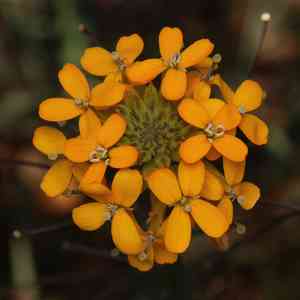
Western wallflower, indigenous to North America, specifically flourishes in well-drained soils and is often found in meadows, prairies, and alongside roads. This plant is cherished for its bright yellow to orange flowers that add vibrant color to gardens.
Growth Cycle and Blooming Season
The Western wallflower follows a growth pattern that begins in early spring, with flowering occurring from late spring to early summer. After blooming, the plant focuses on developing foliage and roots. Understanding this cycle helps in preparing for the overwintering process.
Benefits of Overwintering
Benefits of Overwintering
Winterizing helps shield your Western wallflower from frost damage, ensures its roots remain healthy, and allows it to store energy for the next growing season. This preparation results in a more robust plant with greater blooming potential.
Common Challenges During Winter
During winter, Western wallflower faces several issues such as frost damage, root rot due to poor drainage, and potential pest problems. Addressing these challenges is vital for successful winter protection.
Soil Preparation
Soil Preparation
Ensure the soil drains well to lessen the risk of root rot from excessive moisture. You can amend the soil with sand or perlite to enhance drainage. Elevating beds or mounds where the Western wallflower is planted can also aid water runoff.
Watering Guidelines
As winter approaches, gradually decrease irrigation. The plant needs minimal water during dormancy—overwatering can lead to fungal issues and root rot. Aim to keep the soil slightly damp but not saturated.
Fertilization Tips
Fertilize your Western wallflower in late autumn with a balanced, slow-release fertilizer to provide nutrients throughout the winter months. Avoid high nitrogen fertilizers, which promote leaf growth over root development.
Mulching Techniques
Mulching Techniques
Apply a thick layer of mulch around the plant's base to retain moisture and insulate the soil. Organic materials like straw, leaves, or bark are excellent choices. Aim for a depth of about 7.5-10 cm (3-4 inches).
Using Covers and Cloches
In areas with severe frost, consider using protective covers or cloches. These can shield the Western wallflower from harsh winds and extreme cold, creating a slightly warmer microenvironment.
Indoor Storage Options
For potted Western wallflowers, consider moving them indoors to a cool, well-lit spot such as a garage or basement. Ensure they receive indirect light and minimal water to simulate winter dormancy conditions.
Inspecting for Pests and Diseases
Inspecting for Pests and Diseases
Regularly check your Western wallflower for any signs of pests or diseases. Examine leaves and stems for damage, and treat any infestations promptly using organic or chemical solutions as needed.
Adjusting Care Based on Climate Changes
Be responsive to weather shifts. If unexpected warm spells occur, it might be necessary to remove some mulch or reduce protective coverings temporarily. Conversely, during cold snaps, add extra protection.
Gradual Reintroduction to Outdoor Conditions
Gradual Reintroduction to Outdoor Conditions
Gradually acclimate your Western wallflower to the outdoors by first placing it in a shaded area, then slowly increasing its exposure to sunlight over one to two weeks. This prevents shock from sudden climate changes.
Pruning and Deadheading Tips
Prune any damaged or dead foliage to encourage new growth. Deadheading, or removing spent blooms, helps the plant conserve energy for producing new flowers.
Feeding and Watering After Winter
Resume regular watering, ensuring the soil stays moist but not waterlogged. Feed your Western wallflower with a balanced fertilizer to support its growth and blooming potential throughout the spring and summer.



