How to Prune Coyote-thistle?
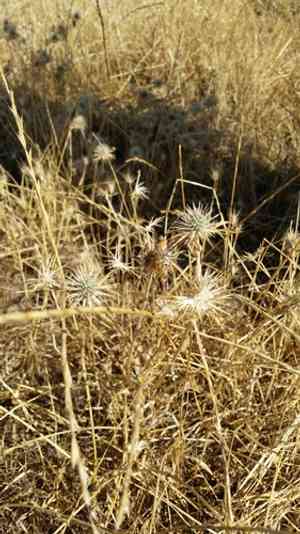
Eryngium is a resilient perennial featuring sharp, bluish-green leaves and spherical blossoms. Trim Eryngium from late winter to early spring to eliminate deceased or compromised stalks, improve airflow, and stimulate fresh development. Make cuts just above the plant's base or healthy growth points. Consistent trimming aids in preserving its form and averts an elongated appearance. Be aware of its dormant period and refrain from pruning in late autumn. Appropriate pruning encourages robust growth and elevates the plant's visual charm.
Advantages of Trimming Coyote-thistle
Advantages of Trimming Coyote-thistle
Trimming coyote-thistle encourages vigorous development and maintains its form. Regular trimming eliminates dead or crowded stems, fostering robust growth and enhancing visual appeal while minimizing pest and disease problems.
Optimal Period for Trimming Coyote-thistle
Optimal Period for Trimming Coyote-thistle
Trimming coyote-thistle in late winter or early spring is ideal as the plant is dormant. During dormancy, coyote-thistle exhibits minimal growth, making it less vulnerable to stress or harm. Pruning at this time allows for faster recovery and lowers the chance of disease spread. Additionally, trimming in these seasons helps shape the plant before the growing season begins, ensuring peak health and a strong flowering period.
Required Tools for Trimming Coyote-thistle
Bypass pruners
Bypass pruners are perfect for precise cuts on live stems without crushing them. Coyote-thistle has delicate stems that need clean cuts to encourage healthy growth.
Pruning shears
Pruning shears are effective for small to medium-sized stems, common in coyote-thistle. They aid in making clean and accurate cuts.
Loppers
Loppers are vital for cutting thicker stems that pruning shears might not manage efficiently. Coyote-thistle can develop thicker stems requiring more leverage for cutting.
Gloves
Wearing gloves will safeguard your hands from the spiny and potentially sharp edges of coyote-thistle's foliage.
Disinfecting solution
Using a disinfecting solution to sanitize your tools before and after trimming coyote-thistle helps prevent disease transmission.
How to Trim Coyote-thistle
Preparation
Gather clean, sanitized pruning shears to prevent disease spread.
Inspection
Examine coyote-thistle for any diseased or withered leaves.
Remove Diseased
Carefully cut away all diseased leaves at the base without harming healthy tissue.
Remove Withered
Eliminate withered leaves by snipping them at the stem, ensuring you avoid healthy parts.
Disposal
Dispose of all trimmed parts far from the garden to prevent any potential spread of disease.
Common Trimming Errors with Coyote-thistle
Excessive trimming
Removing too much foliage can stress coyote-thistle and hinder its growth and flowering capabilities.
Incorrect tool usage
Using dull or dirty trimming tools can damage plant tissue, increasing the risk of infection.
Trimming at improper angles
Cutting stems at awkward angles can lead to poor healing and create entry points for diseases.
Neglecting to clear debris
Leaving trimmed material around the base of coyote-thistle can attract pests and diseases.
Trimming at the wrong time
Although timing specifics are omitted here, knowing the correct periods to avoid trimming is crucial for plant health.
General Trimming Advice for Coyote-thistle
Utilize sharp, clean tools
Always trim with sharp, sterilized tools to ensure clean cuts and reduce the risk of disease.
Follow the natural form
Maintain the natural shape of coyote-thistle by trimming selectively rather than drastically altering its structure.
Remove dead or diseased stems
Regularly cut away any dead, diseased, or damaged stems to promote airflow and healthy growth.
Trim for air circulation
Thin out the interior branches to enhance air circulation, reducing the likelihood of fungal infections.
Cut back selectively
Trim back stems carefully to encourage new growth and more robust flowering, rather than cutting indiscriminately.



