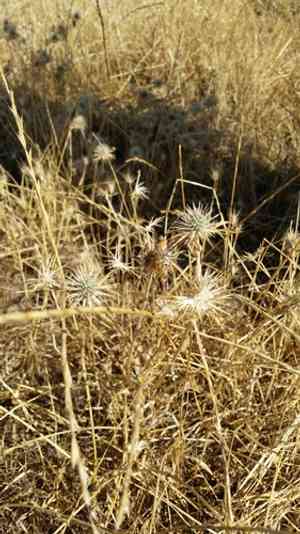
Coyote-thistle (Eryngium vaseyi)
Also known as: Vasey's Eryngo, Vasey's Rattlesnake Master
Eryngium, often referred to as sea holly, is a resilient perennial herb notable for its spiky, thistle-like appearance. It features blue to steel-colored flower heads surrounded by spiny bracts, emerging from a base of rosette leaves. Well-adapted to dry, rocky environments, Eryngium possesses a deep taproot that helps it access underground moisture, enabling it to thrive in harsh conditions. Its unique flowers are not only visually striking but also attract various pollinators, contributing significantly to the local ecosystem.
In This Article
Attributes of Coyote-thistle
Lifespan
Perennial
Plant Type
Herb
Plant Height
30-60 cm
Spread
20-40 cm
Leaf Color
Green to bluish-green
Flower Size
1-2 cm
Flower Color
Bluish-green, occasionally tinged with violet
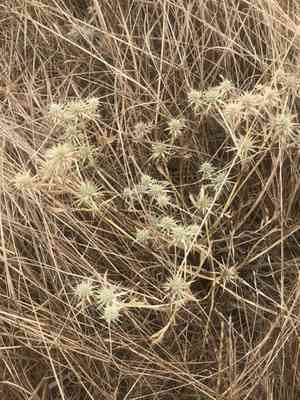
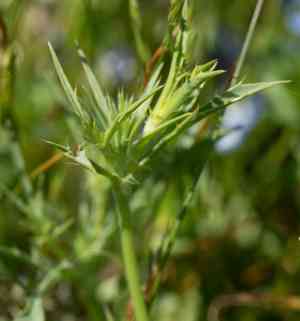
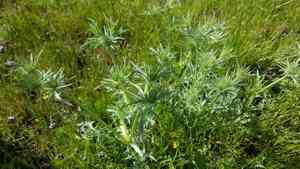
Images of Coyote-thistle
Quickly Identify Coyote-thistle
1
Eryngium vaseyi can be identified by its spiny, deeply lobed leaves and its thistle-like appearance. The plant has bluish-green flowers that form in dense clusters, and its stems are often a distinctive silvery color.
Scientific Classification of Coyote-thistle
Phylum
Vascular plants
Class
Dicotyledons
Order
Apiales
Family
Umbellifers
Genus
Eryngos
Species
Coyote-thistle
Planting and Growing of Coyote-thistle
Care Difficulty
Moderate
Watering Schedule
Every 2 days
Sunlight Requirements
Full sun
Sunshine Duration
6-8 hours
Ideal Temperature
50-77℉
Soil Type
Potting Mix, Peat Mix
Soil pH
6.5-7.5
Fertilizer Type
Balanced
Pruning Season
Spring, Summer
Pruning Area
Branches, Leaves
Pruning Frequency
2 times a year
Repotting Season
Spring
Pot Type
Plastic, Ceramic
 How to Water Coyote-thistle?
Eryngium vaseyi prefers a moderate watering approach. Water it with about 250 milliliters, ensuring the soil is evenly moist but not waterlogged. This plant thrives with a balance; allow the top inch of soil to dry out between waterings to prevent root rot.
What are the symptoms of an underwatered Coyote-thistle?
›
What should I do if my Coyote-thistle is not getting enough water?
›
What are the symptoms of an overwatered Coyote-thistle?
›
How to save an overwatered Coyote-thistle?
›
 What Are the Sunlight Requirements for Coyote-thistle?
Full sun exposure is ideal for Eryngium vaseyi, promoting healthy and robust growth. Adequate light enhances blooming and overall plant vigor.
What type of sunlight is ideal for Eryngium vaseyi?
›
How to achieve ideal sunlight conditions for Eryngium vaseyi?
›
What are the benefits of ideal sunlight for Eryngium vaseyi?
›
 What Is the Ideal Temperature Range for Coyote-thistle?
The ideal temperature range for Eryngium vaseyi is between 50°F to 77°F. This range provides optimal conditions for growth, ensuring that the plant can photosynthesize effectively, while also maintaining adequate moisture and nutrient uptake. At these temperatures, the plant can thrive and display its vibrant foliage.
 What Soil is Best for Coyote-thistle?
Eryngium vaseyi thrives in well-drained soil as it prevents root rot, supporting healthy growth and robust foliage. Well-drained conditions mimic its native habitat and ensure the plant isn't waterlogged. Preferring a pH range of 6.5 to 7.5, Eryngium vaseyi can access essential nutrients efficiently, resulting in vibrant blooms and sturdy structure. Maintaining this pH prevents nutrient lockout and deficiency. This species is adapted to nutrient-poor soils, which reduces the competition from more aggressive plants, allowing Eryngium vaseyi to grow undisturbed. It also minimizes the risk of excessive nutrients causing lush but weak growth.
 How to Fertilize Coyote-thistle?
Eryngium vaseyi benefits from modest feeding. Liquid fertilizers should be diluted to half of the recommended strength to prevent over-fertilization and should be applied to moist soil. For slow-release fertilizers, use about 50 grams per square meter annually.
 How to Prune Coyote-thistle?
When pruning Eryngium vaseyi, start by removing any dead or damaged stems. Cut these down to the base to encourage healthy new growth. Trim back any spent flower stems to maintain a tidy appearance and boost further blooming. Always use sharp, clean pruning shears to ensure clean cuts and minimize plant stress.
More About Pruning Techniques→
 How to Propagate Coyote-thistle plant?
1
Harvest mature seeds from the plant and clean them thoroughly to remove any debris or unwanted material.
2
Select healthy stems from the parent plant and cut them at an angle to increase the rooting surface area.
3
Carefully dig up the plant, separate healthy sections with roots, and transplant them into prepared soil.
 How to Repot Coyote-thistle plant?
1
Repot Eryngium vaseyi when roots outgrow the container or water drainage becomes poor. Spring or early summer is ideal to allow recovery before blooming.
2
Select a pot with drainage holes, slightly larger than the current one, to prevent waterlogging. A terracotta pot is beneficial for breathability and moisture balance.
3
Opt for a well-draining, sandy soil mix with some organic matter. This ensures the roots have ample air circulation, simulating natural growth conditions.
Learn More About Coyote-thistle Diseases
Anthracnose
Bacterial Leaf Spot
Bacterial Soft Rot
Bacterial Wilt
Chemical Injury
Crown Gall
Cyst Nematode
Damping-off
Downy Mildew
Drought Stress
Fusarium Wilt
Gray Mold
Leaf Spot
Mosaic
Nutrient Deficiency
Nutrient Toxicity
Powdery Mildew
Root Rot
Root-knot Nematode
Rusts
Sooty Mold
Spider Mites
Temperature Stress
Thrips Damage
White Mold



