How to Prune Leavenworth's eryngo?
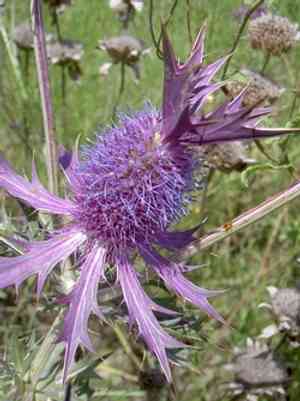
A notable perennial recognized for its conical inflorescences and pointed foliage, leavenworth's eryngo flourishes with infrequent trimming. Essential pruning methods involve removing faded blossoms to encourage subsequent flowering and reducing foliage after blooming to preserve the plant's well-being. The most effective time for pruning spans from spring through autumn, aligning with periods of active development. Consistent trimming aids leavenworth's eryngo by fostering more compact growth and boosting vitality, guaranteeing its unique form continues to be a garden focal point.
What Are the Benefits of Pruning Leavenworth's Eryngo?
What Are the Benefits of Pruning Leavenworth's Eryngo?
Trimming leavenworth's eryngo promotes robust development and helps preserve its distinct form. Strategic cutting back manages size and fosters a denser, healthier structure, ensuring an attractive display.
What Is the Best Time for Pruning Leavenworth's Eryngo?
What Is the Best Time for Pruning Leavenworth's Eryngo?
Pruning leavenworth's eryngo from late Winter to early Spring is optimal, as it precedes the onset of new growth, typically in Spring. Pruning during this period minimizes plant stress and lowers the risk of infection or disease. It also aids in maintaining the plant's shape and encourages vigorous growth and bloom production in the upcoming season. Trimming in Summer or Fall could remove flower buds and diminish the plant's ornamental value. It's crucial not to prune leavenworth's eryngo when the plant is damp or wet, as this can spread disease.
What Tools Do I Need to Prune Leavenworth's Eryngo?
By-pass Pruners
Leavenworth's eryngo is a perennial herb that can produce tough and wiry stems. By-pass pruners provide clean and precise cuts without crushing stem tissues, making them ideal for maintaining the healthy growth of leavenworth's eryngo. The blades should be sharp and well-maintained to handle the thickness of the stems.
Pruning Shears
Pruning shears, especially those with a by-pass cutting action, are suitable for cutting thinner stems and for shaping leavenworth's eryngo. Their smaller size allows for more detailed work, which is beneficial when thinning out crowded stems to improve air circulation.
Gloves
Wearing gloves is essential when pruning leavenworth's eryngo due to its spiny foliage that can cause irritation or injury. They protect the hands and allow for more confident handling of the plant during the pruning process.
How to Prune Leavenworth's Eryngo
Clean tools
Sanitize your pruning shears or scissors to prevent the spread of diseases to leavenworth's eryngo. Wipe the blades with alcohol or a bleach solution before pruning.
Identify withered leaves
Carefully examine leavenworth's eryngo for withered leaves, which are usually dry, brown, and may be crumpled or obviously dead.
Prune withered leaves
Using your sterilized shears, snip off the withered leaves at the base where they meet the stem. Make clean cuts without tearing to avoid unnecessary damage to leavenworth's eryngo.
Dispose trimmed material
Remove all the trimmed withered leaves from the area to prevent any potential disease and pests from affecting leavenworth's eryngo.
Water carefully
After pruning, water leavenworth's eryngo carefully to help it recover. Avoid overwatering, as proper moisture levels can aid in healing and new growth.
Common Pruning Mistakes with Leavenworth's Eryngo
Over-pruning
Removing too much foliage can stress leavenworth's eryngo and hinder its growth. This plant requires minimal pruning, and overdoing it can lead to reduced vigor and fewer flowers.
Under-pruning
Neglecting to remove dead or weak stems can result in a less tidy appearance and may deprive healthy parts of the plant of necessary nutrients and light.
Improper cutting technique
Using dull or unclean tools can damage the stems and potentially introduce disease to leavenworth's eryngo. It's crucial to use sharp, sterilized pruning shears for clean cuts.
Pruning healthy growth
Accidentally cutting back new, healthy growth instead of just the old, dead stems can reduce the plant's flowering potential.
Disregarding plant form
Random or haphazard cuts without considering the natural shape of leavenworth's eryngo can lead to an unattractive and unbalanced plant.
Common Pruning Tips for Leavenworth's Eryngo
Selective pruning
Focus on removing only the dead and damaged stalks, which will help maintain the plant's form and support new growth without compromising its health.
Timing after flowering
Since the leavenworth's eryngo setting is omitted, prune immediately after the blooming has finished to prepare the plant for the next cycle and to prevent unnecessary stress.
Sanitation cuts
To reduce the risk of disease, make sure to clean the cutting instruments before and after use, and avoid pruning in wet conditions.
Preserving natural shape
When pruning leavenworth's eryngo, follow the natural contour of the plant to maintain its structure and aesthetic appeal. This encourages more prolific blooms and healthy growth.
Conservative approach
Because leavenworth's eryngo doesn't require extensive pruning, a conservative approach is best. Aim to remove no more than one-third of the plant, focusing on dead or diseased material.



